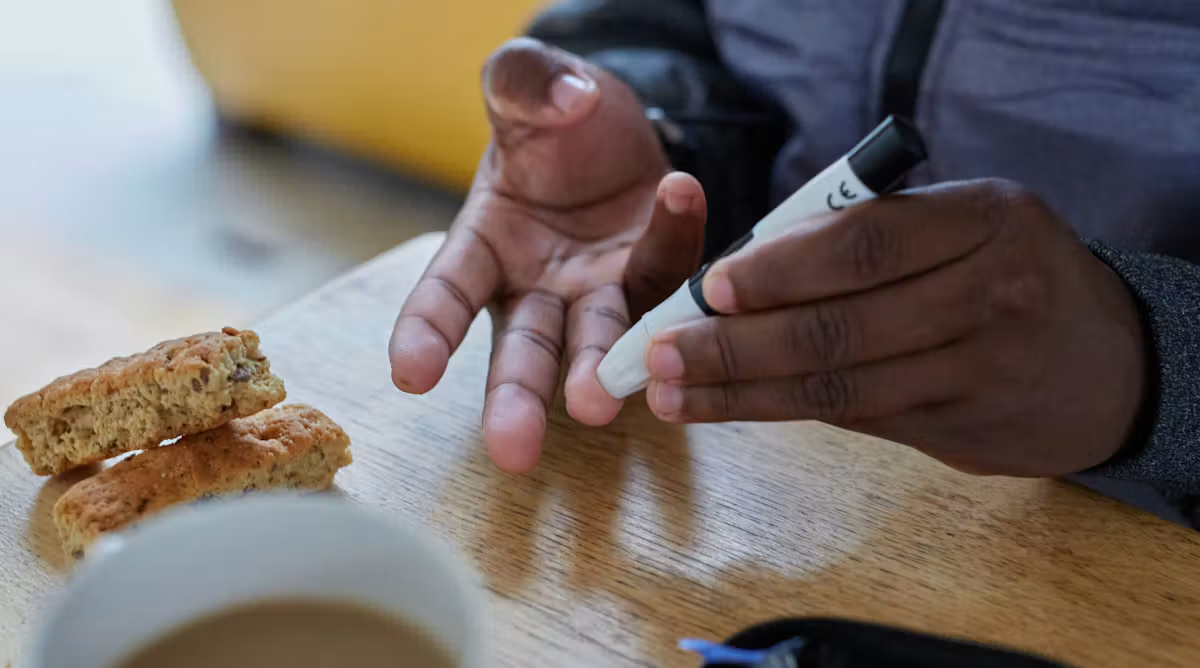
Diabetes kills more people in South Africa than any other disease, yet 60% to 70% of people with diabetes remain undiagnosed, according to the International Federation of Diabetes. The disease often develops without symptoms, allowing high glucose levels to damage blood vessels, nerves, heart and kidneys over years before complications appear.
Many South African communities lack access to routine screening and healthcare. Even where screening exists, it is often inconsistent and only performed on people who already show complications. Point-of-care finger-prick tests are not uniformly available at health facilities.
Four tests diagnose diabetes in South Africa. The oral glucose tolerance test (OGTT) can identify early-stage disease but requires overnight fasting and takes two hours, making it impractical for primary healthcare settings. Random blood glucose tests do not require fasting but produce unreliable results due to food intake variation. Fasting blood glucose requires overnight fasting and variable results often need repeating. Tests for glycated haemoglobin (HbA1c) measure average blood sugar over two to three months without fasting, but the test is expensive, usually performed in laboratories, and not widely available in public clinics. HbA1c results can also be affected by iron deficiency anaemia, chronic kidney disease, and other conditions, making it unreliable across different population groups, particularly in Africa.
Research at the SAMRC/CPUT Cardiometabolic Health Research Unit, led by Glenda Mary Davison and colleagues Saarah FG Davids and Shanel Raghubeer, found that simple measurements such as waist circumference could identify those at risk of developing diabetes. Recent laboratory research identified waist circumference, waist to height ratio and excess abdominal fat as closely associated with insulin resistance and higher type 2 diabetes risk. This measurement could be included in routine community health screening to identify people for further glucose testing, though waist circumference cannot diagnose diabetes itself.
South Africa needs simple, inexpensive screening tools, strong public health campaigns and improved access to diagnostic testing and treatment.