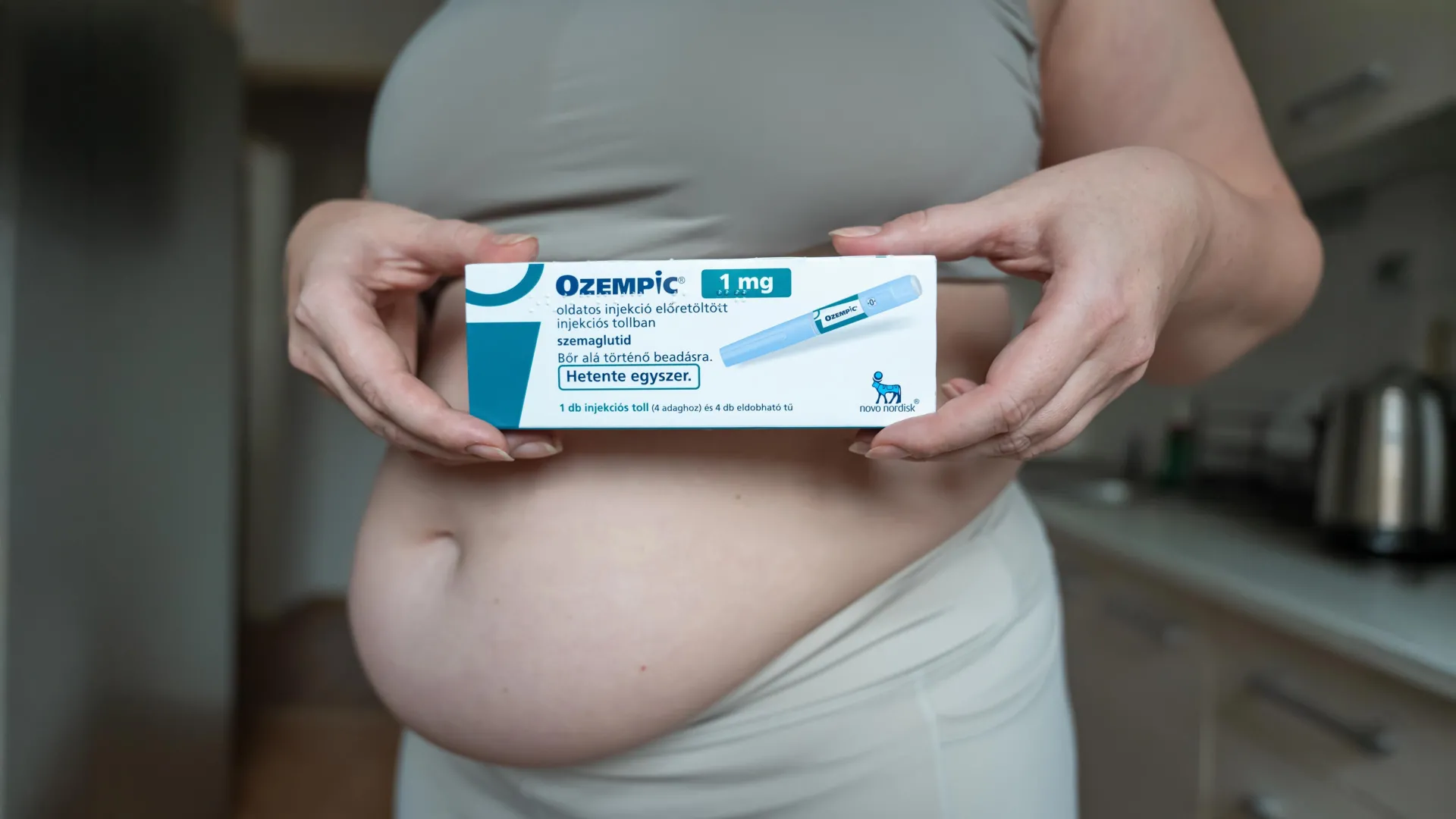
Researchers examined 756,636 pregnancies using Denmark's nationwide health registries to study accidental exposure to GLP-1 receptor agonist medications, which include semaglutide (Ozempic, Wegovy) and liraglutide (Saxenda). The findings appeared in Human Reproduction Open.
Women who accidentally used these drugs shortly before or during early pregnancy showed increased premature birth risk, but only when prescribed for diabetes treatment. Women taking the same medications for weight management showed no significant association with premature birth or other pregnancy complications the study examined.
The analysis included 529 pregnancies with exposure during a 16-week period covering eight weeks before and after the last menstrual period. Researchers accounted for maternal age, BMI, smoking, education, and diabetes status.
Among women prescribed these medications for diabetes, adjusted odds of premature delivery were 70 percent higher for liraglutide and 84 percent higher for semaglutide compared with unexposed women. The same elevated risk did not appear when medications were prescribed for weight management.
Professor Henriette Svarre Nielsen, who led the research at Copenhagen University Hospital Hvidovre, stated that "the underlying condition of diabetes, rather than the medication, may be driving this association." She noted that GLP-1 prescriptions have increased sharply worldwide and that current guidance recommends stopping treatment eight weeks before pregnancy planning, though this guidance relies on early-phase studies rather than real-world evidence.
Dr. Kathrine Hviid, the study's first author, emphasized that "future studies must take account of the reason a woman has been prescribed these medications, as the risks differ between women using GLP-1 RAs for diabetes versus weight management."
The study relied on prescription records and could not confirm whether women actually took the medications. As an observational study, it identified associations but could not establish direct causation.