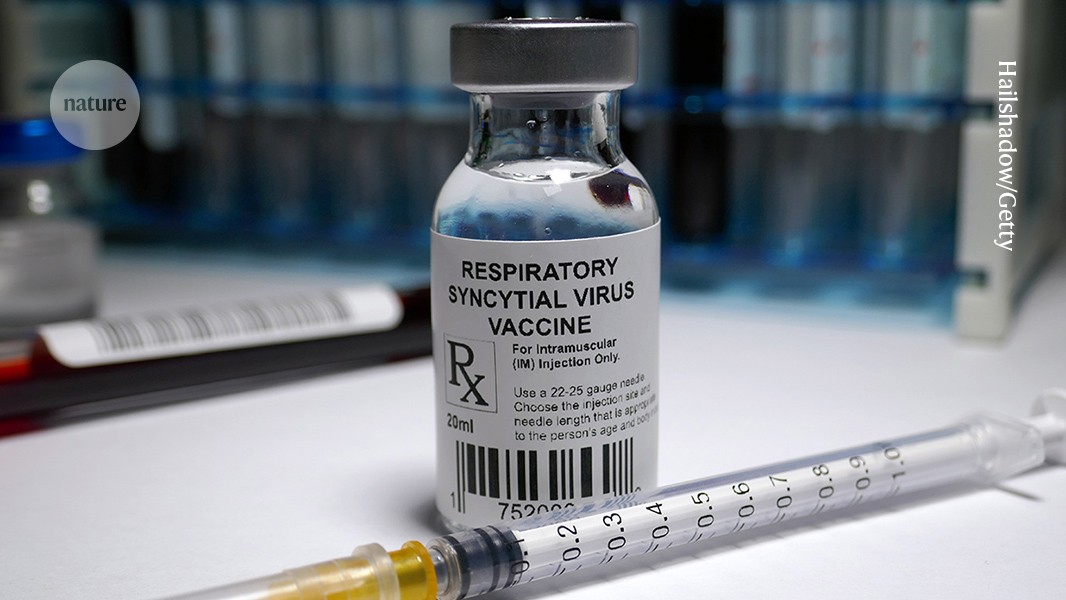
Denmark's introduction of RSV vaccination for pregnant people has dramatically reduced hospitalizations for the virus, according to analysis of Danish health records.
Caroline Klint Johannesen, an epidemiologist, recalls a colleague noting an unusual drop in RSV hospital cases while reviewing data for last winter. The observation came after Denmark launched a nationwide vaccination policy on 1 October 2025 targeting pregnant people against respiratory syncytial virus.
The vaccine works by prompting the pregnant person's body to produce antibodies that cross the placenta and protect newborns during their first six months of life, when infants face the highest risk of severe RSV disease. Newborns born to unvaccinated mothers who faced high risk of severe disease, including premature infants, received injections of monoclonal antibodies instead.
RSV typically causes mild symptoms but can lead to severe disease and death in vulnerable populations, including infants and older adults.