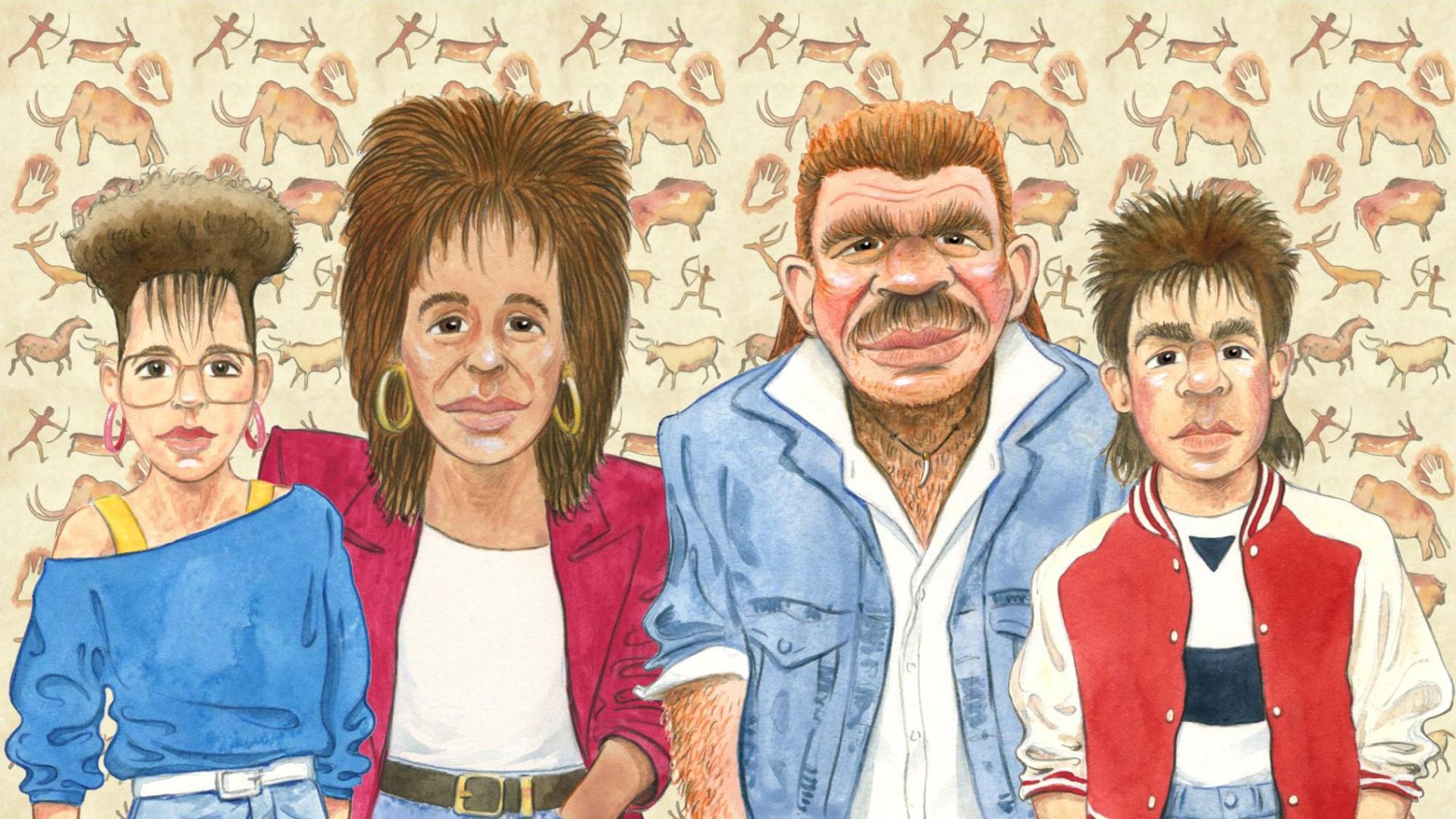
Researchers studying ancient DNA have discovered that when Neanderthals and modern humans mated over tens of thousands of years, a consistent pattern emerges: Neanderthal males more often reproduced with modern human females than the reverse.
Alexander Platt, an evolutionary biologist at the University of Pennsylvania's Perelman School of Medicine, led a study that analyzed X chromosome data from Neanderthal skeletal remains and modern human genomes. The X chromosome carries a distinctive signature of inheritance patterns because mothers pass X chromosomes to all children, while fathers pass X chromosomes only to daughters. This makes the X chromosome particularly sensitive to tracking who reproduced with whom across populations.
When Platt's team ran simulations, the data revealed what he described as "a persistent, recurring mating preference: Males with more Neanderthal ancestry tended to reproduce with females with more modern-human ancestry." This pattern appeared across at least two distinct mating periods separated by around 200,000 years. One pulse occurred roughly 45,000 years ago, producing the majority of Neanderthal DNA in non-African modern humans today. An earlier period over 200,000 years ago left genetic traces that survived in Neanderthals themselves.
The research does not explain why this pattern existed. Rajiv McCoy, a geneticist at Johns Hopkins University, noted that biological incompatibility could produce the same genetic signature without involving sexual preference. Some hybrid pregnancies may have succeeded more often when the Neanderthal parent was the father rather than the mother due to how their respective biologies interacted during pregnancy. Recent studies have proposed that Neanderthal red blood cells may have restricted fetal growth, or that Neanderthal mothers carrying hybrid offspring may have been more prone to preeclampsia, a life-threatening pregnancy complication.