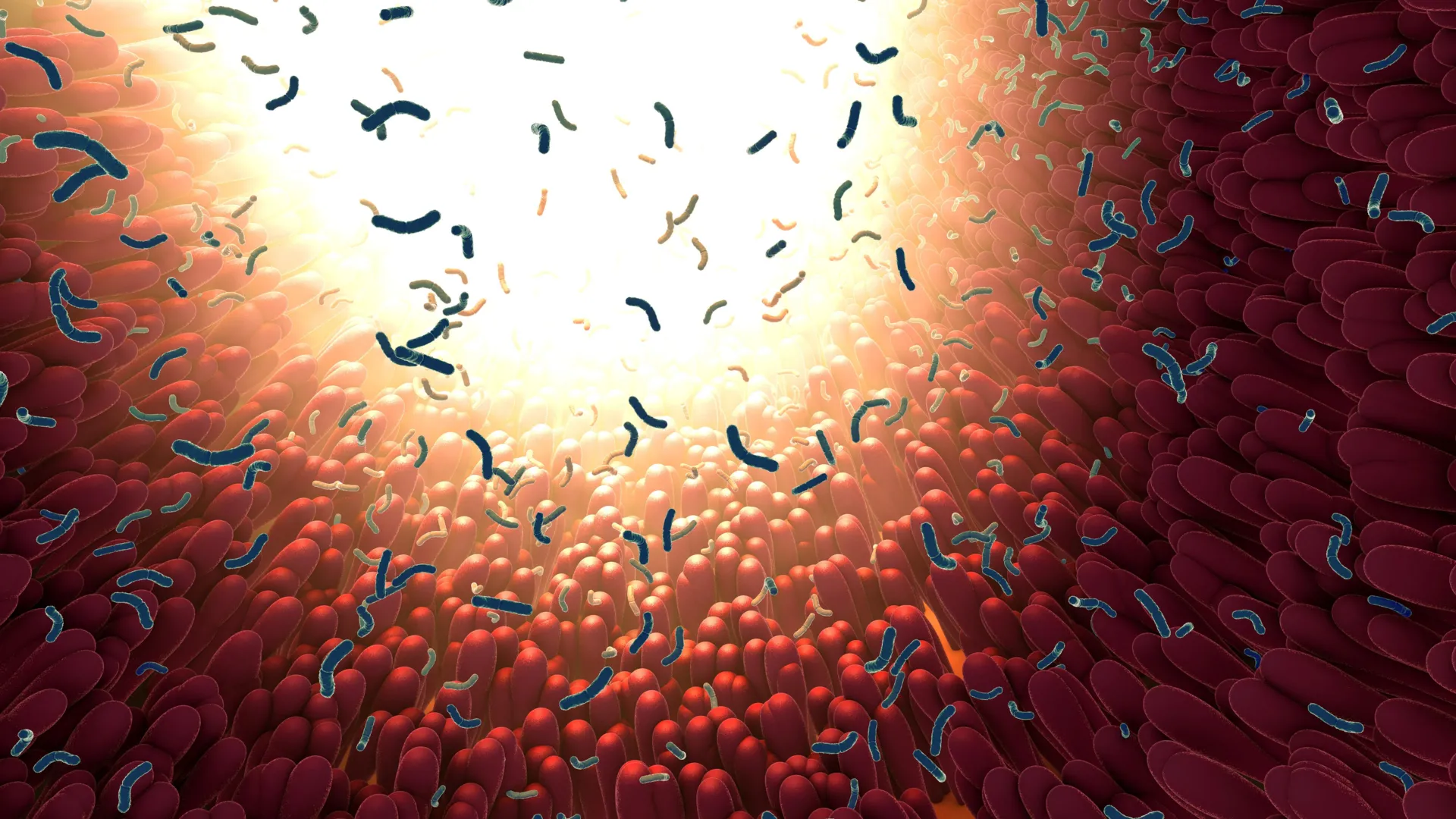
Researchers have identified a direct link between gut bacteria composition and the rate at which human bodies age biologically, potentially explaining roughly 15 percent of the variation in aging trajectories across individuals.
The finding emerges from work analyzing how different microbial communities in the digestive system correlate with markers of biological age, which measures cellular and physiological decline independent of chronological years lived. Scientists discovered that specific bacterial species actively slow aging processes, while others accelerate them. This represents one of the first quantitative connections between microbiome composition and aging speed.
The study matters because aging remains one of medicine's most complex problems. While genetics, diet, exercise, and stress all influence how quickly people age, researchers have struggled to isolate specific mechanisms. The gut microbiome, with trillions of bacterial cells vastly outnumbering human cells in the body, offers a previously underexplored lever for intervention. If certain bacteria truly modulate aging, scientists could develop targeted therapies or dietary interventions to shift people toward health-promoting microbial communities.
The 15 percent attribution is substantial but hardly the whole story. This means 85 percent of biological aging variation stems from other factors. Genetic inheritance, lifestyle choices, environmental exposures, and immune system function all play roles. The microbiome therefore sits as one important piece of a complex puzzle rather than a master control switch.
Understanding which specific bacteria matter now becomes the critical next step. Researchers must identify the exact species or strains associated with slower aging and determine how they function. Do they produce particular metabolites that strengthen the immune system? Do they improve intestinal barrier function, reducing inflammation that accelerates aging? Do they help regulate metabolic processes? Answering these questions requires mechanistic studies beyond the correlational observations presented here.
Translation to human benefit faces real obstacles. Most age-related research relies on animal models or observational human studies. Proving causation, not just correlation, demands carefully controlled experiments. Additionally, individual microbiomes vary enormously based on genetics, diet, antibiotic exposure, and early-life experiences. A bacterial species beneficial for one person might not work identically for another.
The findings align with growing recognition that the microbiome influences numerous aspects of human health beyond digestion, including brain function, immune response, and metabolism. Previous research has connected specific bacteria to longevity in model organisms and linked microbiome diversity to better health outcomes in humans. This study strengthens that body of evidence by directly quantifying microbial impact on biological aging rate.
Practical applications remain preliminary. Probiotic supplements currently on the market lack the rigorous evidence needed to claim anti-aging effects. Fermented foods, dietary fiber, and diverse plant-based diets all support healthy microbial communities, but these remain general health recommendations rather than targeted aging interventions. Researchers will need to validate findings across different populations and identify which specific bacteria warrant therapeutic attention.
This discovery opens a new research direction for aging biology. If confirmed and understood mechanistically, it could reshape how scientists approach longevity, shifting focus toward maintaining a youthful microbial ecosystem alongside traditional wellness strategies. For now, the gut keeps revealing new secrets about how human bodies function and deteriorate over time.