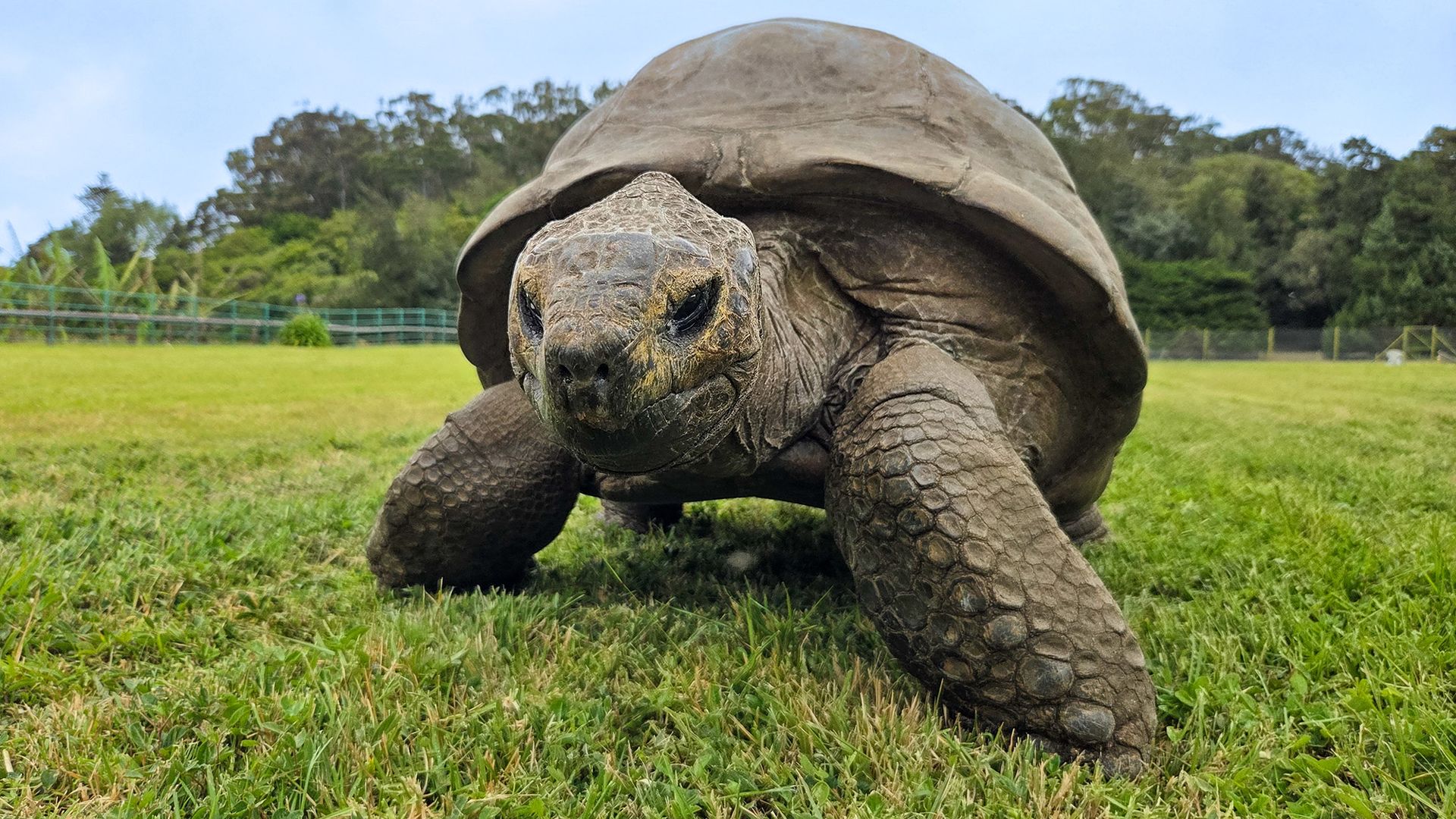
Scientists analyzing DNA from Jonathan, a 194-year-old tortoise, have identified gene variants and epigenetic changes that may explain his exceptional longevity, according to Live Science.
The research examined genetic material from the world's oldest known living land animal. Jonathan lives on the remote island of Saint Helena in the South Atlantic Ocean. Researchers found specific genetic variations and epigenetic modifications, which are chemical changes to DNA that affect gene expression without altering the underlying genetic code itself.
These discoveries could provide insights into the biological mechanisms that enable some organisms to live far longer than their peers. The gene variants identified in Jonathan's genome may offer clues about aging resistance and cellular longevity. Epigenetic changes can accumulate over a lifetime and influence how genes function, potentially affecting lifespan and healthspan.
The findings add to scientific understanding of what allows certain animals to achieve extreme ages. Jonathan's case represents a natural experiment in longevity, offering researchers a chance to study genetic and molecular factors associated with extended lifespans in tortoises.
The research builds on previous scientific interest in understanding aging at the genetic level. Studies of long-lived animals can reveal protective mechanisms that slow cellular aging and disease processes. Such discoveries may have broader implications for understanding aging in other species, though researchers would need additional studies to confirm whether similar mechanisms apply to humans.
Jonathan's remarkable age makes him an invaluable subject for longevity research. His genetic profile now provides a biological roadmap that scientists can use to investigate which specific genes and epigenetic patterns correlate with extreme lifespan in tortoises and potentially other organisms.