Doctors at Boston Children's Hospital have begun injecting mitochondria from patients' abdominal muscles directly into their hearts during surgery for critical heart defects. As of April, 17 babies underwent this procedure, and 80% successfully came off extracorporeal membrane oxygenation (ECMO), a life-support machine that pumps blood and delivers oxygen when the heart cannot. Only about 40% of newborns typically survive ECMO after heart surgery.
James McCully, a research associate at Boston Children's Hospital and associate professor of surgery at Harvard Medical School, pioneered this technique. His team isolates and purifies mitochondria before surgical transplantation. McCully told Live Science that a heart deprived of energy appears pallid, but "you can actually almost see it coming back" in real time after receiving fresh mitochondria, turning a healthy pink.
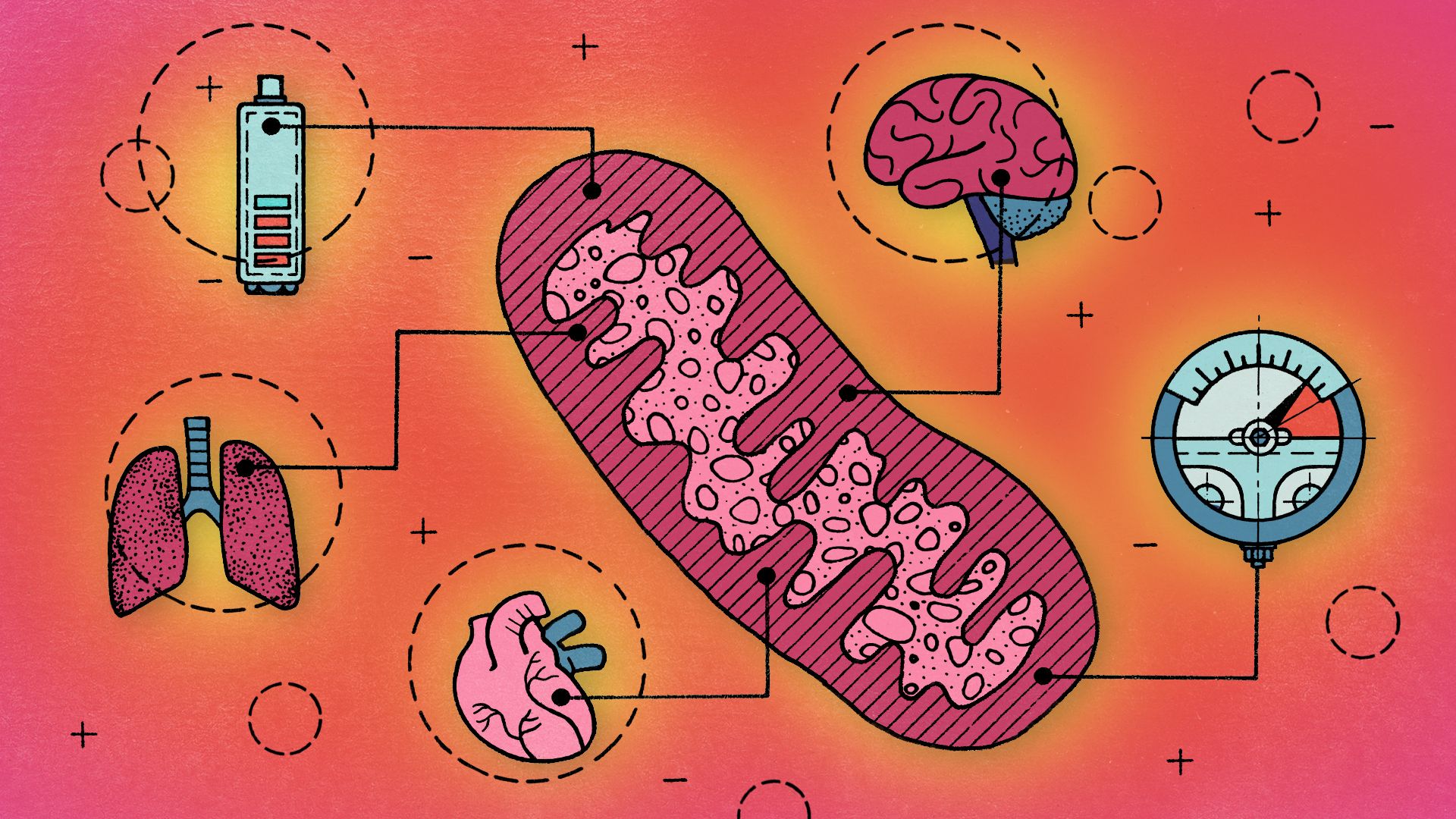
Mitochondria are cellular structures that produce adenosine triphosphate (ATP), the chemical energy that powers cells. Most cells contain hundreds to thousands of mitochondria. The concept of transferring mitochondria between cells emerged less than two decades ago, though cells have performed such exchanges naturally for billions of years.
A 2006 study showed that cells depleted of mitochondrial DNA could obtain healthy mitochondria from neighboring cells and regain their ability to perform energy-intensive processes. Dr. Jon Brestoff, an associate professor of pathology and immunology at Washington University School of Medicine in St. Louis, notes that mitochondrial transfer may be a retained feature from when mitochondria were bacteria, some 1.5 billion to 2 billion years ago.
The baby heart procedure remains experimental. A clinical trial is currently underway. It is too soon to say whether the treatment improves overall survival rates, though early data hints that it might. Other scientists are investigating mitochondrial transplantation for revitalizing donated organs, treating stroke patients, and addressing genetic diseases affecting mitochondrial function.