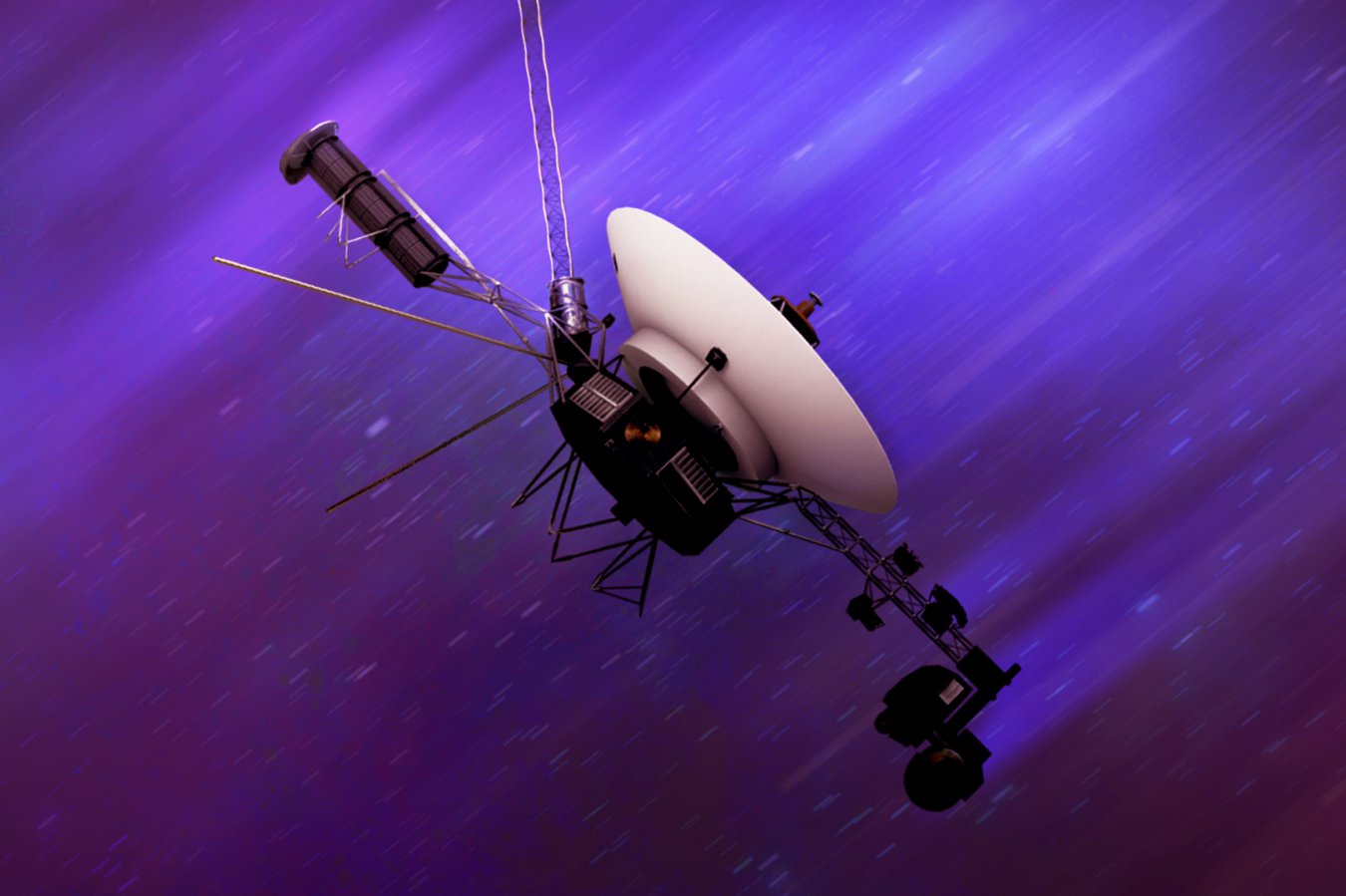
Voyager 1, which launched almost 50 years ago, will pass within astronomical distance of the star Gliese 445 in around 40,000 years. On 18 November, it will have travelled one light day from Earth. The probe represents a rarity in space exploration, as most iconic spacecraft have burned up in Earth's atmosphere or sunk to the ocean floor.
The Hubble Space Telescope and the International Space Station face similar fates in the near future, despite calls from scientists to preserve Hubble. Some spacecraft like the space shuttles are displayed in museums, but our present space history lacks systematic preservation efforts for spacecraft in their original locations, where future space-travelling descendants could view them.
Apollo hardware left on the moon has almost no protection under international law. One proposal suggests that an organisation similar to UNESCO's World Heritage Committee could designate important space artefacts for preservation and direct cultural and heritage funding toward their conservation. However, cultural budgets often face threats, and the US is set to leave UNESCO at the end of this year.
Private philanthropy offers another avenue. The author suggests that tech billionaires funding space initiatives might consider supporting space museums or orbital institutes, similar to how 19th-century industrialists like Andrew Carnegie and J. P. Morgan funded cultural institutions.