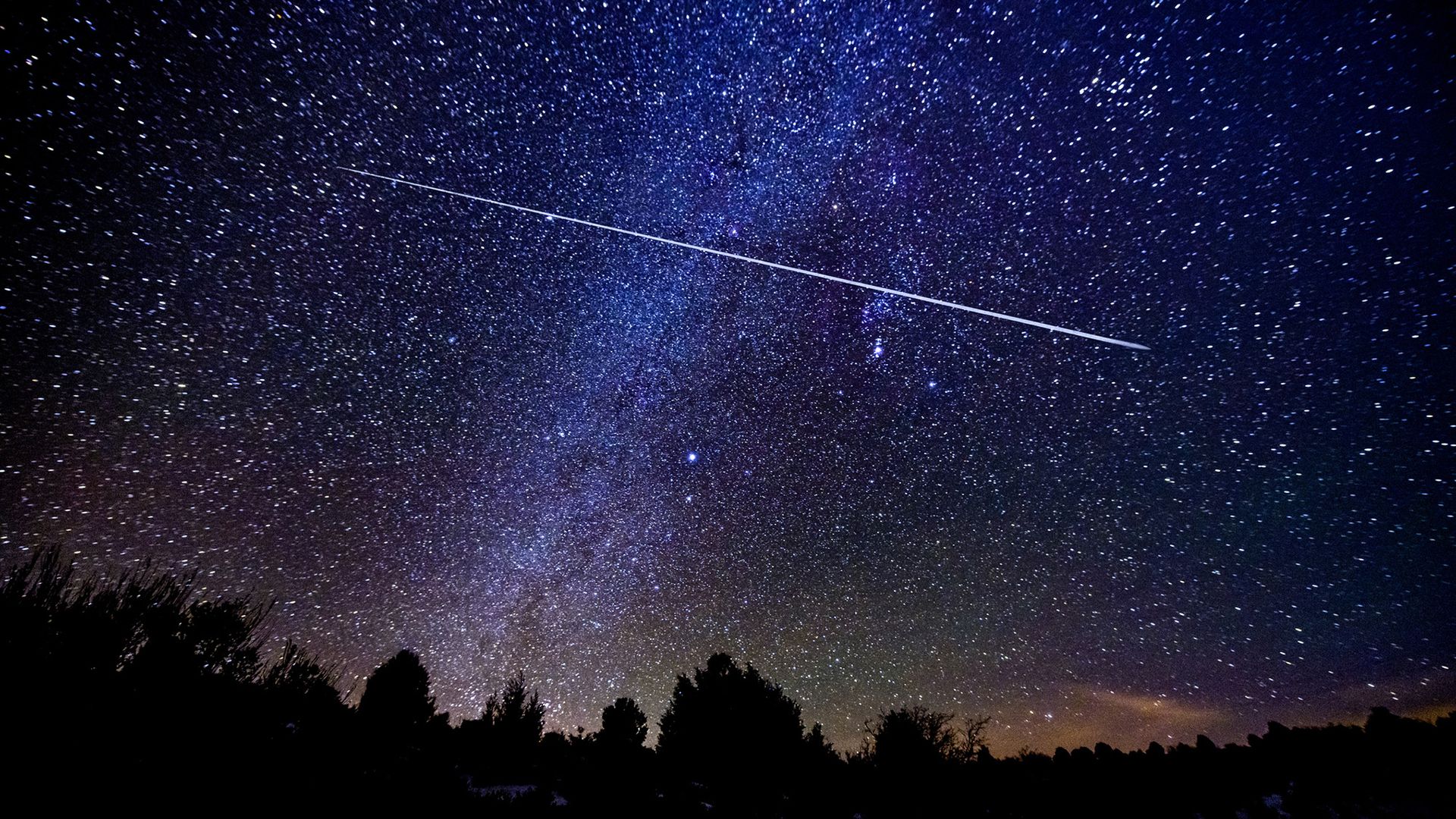
The Southern Taurid meteor shower peaks overnight Wednesday and Thursday, November 4-5, and could produce exceptionally bright meteors called fireballs. According to NASA, fireballs are meteors at least as bright as Venus.
The Southern Taurids are a minor meteor shower, producing only a handful of shooting stars each hour. However, the American Meteor Society expects the "fireball swarm component" to peak around November 4-5, even though the shower's overall activity peaks October 14.
Meteors from this shower appear to radiate from the constellation Taurus, which rises in the eastern sky as night falls. The hours around midnight offer the best viewing opportunity. Unlike major showers such as the Perseids and Geminids, the Southern Taurids have a broad peak, so there is no need to watch at an exact time.
Both the Southern Taurids and the Northern Taurids (peaking November 11-12) result from dust and debris left by Comet 2P/Encke. Discovered in 1786, Encke measures 2.98 miles (4.8 kilometers) in diameter and orbits the sun every 3.3 years, one of the shortest orbital periods of any comet in the solar system. Scientists theorize that Encke is one of many fragments of a giant comet that broke apart 20,000 to 30,000 years ago.