October offers stargazers multiple opportunities to observe dramatic celestial events. NASA identifies four major occurrences this month.
Jupiter will pass behind the Moon in an occultation event, temporarily disappearing from view. Two separate meteor showers will produce shooting stars visible from Earth. One meteor shower originates from debris associated with Halley's Comet, the famous periodic comet that returns roughly every 76 years.
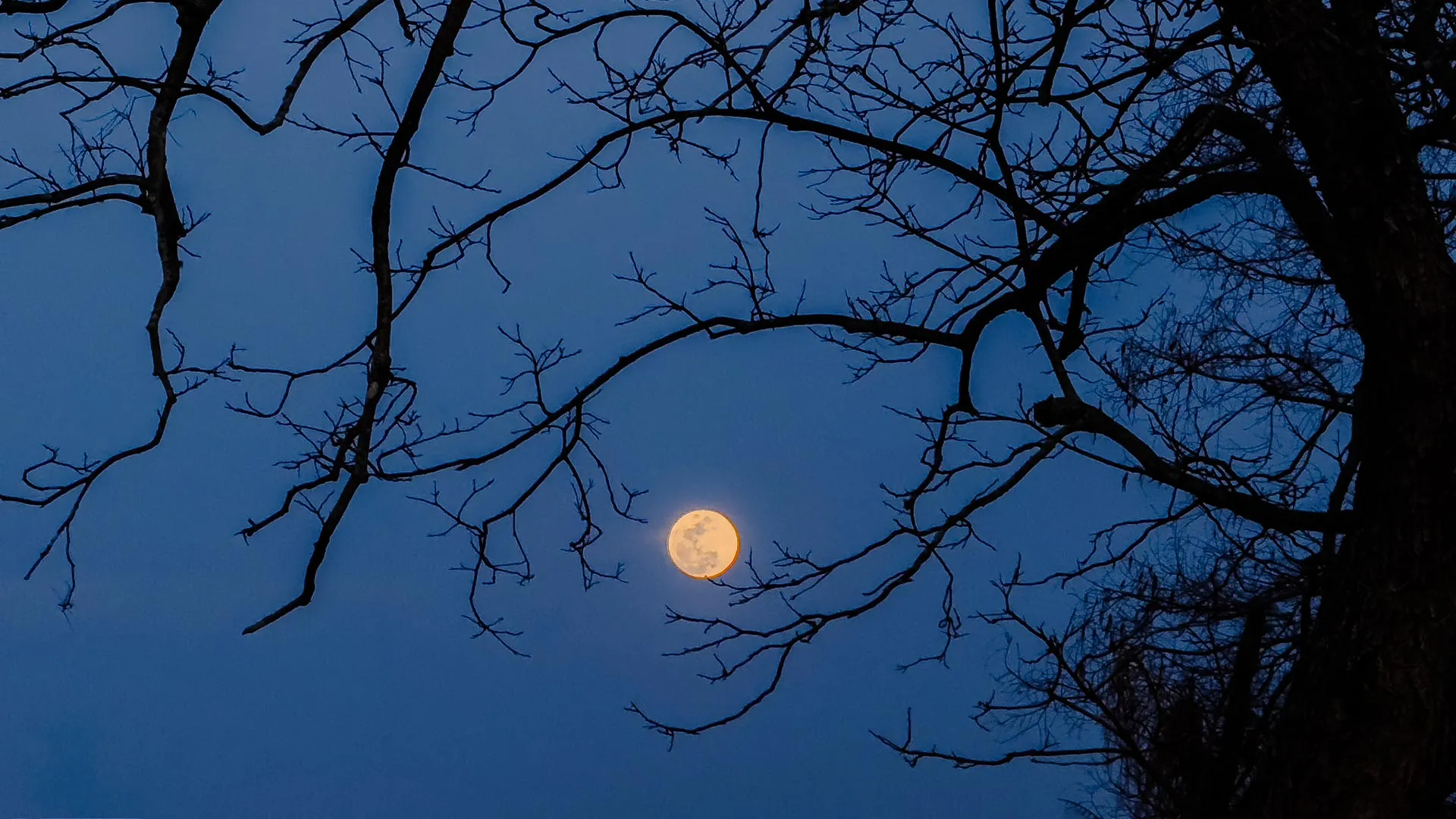
The Hunter's Moon, the full moon occurring in October, will appear notably bright and luminous. This full moon precedes Halloween by a few days, creating opportunities for evening observations during the holiday season.
NASA groups these events together as must-see celestial phenomena for October observers. The combination of planetary occultations, meteor activity, and lunar brightness creates what the agency describes as a month full of "cosmic tricks and treats."
The exact timing and visibility of these events varies depending on geographic location, though NASA provides this as a general forecast for October's night sky. Stargazers planning to observe any of these phenomena should check specific local viewing conditions and times for their region.