# Brain's Late-Life Neuron Growth Reshapes Understanding of Adult Neuroplasticity
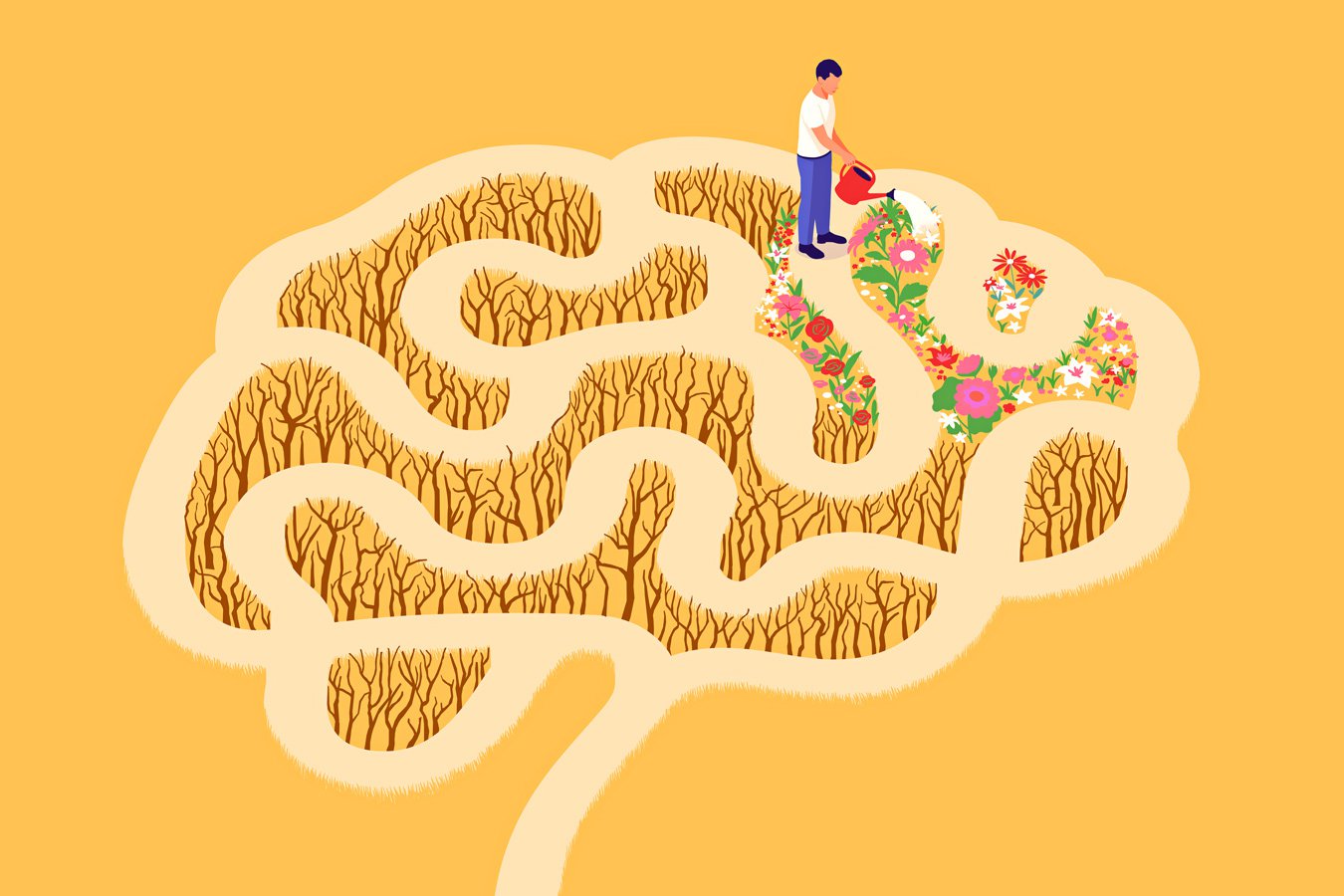
For decades, neuroscientists accepted that the adult brain could not produce new neurons. That dogma crumbled in the 1990s when researchers discovered neurogenesis persists into adulthood, particularly in the hippocampus, a brain region critical for memory formation. Now, accumulating evidence reveals this regenerative capacity extends further into aging than previously thought, fundamentally altering how researchers approach treating neurological and psychiatric conditions.
The discovery emerged from studies using sophisticated imaging and cell-tracking techniques. Researchers identified neural stem cells in the adult hippocampus that continue dividing throughout life, generating fresh neurons even in elderly brains. This finding contradicted the prevailing view that neural circuits became essentially fixed after childhood development concluded.
Fred Gage at the Salk Institute for Biological Studies pioneered much of this research, demonstrating in landmark studies that environmental enrichment, exercise, and learning stimulate neurogenesis in adult mice. His work established that the brain retains plasticity far longer than textbooks suggested. Subsequent human studies using radiocarbon dating and other methods confirmed similar processes operate in people, though at lower rates than in younger individuals.
The implications ripple across multiple therapeutic domains. Stroke victims may benefit from rehabilitation protocols designed to maximize neurogenesis in damaged brain regions. Depression researchers now investigate whether poor neurogenesis in the hippocampus contributes to mood disorders, and whether treatments enhancing neuron production could complement existing antidepressants. Dementia researchers explore whether slowing age-related declines in neurogenesis could delay cognitive decline.
However, the field remains contested. Some neuroscientists argue evidence for human adult neurogenesis relies too heavily on animal models and limited postmortem tissue samples. Techniques for measuring new neuron production in living human brains remain imperfect. A 2018 study in Nature challenged claims about hippocampal neurogenesis in older adults, sparking intense debate about methodology and interpretation across neuroscience journals.
Current research focuses on identifying factors that stimulate neurogenesis naturally. Aerobic exercise consistently correlates with increased hippocampal neurogenesis across species. Dietary components like flavonoids show promise in preliminary studies. Sleep quality appears relevant too, with fragmented sleep suppressing neuron production in animal models.
The therapeutic horizon includes pharmacological approaches. Some existing antidepressants may work partly by enhancing neurogenesis. Researchers at institutions including Cambridge University and UC San Francisco are developing drugs specifically targeting neural stem cell activation. Clinical trials investigating whether enhancing neurogenesis improves outcomes in depression and stroke recovery are underway.
This shift toward understanding adult neurogenesis also challenges assumptions about aging itself. Rather than viewing adult brains as static organs locked in decline, neuroscientists increasingly recognize the brain as dynamic and responsive to lifestyle factors. This perspective generates more optimism about preserving cognitive function in older adults through targeted interventions.
The evidence remains incomplete, and translating laboratory discoveries into reliable clinical treatments takes time. Yet the recognition that adult brains retain regenerative capacity fundamentally reframes neurological disease prevention and treatment, shifting focus from simply managing symptoms toward potentially restoring lost neural function.