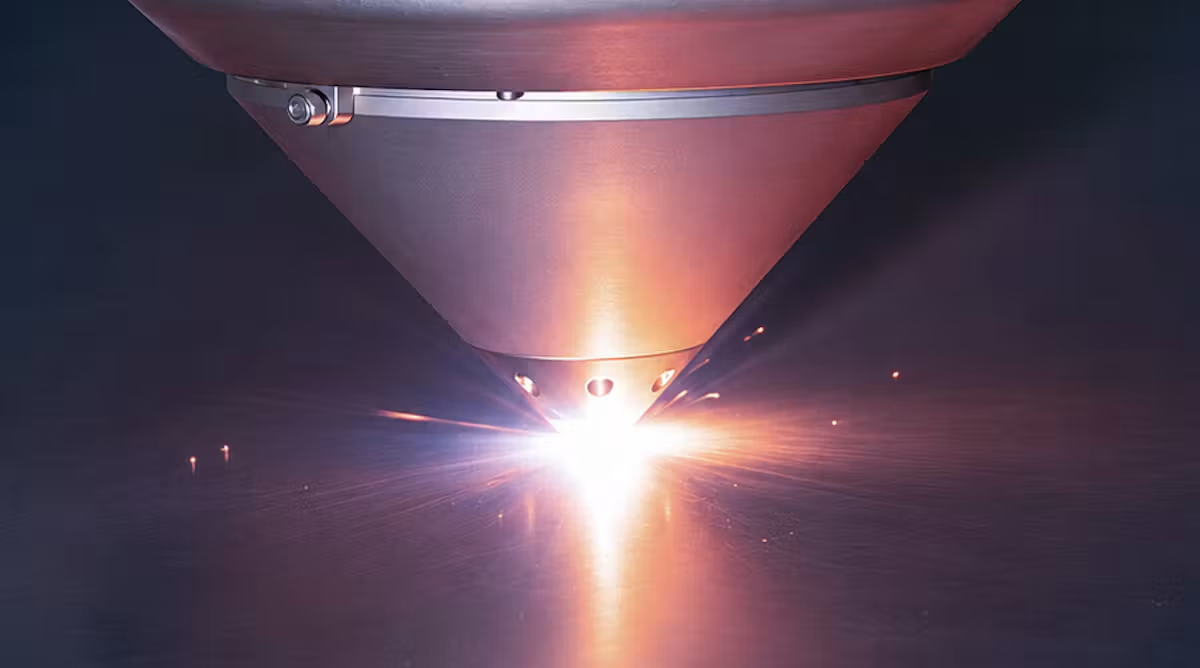
Researchers are exploring laser-based manufacturing techniques to repair aging steel infrastructure instead of replacing it entirely. The technology, called wire-fed laser-directed energy deposition (DED), feeds a thin metal wire into a controlled laser beam that melts both the wire and a small section of existing steel, allowing new material to bond directly to the original. This approach enables engineers to restore deteriorated steel precisely where needed, potentially extending the life of bridges and other structures.
Barbara Rossi, Associate Professor and Tutorial Fellow in Engineering Science at the University of Oxford, explains that the technique could reduce disruption and intervention time compared to traditional repairs involving steel plate attachment or component replacement.
Tests show promise. Wire-arc deposition arrested existing fatigue cracks beyond nine million loading cycles, compared with failure at 0.95 million cycles without repair. A related technique called laser cladding restored more than 90% of fatigue strength in artificially damaged modern steel.
However, significant gaps remain. Most scientific evidence comes from small specimens of modern steel that have been artificially damaged. Real bridges often contain century-old steel with different chemical compositions, accumulated fatigue damage, and service defects. Engineers must understand how old and new material interact to assess how much additional safe life a repair provides. Laser deposition also changes the microscopic structure of steel around the repair site.
The economic and environmental stakes are substantial. The UK has 16,000 metallic railway bridges, with 80% already over 50 years old when surveyed in 2004 and half over 100 years old. If life extension allowed just 1% of the UK's 300 million tonnes of embedded steel to remain in service instead of being replaced, 3 million tonnes of steel production could be avoided, corresponding to approximately 2.1 million tonnes of carbon dioxide-equivalent and 8.2 terawatt-hours of steelmaking energy. Bridge closures from replacement work create weeks or months of diverted journeys and increased emissions. Focused renovation produces 84-93% lower emissions than replacement.