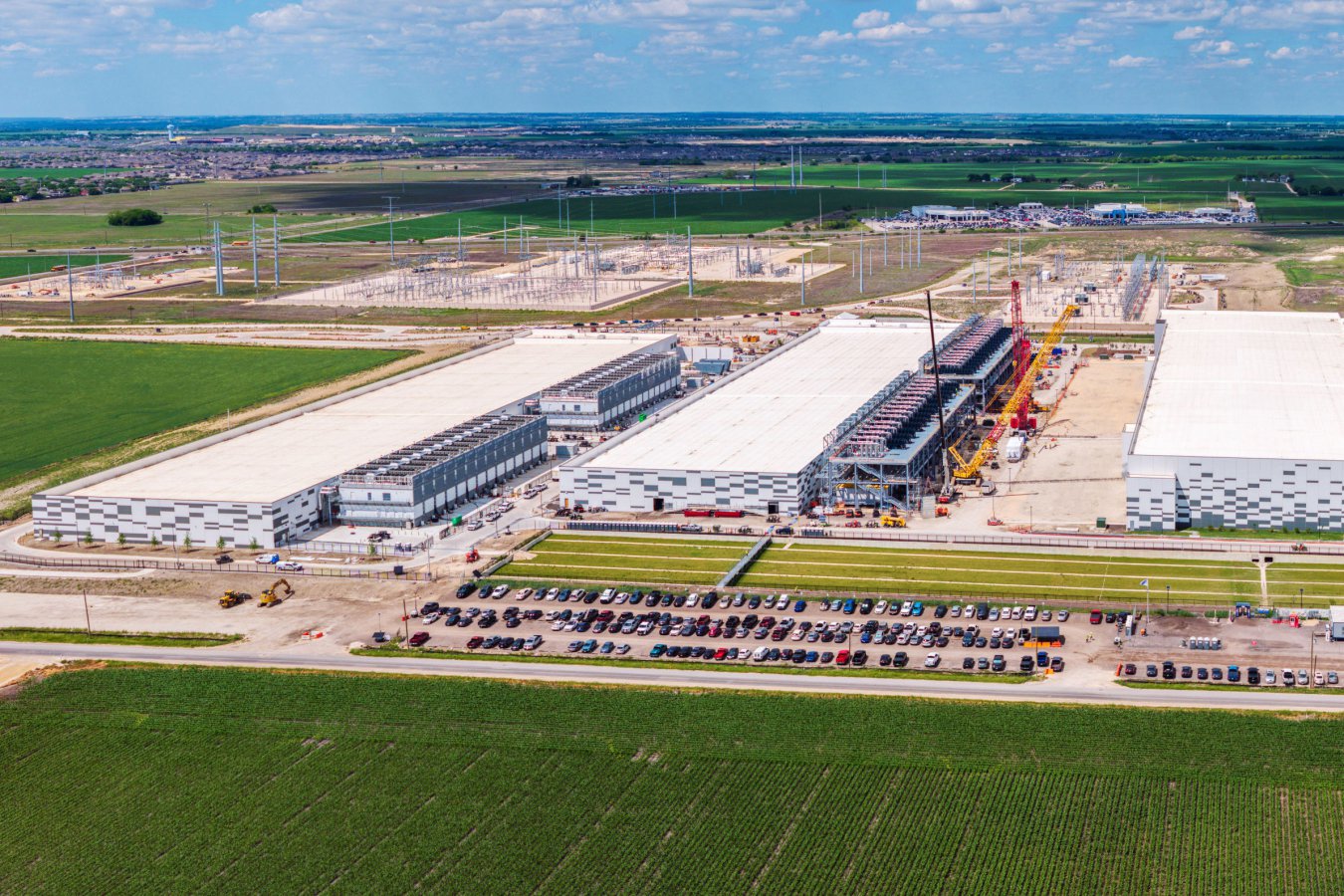
Hyperscale data centres in the US consumed roughly 82 terawatt-hours of electricity between May 2024 and April 2025, equivalent to about 1.8 per cent of total US electricity use, according to research from Francesca Dominici at Harvard University and colleagues. This consumption exceeds the annual power use of states such as Missouri, Kentucky and New Jersey.
The team analysed 403 hyperscale data centres across the US over two years to estimate electricity consumption and carbon emissions. The upper bound of their estimate, 99 terawatt-hours per year, would rival the annual power consumption of Indiana, Michigan and Washington.
The researchers estimate that roughly 54 per cent of the electricity supplying these facilities came from fossil fuel sources, resulting in annual carbon dioxide emissions of 25.7 million tonnes. This equals the emissions from 67 natural gas power plants.
The rapid expansion of these facilities stems from development of artificial intelligence systems, cloud computing and large language models. Many data centre operators do not publicly report power consumption or emissions data, making tracking difficult.
Alex de Vries-Gao, a data scientist at the Free University of Amsterdam, notes the findings align with estimates from the International Energy Agency but cautions that the study relies on commercial data that is difficult to independently verify and contains multiple assumptions about facility power use and operating capacity. Yury Dvorkin at Johns Hopkins University in Maryland adds that the analysis is relatively coarse, not accounting for factors such as how network constraints affect grid power emissions.
Dominici says she wants data centre developers and operators to be more transparent about environmental impacts. "My frustration is that as we are moving forward, this narrative is not informed by rigorous scientific data, and data-driven decision making," she states.
Public opposition to data centre construction has grown, with a recent poll showing 76 per cent of Americans would oppose building a new facility in their community. Some new facilities now use private gas power generation rather than grid electricity, increasing climate impact.
Hyperscale data centres also require large volumes of water for cooling servers and substantial land. In Utah, a proposed data centre covering an area twice the size of Manhattan and nearly doubling the state's annual peak electricity demand has triggered resident backlash.