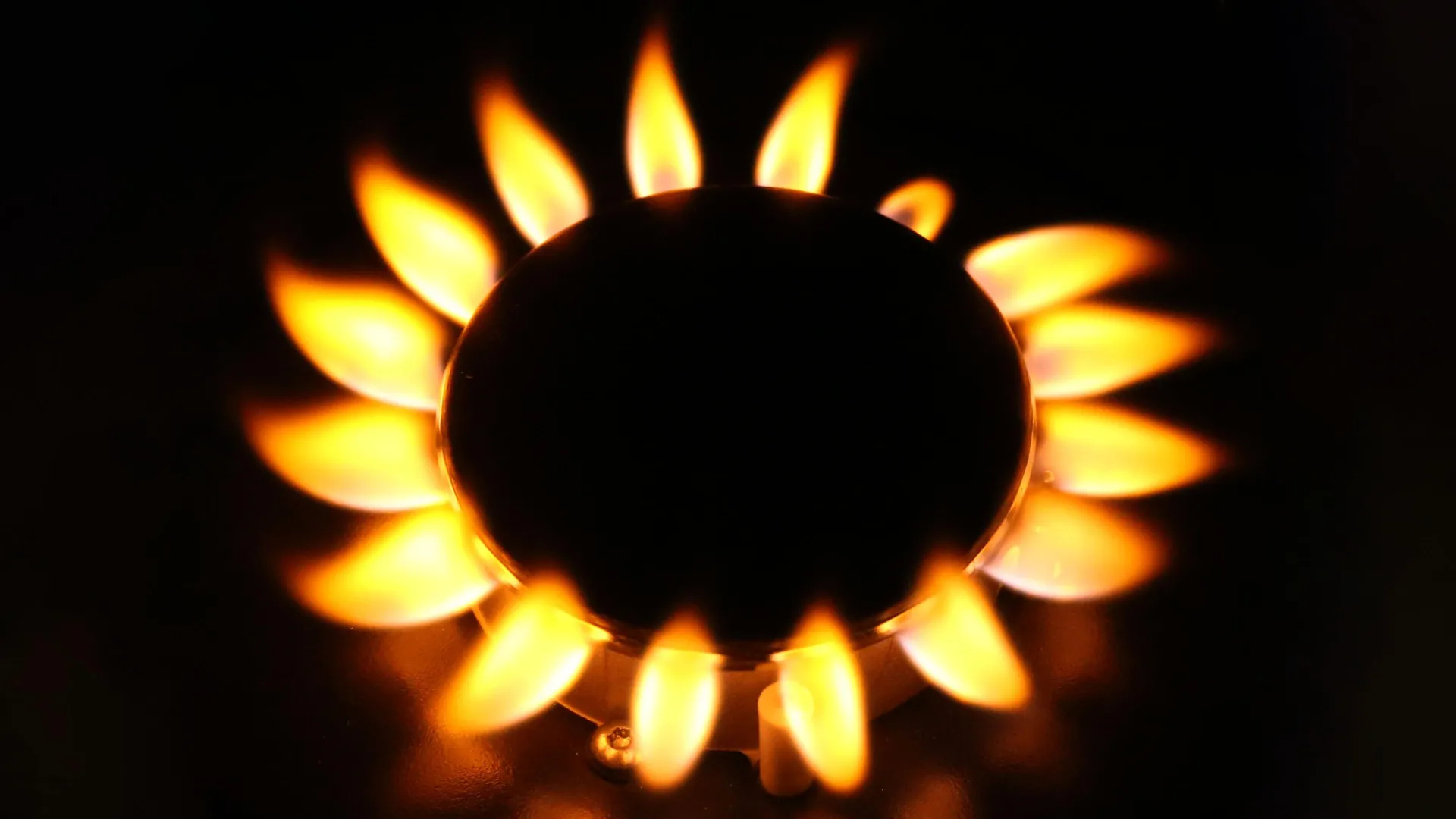
Researchers at Adelaide University identified sodium as the reason hydrogen flames change color dramatically, shifting from bright orange to nearly invisible despite identical burner settings. The study, published in Next Energy, found that sodium particles naturally present in air, often transported inland from sea salt by wind, cause hydrogen flames to glow orange when present but become much harder to see when sodium concentrations drop.
The team combined controlled laboratory experiments with outdoor testing around Adelaide over two weeks. While keeping burner settings constant, they monitored light emissions from hydrogen flames and found the sodium-related light signal varied by more than 28 times between its lowest and highest values. Air that had passed over the ocean generally contained more sodium and produced brighter orange flames, while air with less sodium produced fainter flames.
The researchers also compared hydrogen flames to natural gas flames and found hydrogen flames emitted less visible light on average, even under favorable atmospheric conditions. Hydrogen combustion produces faint blue and red light, but these colors were easiest to detect only in darkened surroundings, making them unreliable visual indicators in everyday lighting.
Lead researcher Professor Paul Medwell from Adelaide University's School of Electrical and Mechanical Engineering stated that the results show why judging whether a hydrogen burner is operating based on appearance alone may be unreliable. Rather than relying on flame color, engineers may need to incorporate specialized ultraviolet or infrared flame detectors and temperature sensors to confirm that hydrogen is burning. Medwell noted that "different energy sources have different properties, and good engineering is about understanding those differences and designing for them."
The project involved researchers from Adelaide University, the University of New South Wales, and Gas Infrastructure Research Australia, with support from the Future Fuels Cooperative Research Centre.