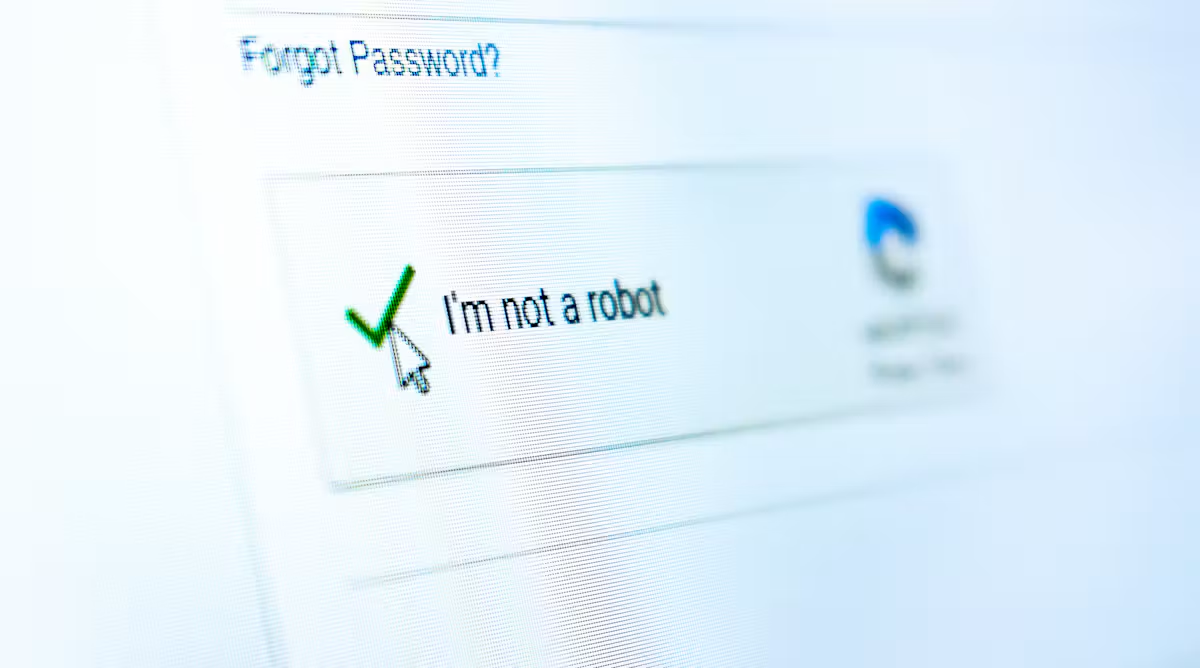
Cybercriminals exploit CAPTCHA security checks to trick users into installing malware through a scam called ClickFix, according to researchers at the University of Canberra and Adelaide University.
The scam works by displaying a fake CAPTCHA verification screen on a website, often one that has been secretly compromised. After a user clicks the checkbox, the page displays additional instructions that secretly place a computer command into the clipboard. The user is then prompted to press a keyboard shortcut like Windows+R and paste the command, which opens a system tool that runs malicious code.
Australia's national cyber security agency identified a ClickFix campaign spreading malware called Vidar Stealer, which steals passwords, browsing information and sensitive data. The threat operates globally, with criminals using stolen information to access personal accounts, steal money or launch further attacks.
The scam exploits familiar online behavior. Users have grown accustomed to following verification instructions, making them less likely to question unexpected prompts. However, simply clicking the fake CAPTCHA does not infect a computer. Infection occurs only when users execute the malicious command.
A genuine CAPTCHA will never ask users to copy-paste text or run computer commands. Researchers recommend not following instructions you don't understand, avoiding downloads of unknown programs, keeping software updated, using strong passwords with multi-factor authentication, and browsing carefully by using trusted bookmarks for sensitive services. If a suspicious command is executed, users should disconnect their device from the internet and seek technical assistance.