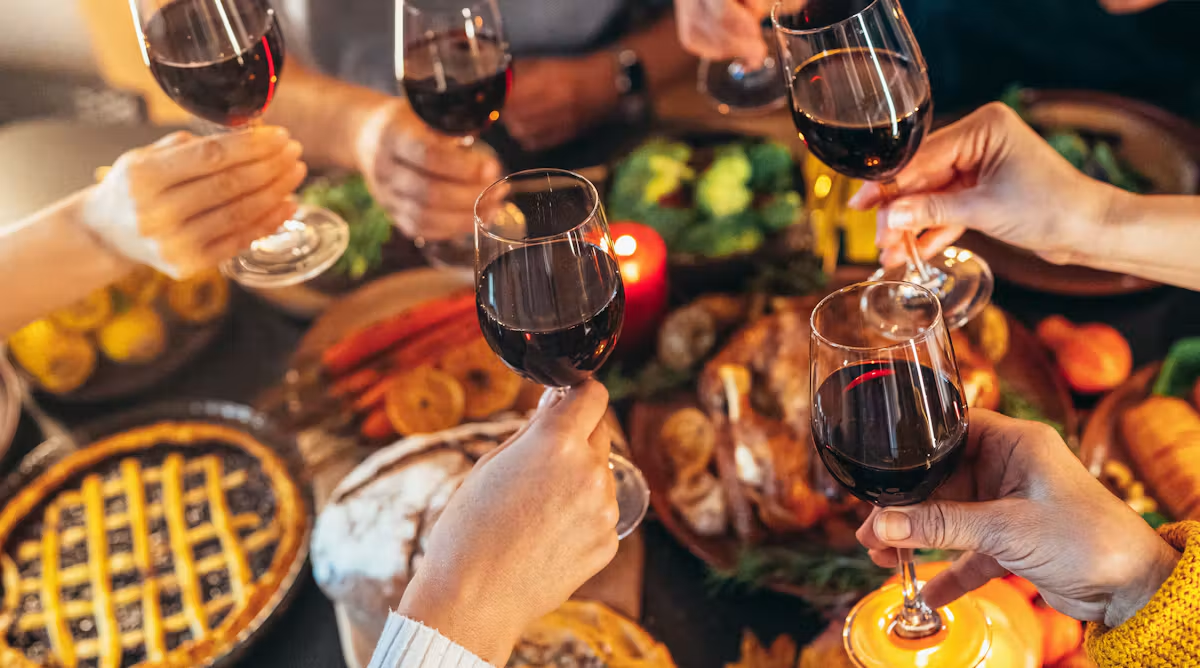
As approximately 1 in 10 adults in the United States used GLP-1 medications in 2025, millions will face the same holiday dilemma: how to enjoy Thanksgiving and winter celebrations without derailing their progress. The good news, according to Reed Berger-Fleishman, an Associate Clinical Professor of Medicine and Surgery at University of Illinois Chicago, is that these medications can actually work in your favor during food-centered gatherings. Rather than viewing GLP-1s as a limitation, patients should recognize them as allies that help regulate appetite, improve awareness of fullness, and reinforce healthier eating behaviors during a season when whipped sweet potatoes, mac and cheese, and decadent desserts dominate the table.
However, understanding how GLP-1 medications work is essential to avoiding uncomfortable surprises. These drugs reduce hunger, slow stomach emptying, and help patients feel full sooner and stay full longer. Many patients also report fewer cravings for high-calorie foods and even a reduced desire to drink alcohol. The critical mistake would be assuming these effects eliminate the possibility of overindulgence. Patients who previously experienced little or no nausea may suddenly develop significant nausea or even vomiting after eating beyond their new comfort level. Learning to recognize your body's changing fullness signals—paying attention to nausea, bloating, and early fullness rather than finishing everything on your plate—becomes crucial.
Alcohol consumption during holiday celebrations requires special caution. Although you may have tolerated alcohol without difficulty in the past, GLP-1 medications can change your experience. Alcohol can worsen nausea, acid reflux, dehydration and other gastrointestinal symptoms. If you choose to drink, limit your intake compared to pre-medication levels, avoid drinking on an empty stomach, stay hydrated with water, and stop if you experience nausea or dizziness.
Holiday travel adds another layer of complexity. Some injectable GLP-1 medications require refrigeration before use, while others allow room-temperature storage for a specified period. Keep medication and supplies in carry-on luggage when flying, arrange prescription refills in advance, and stick to your regular dosing schedule. Taking extra doses or doubling up to accommodate a holiday meal can increase the risk of significant side effects and potentially cause an overdose.
Perhaps most importantly, remember that the holidays are not everyday life. One large meal or dessert will not erase your progress. You don't need to skip Thanksgiving dinner or avoid your favorite dessert. Maintaining a healthy relationship with food means allowing yourself flexibility while keeping your long-term goals in perspective. The key is enjoying the occasion, recognizing when you've had enough, and returning to your usual routine afterward.