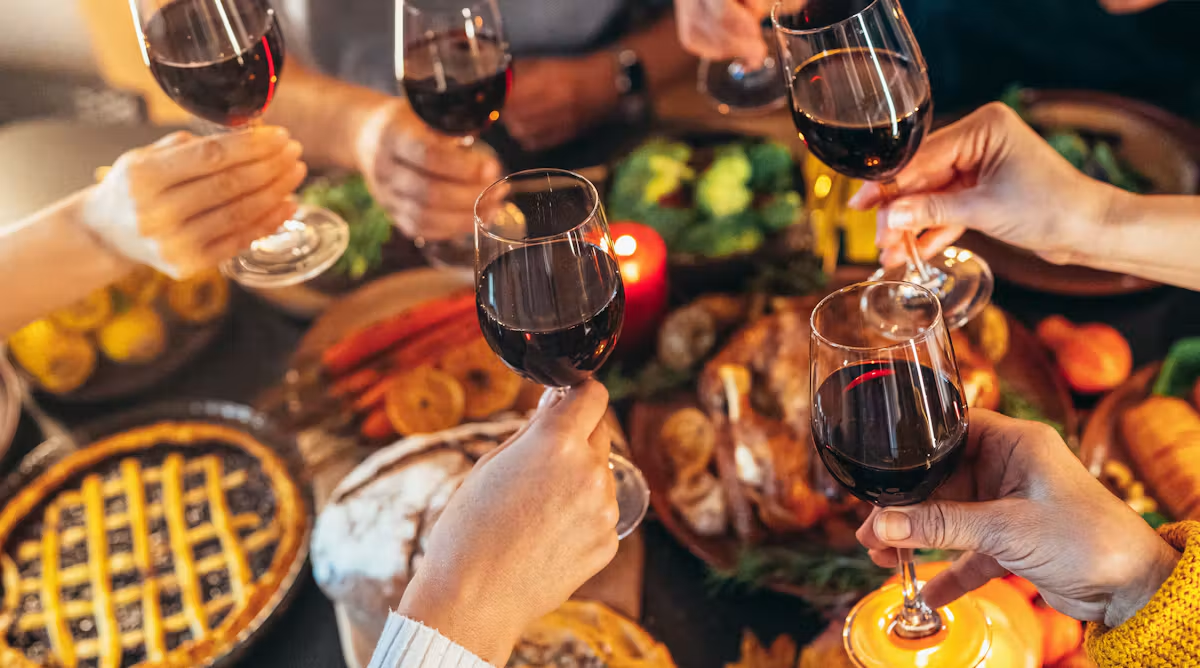
A physician specializing in obesity medicine offers guidance for people taking GLP-1 medications during holiday meals and celebrations.
GLP-1 medications reduce hunger, slow stomach emptying and help patients feel full sooner and stay full longer, according to the article. Many patients also report fewer cravings for high-calorie foods and reduced desire to drink alcohol. The author notes that approximately 1 in 10 adults in the United States used these drugs in 2025.
The medications can help people navigate holiday food temptations, but they create new challenges. Patients who previously experienced little or no nausea may develop significant nausea or vomiting after eating beyond their new comfort level, the author states.
The physician recommends learning to recognize changing fullness signals. Rich, high-fat foods in particular can worsen nausea and prolong fullness, so a few bites of favorite dishes may satisfy more than an entire serving.
Alcohol deserves caution. GLP-1 medications can change how people tolerate alcohol and can worsen nausea, acid reflux and dehydration. The author recommends limiting intake, avoiding drinking on an empty stomach, staying hydrated and stopping if experiencing nausea or dizziness.
For holiday travel, the author advises checking medication storage requirements before departing, as some injectable GLP-1 medications require refrigeration while others allow room-temperature storage for specified periods. Keeping medication in carry-on luggage during flights protects against extreme temperatures. The author also recommends arranging prescription refills in advance and sticking to regular dosing schedules rather than taking extra doses to suppress appetite.
The author emphasizes that one large meal will not erase progress made on medication, and people can enjoy holiday celebrations while returning to usual routines afterward.