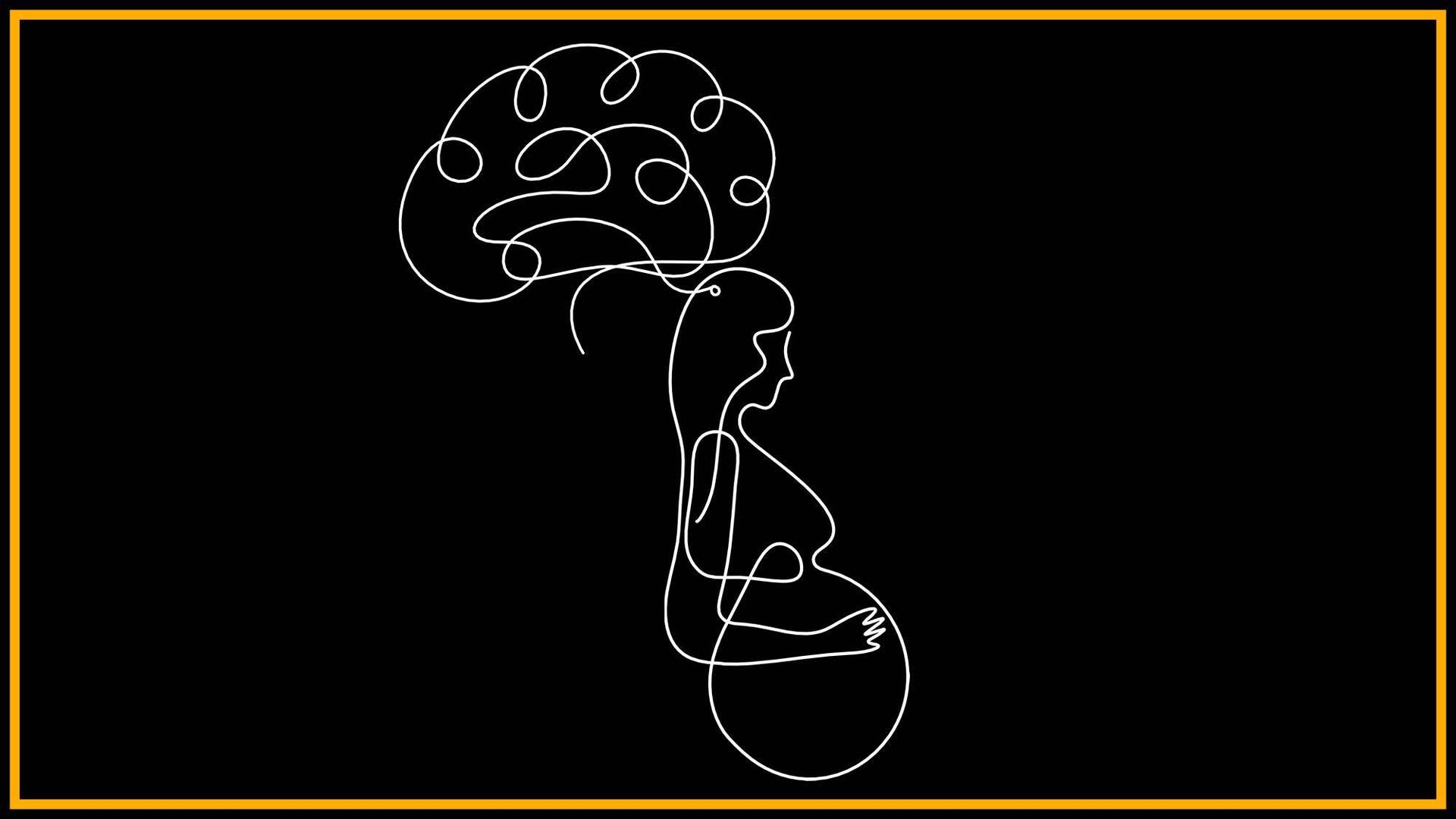
A 2016 study published in Nature Neuroscience showed that pregnancy profoundly changes the structure of the human brain, overturning centuries of medical illustration that depicted pregnant bodies without heads. Researchers have since found that brain changes during pregnancy and the postpartum period are more pronounced and rapid than those occurring during adolescence, making this one of the most plastic periods for the adult brain in adulthood.
The changes are driven by hormonal swings in estrogen and other hormones. Some brain regions shrink during gestation and grow after birth, while others follow the opposite pattern. Some structural changes persist for years, with preliminary evidence suggesting they may last decades.
These findings raise questions about "mommy brain" or "momnesia," which many women report. Data collected so far suggest these brain changes are not associated with worse cognitive functioning. Women whose brains changed the most reported greater well-being and easier bonding with newborns.
However, the same brain plasticity that aids adaptation carries risk. A recent 2025 study published in Science Advances found that certain brain changes were associated with greater increases in depressive symptoms during the postpartum period. About 1 in 5 women experience perinatal depression. In developed countries, suicide linked to peripartum mental disorders is one of the leading causes of maternal death.
The researcher notes that building a comprehensive longitudinal database tracking the same women from before conception through years after birth is essential. Such databases have transformed other fields like Alzheimer's research and adolescent brain studies. Currently, relevant data sit in separate silos without integration. The researcher's lab has assessed hundreds of participants across pregnancy stages, but scaling to thousands with adequate geographic and social representation is needed.