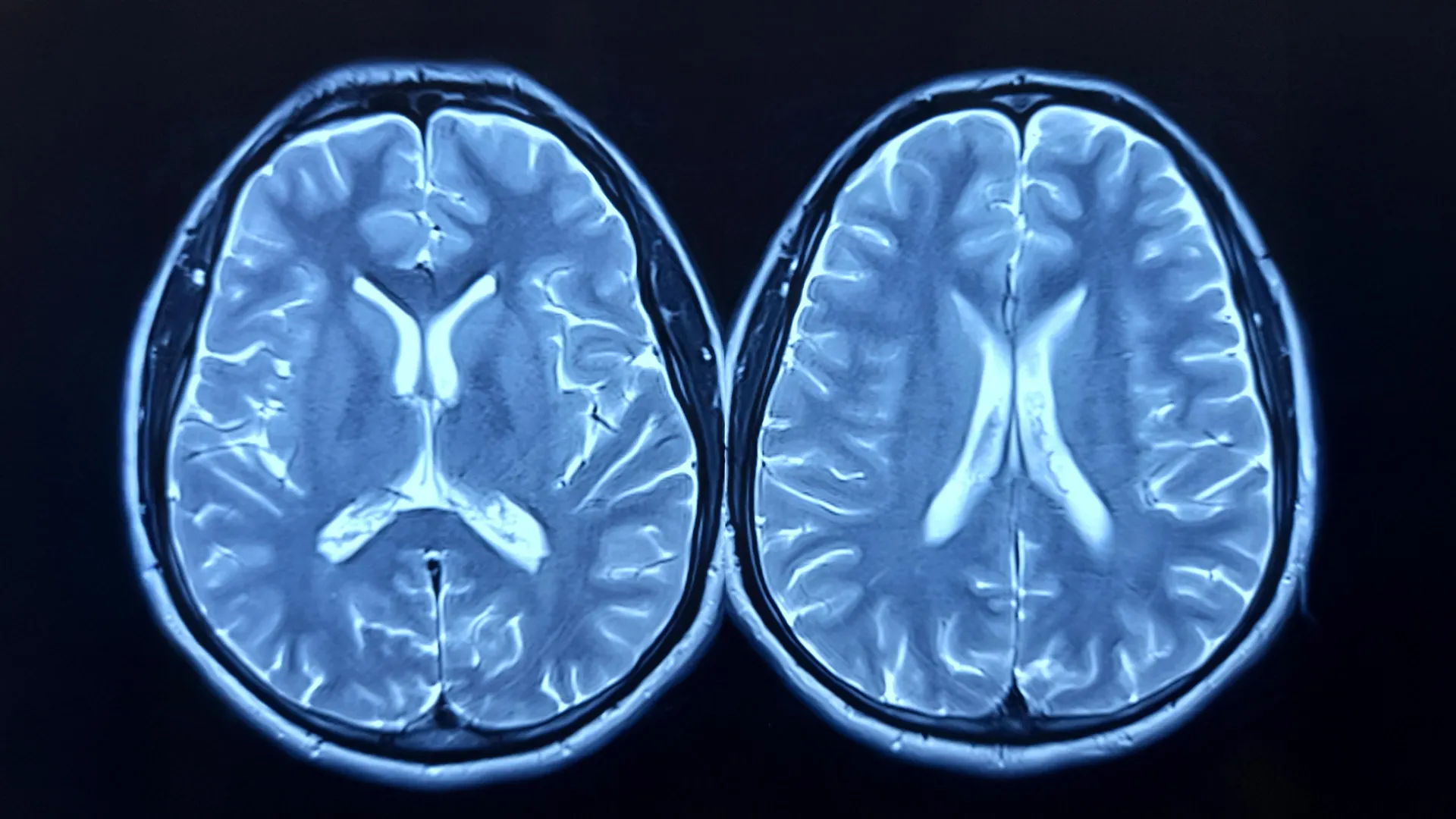
Researchers led by Dorit Kliemann and James Traer of the University of Iowa examined brain imaging data from adults with and without autism while they watched movies. The study, published in JNeurosci, used computational models to identify how brain activity responded to visual details, sounds, and social information in the films.
When researchers averaged brain responses across groups, adults with autism showed activity patterns similar to those without autism. But individual-level analysis revealed a striking pattern. People with autism displayed substantially greater variation in their brain responses than participants without autism. This increased variability appeared across nearly every brain system examined, with the strongest differences in the social brain, a network of regions involved in processing social information.
James Traer noted the unexpected finding: "We were surprised by the similarity of group averages. The results suggest that we need to focus on understanding the details of individual brain responses. How and why do they differ?"
Kliemann explained that the results may reshape how scientists approach autism research. "Identifying ASD subgroups may help us build a more precise understanding of the condition and help develop ways to provide individually tailored support."
The team plans next to investigate how differences in brain activity relate to variations in autism-related behavior and what might explain them.