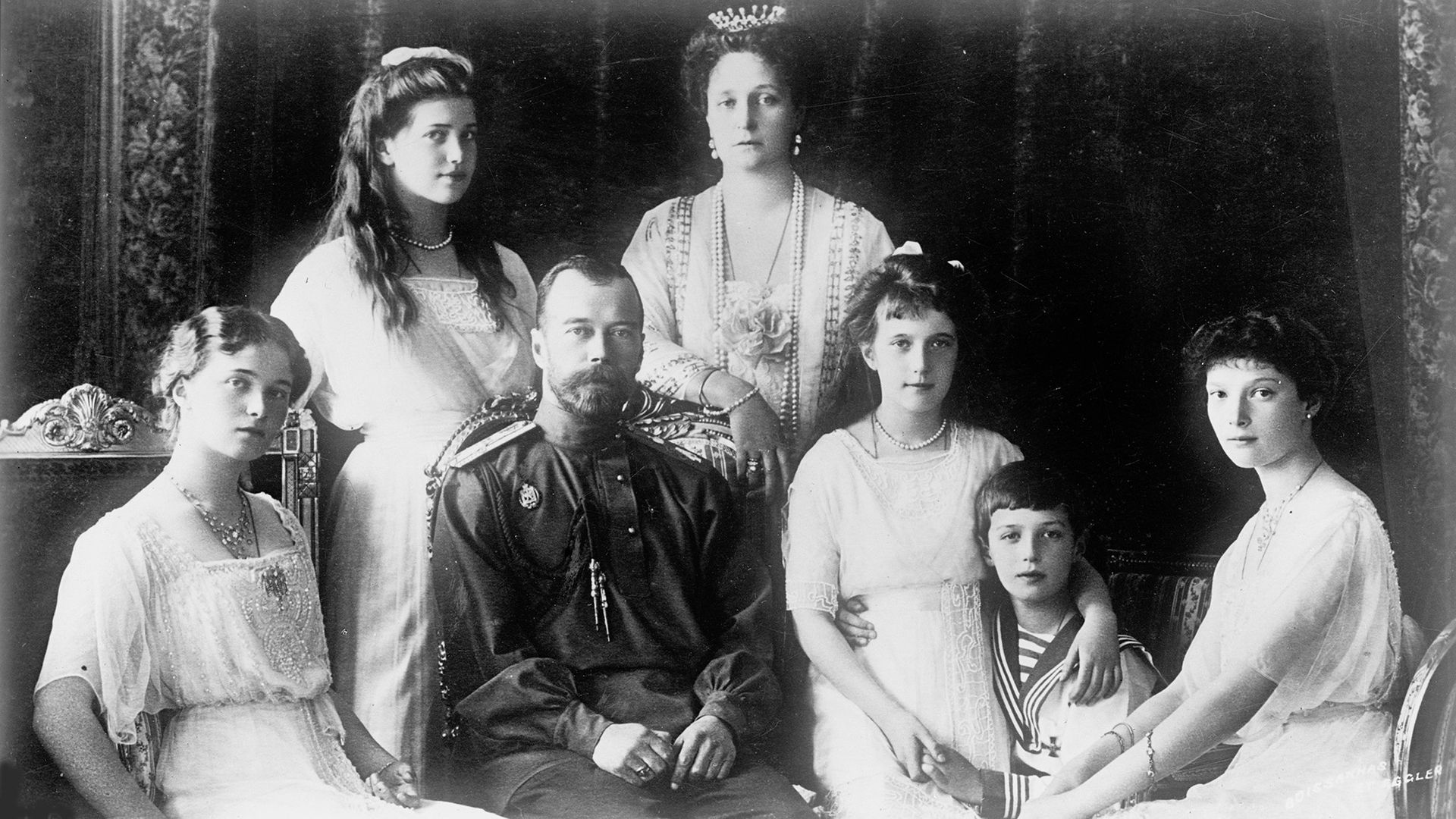
In 1918, Russian imperial family members were executed in Yekaterinburg and buried in a secret grave. Seventy years later, skeletal remains of nine individuals were discovered. Researchers used DNA analysis to confirm the identities.
Turi King, director of the Center for Evolution at the University of Bath, describes the genetic investigation in an excerpt from her book "The Secrets of Our DNA: How Genetics Has Changed the World" (Pegasus Books, 2026). Erika Hagelberg, King's Cambridge lecturer, led one of the first major cases combining mitochondrial DNA and DNA fingerprinting to identify human remains.
Russian forensic scientists initially examined the bones and teeth to estimate age and sex. They found expensive dental work with gold, platinum and porcelain on some remains, suggesting aristocratic origins. The skeletons showed evidence of violence, including bullet holes and bayonet wounds.
The U.K. research team used the amelogenin genetic sex test to confirm the skeletons' sex (four male, five female). DNA profiling revealed a family group of two parents and three children, plus four unrelated individuals (the doctor and staff).
To prove the remains belonged to the Romanovs, researchers analyzed mitochondrial DNA from living relatives. Prince Philip, husband of the late Queen Elizabeth, was related to Tsarina Alexandra through the female line. His mitochondrial DNA matched the remains of the tsarina and her daughters.
Two other female-line relatives of Tsar Nicholas II also provided samples. Princess Xenia Cheremeteff Sfiris and James Carnegie, 3rd Duke of Fife, had mitochondrial DNA that matched the tsar's remains, with one exception. The tsar carried a heteroplasmy at one position, meaning some of his mitochondrial DNA showed different bases. This rare condition did not negate the match. The probability that the remains were the Romanovs ranged from 70 to 1 through to 840,000 to 1 in favor.