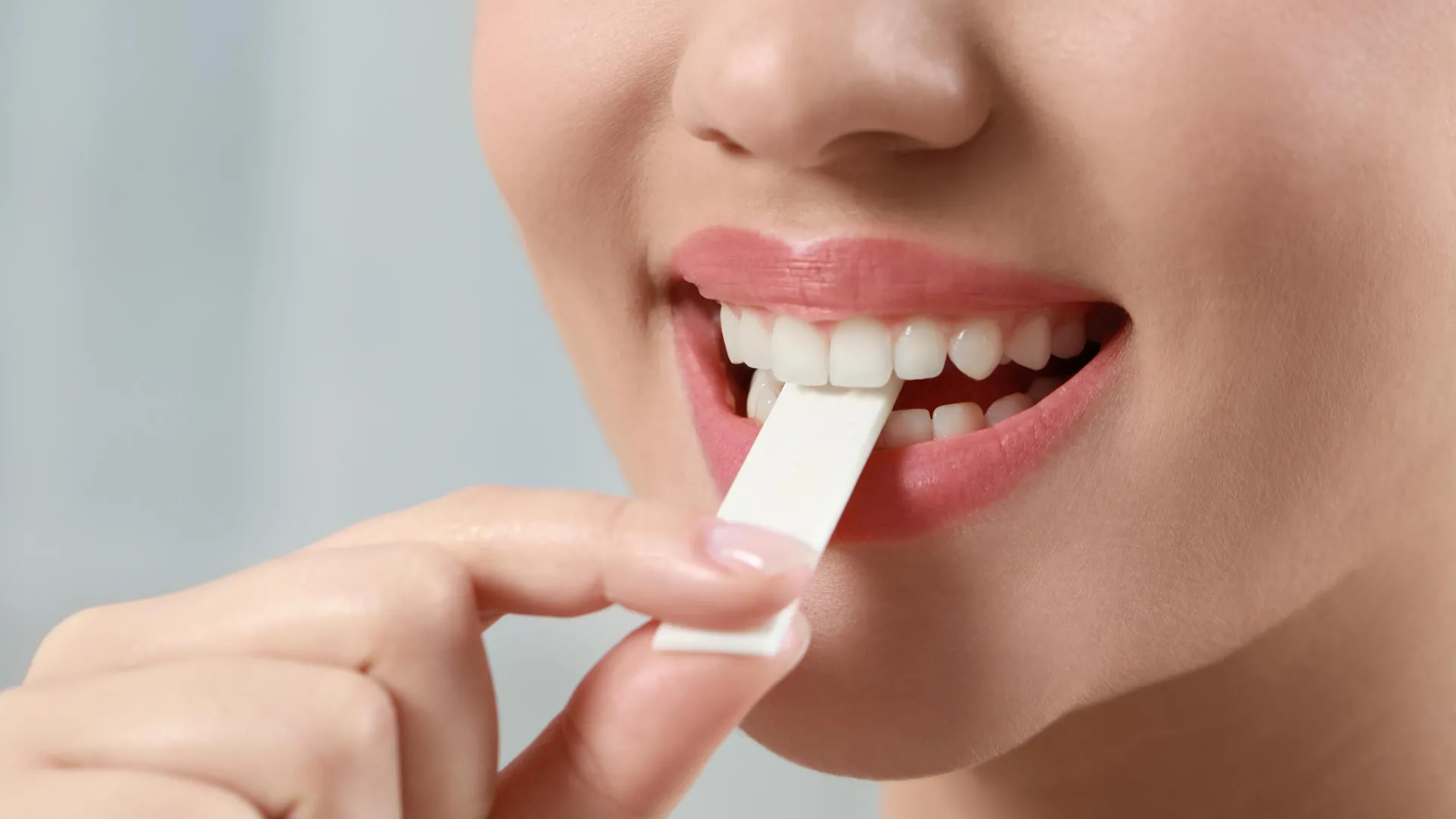
Laboratory tests show that specially engineered chewing gum containing plant-based proteins reduced human papillomavirus levels by up to 93% in samples from head and neck cancer patients. An enhanced version of the gum nearly eliminated two harmful bacterial species, Porphyromonas gingivalis and Fusobacterium nucleatum, while leaving beneficial oral bacteria unharmed.
The research, led by Henry Daniell at the University of Pennsylvania's School of Dental Medicine, appears in Scientific Reports. The gum is made from lablab beans and contains FRIL, a naturally occurring protein with antiviral properties. A modified version includes protegrin, an antimicrobial peptide that attacks harmful microorganisms.
Head and neck squamous cell carcinoma affects tissues lining the mouth and throat. HPV infection links to rising oropharyngeal cancer rates globally, and the two bacterial species tested worsen survival rates in some cancer patients even after surgery and supplemental therapies. Daniell notes that recently approved cancer medications have generally failed to produce major improvements in patient quality of life or five-year survival rates.
The results came from laboratory testing of patient samples rather than clinical trials with human subjects. Daniell states that the findings "support the value of advancing these therapies to clinical trials as adjuvants with current treatments or as prophylaxis to prevent infection and transmission." He notes that lip and oral cavity cancer ranked as the seventh leading cancer type in incidence and mortality for adolescents, young adults, and middle-aged adults worldwide in 2022.
The team included researchers from the University of Kansas Medical Center, UCLA, and the Veterans Administration Greater Los Angeles Healthcare System. The work was supported by the National Institutes of Health, UCLA's Academic Senate, and the National Cancer Institute.