Archaeologists unearthed evidence of cannabis use dating back 2,800 years from a monumental tomb in the Uyuk valley of southern Siberia, pushing back the known timeline of the drug's psychoactive use by three centuries.
The research team, led by Gino Caspari at the Max Planck Institute of Geoanthropology in Jena, Germany, published their findings in Science on November 5. They discovered the evidence at the Tunnug archaeological site, where a royal burial mound contained four wooden structures with log coffins. Horse skeletons lay atop the structures as part of a Scythian funeral tradition involving animal and human sacrifice.
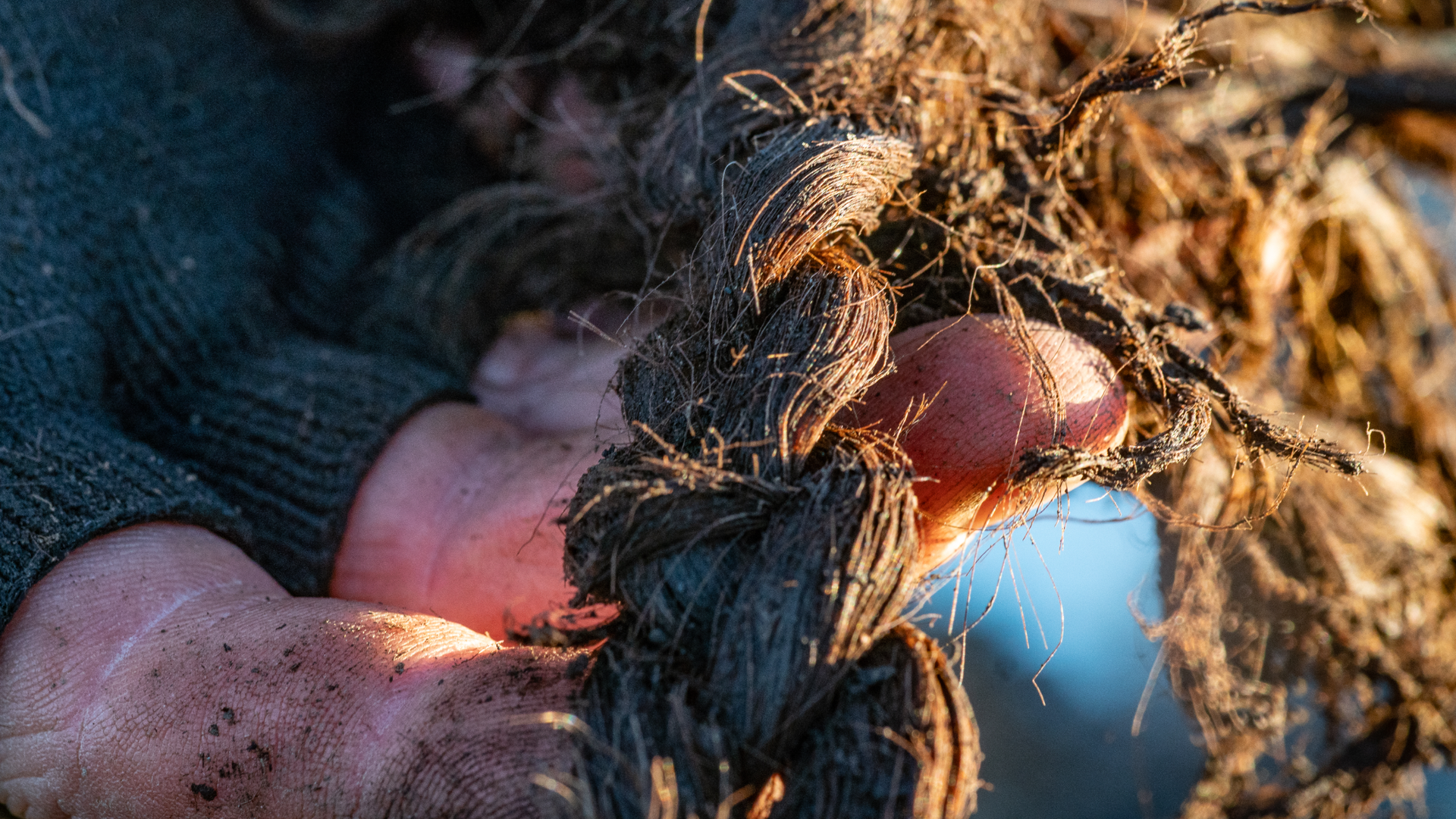
Inside the burial structures, archaeologists found more than 1,000 whole cannabis seeds and around 500 partial seeds from Cannabis ruderalis, a wild cannabis variety. Carbon dating placed the seeds between 800 and 760 B.C. Analysis of human hair samples recovered from the grave revealed traces of cannabinol and THC, the psychoactive compounds in cannabis.
"The molecular traces in the hair and the cannabis seeds come from the same grave and suggest that cannabis was used for its intoxicating properties," Caspari said in a statement.
The burial context suggests a darker application. "In this princely tomb, the burials were accompanied by extensive horse sacrifices and, most likely, human sacrifices as well," Caspari noted. The researchers propose that cannabis may have been used to calm individuals destined for sacrifice rituals.
Previous evidence of cannabis psychoactive use came from a Chinese cemetery dated to around 500 B.C. and from Herodotus's fifth-century B.C. account of Scythian practices. Caspari indicated that future work will involve sequencing plant samples to learn more about the domestication and spread of cannabis.