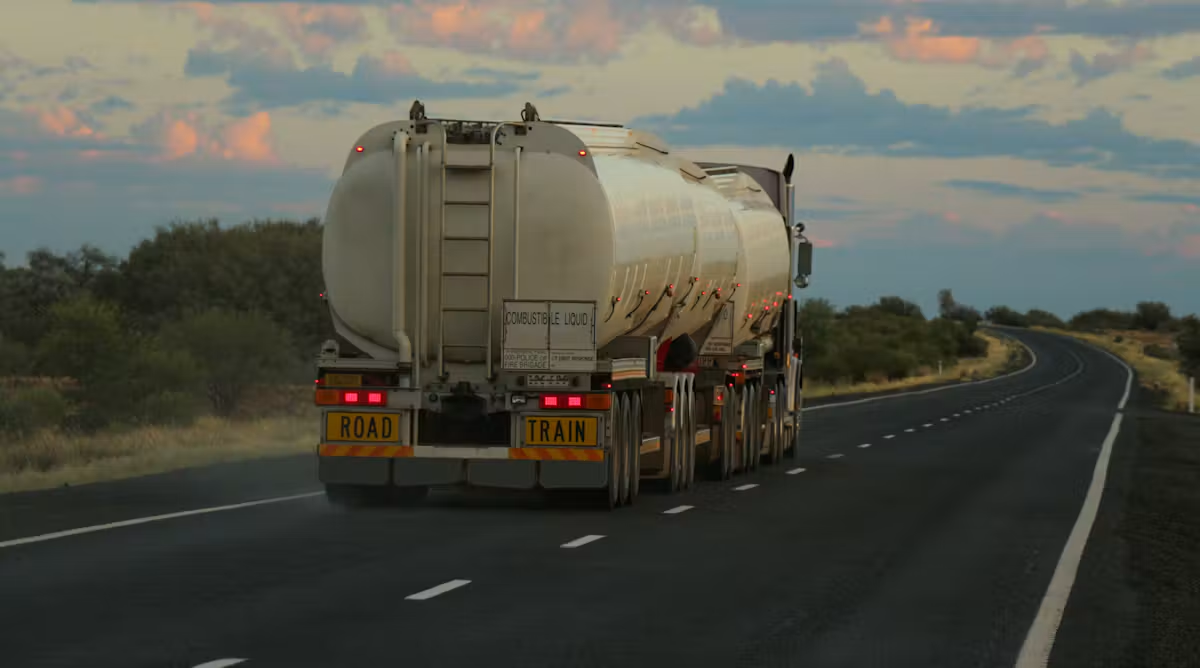
Australia imported around 28 billion litres of diesel last year and is now the world's top importer of seaborne diesel. The fuel comes primarily from the Persian Gulf and Russia, but recent geopolitical disruptions have upended those supply chains and driven prices sharply higher.
Diesel prices in Australia reached A$3.20 a litre this year and remain around A$2.79, nearly a dollar more than the previous year. Between March and August, Australia paid an extra A$9 billion for diesel imports, according to the Climate Council, roughly twice what any other country paid and equivalent to A$324 per Australian.
The disruptions stem from two conflicts. In February, Iran closed the Strait of Hormuz, blocking most crude and diesel shipments through the Gulf. Ukrainian drone strikes have also damaged Russian refineries, which was the world's largest diesel exporter in 2025, shipping about 734,000 barrels a day. By October, Russian exports had collapsed to just 2% of seaborne diesel worldwide, down from 12% the previous year.
Analysis of over 21,000 diesel shipments since January 2025 shows the United States and Asian refineries have filled the gap. The US now exports about 50% more diesel than its 2025 average and is the world's top diesel exporter as of October. Asian refineries increased their share of seaborne diesel from 28% before the war to almost 40% by October.
Australia's supply remains steady at around 488,000 barrels per day between March and October, but comes from shifting sources. South Korea now supplies almost half of Australia's diesel imports, up from 29% in 2025. India supplied 46,000 barrels daily in 2025 but none since July.
Vulnerabilities persist. South Korean refineries depend on the Middle East for over half their crude oil. In October, President Trump announced a deal allowing Russia to send 1.8 million tonnes of diesel to the US, though Australia has banned Russian oil imports since 2022. Trump had considered a diesel export ban in September before ruling it out in October.
The author, Lurion De Mello, Senior Lecturer in Finance at Macquarie University, argues Australia should rapidly boost diesel storage, broaden suppliers, and reduce diesel demand through electrification of transport and mining equipment.