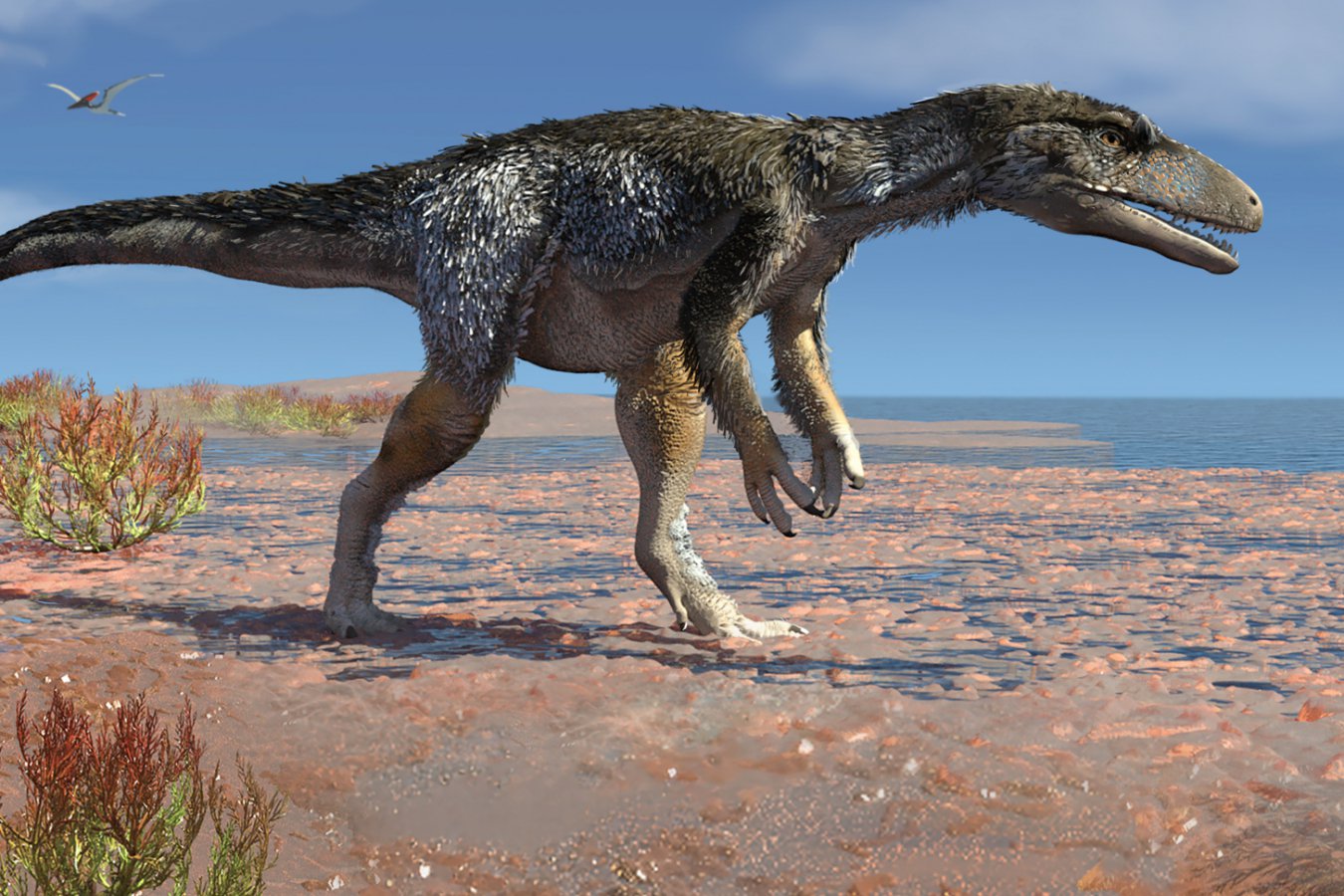
Kliti Grice at Curtin University in Perth, Australia, and her colleagues isolated red blood cells from a 115-million-year-old leg bone of a theropod dinosaur called Aratasaurus museunacionali found in Brazil in 2008. The cells represent the oldest dinosaur red blood cells recovered to date, predating previously found specimens from 75 million and 68 million years ago.
The fossil came from a juvenile Aratasaurus, estimated at just over 3 metres in body length and weighing about 34 kilograms. When Grice used hydrochloric acid to dissolve surrounding rock, she found 20 red blood cells on a single slide measuring just a fifth of a millimetre wide. All cells were located within fossilised blood vessels.
Liquid chromatography-mass spectrometry analysis detected haem B, a component of haemoglobin that binds oxygen, providing molecular confirmation of the cells' identity. The team ruled out contamination by comparing molecules inside and outside the bone. Cells found outside contained chlorophyll-derived compounds from algae in the surrounding sediment, while those inside the bone contained haem-derived molecules.
The Aratasaurus red blood cells were significantly larger than those of living birds and crocodiles, the dinosaur's closest modern relatives. This size difference could indicate the cells swelled during fossilisation or that the species grew much larger than the studied specimen.
Grice noted that museum collections contain numerous nondescript fossils that may hold similar discoveries. She said the work "opens up a whole new opportunity to unlock those collections and bring modern technology and molecular techniques to these specimens."
The findings appear in the Proceedings of the National Academy of Sciences.