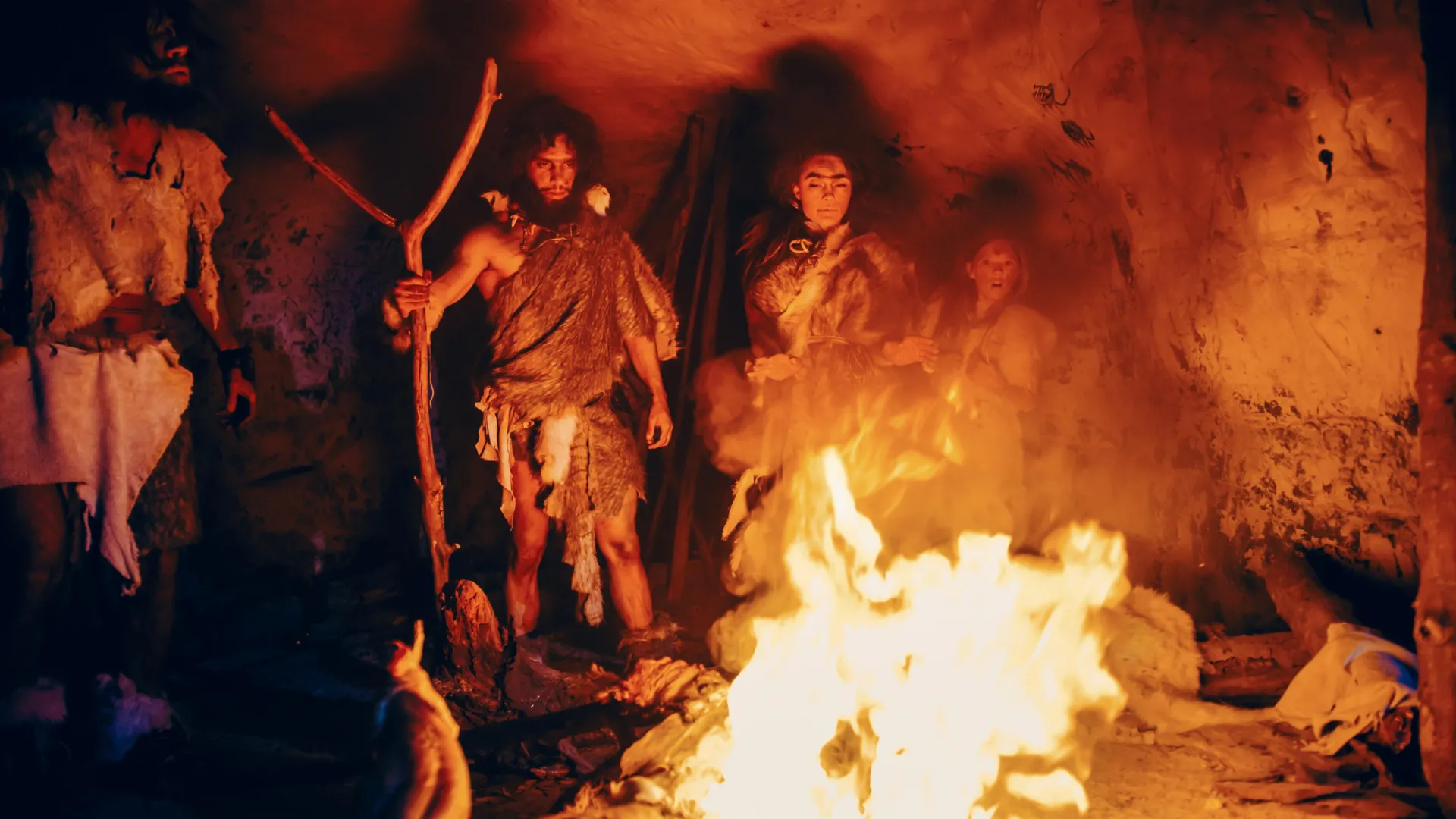
An international research team led by the University of Vienna analyzed ancient DNA from human remains and cave sediments to reveal that Ice Age Europeans were far more connected than previously thought. The findings, published in Science Advances, challenge the long-held view that eastern and western European populations remained isolated from one another during the Gravettian period, roughly 34,000 to 25,000 years ago.
The most revealing discovery came from remains of a woman who lived approximately 30,000 years ago in southwestern France at Isturitz Cave. Her genome, the oldest genome-wide genetic dataset from a modern human in southwestern Europe, contained a surprising combination of ancestry. Although most of her genetic background was associated with western European populations, she also carried ancestry linked to central and eastern Europe. Genetic modeling estimated this mixing occurred approximately 32,500 to 31,500 years ago.
"Our results show that eastern and western European populations were not as genetically isolated as previously assumed," says Pere Gelabert, first author and researcher in the Department of Evolutionary Anthropology at the University of Vienna. "Gene flow across such large distances adds a new dimension to our understanding of how Gravettian populations were connected."
The researchers identified a similar genetic signature in another individual at Ormesson, France. Combined with archaeological evidence, this strengthens the possibility that Isturitz Cave served as a gathering place where different groups encountered one another.
The team also recovered human DNA directly from cave sediments without identifiable human remains. At El Mirón Cave in Cantabria, Spain, they obtained human nuclear DNA from a sediment layer dating back approximately 22,000 years, demonstrating that western European ancestry persisted through the Last Glacial Maximum.
In southern Italy, genetic analysis of a male fetus named Ostuni1b suggested his father likely belonged to the same ancestral population as his mother but was not closely related to her. This offers evidence that mating patterns within these ancient communities may have limited inbreeding.