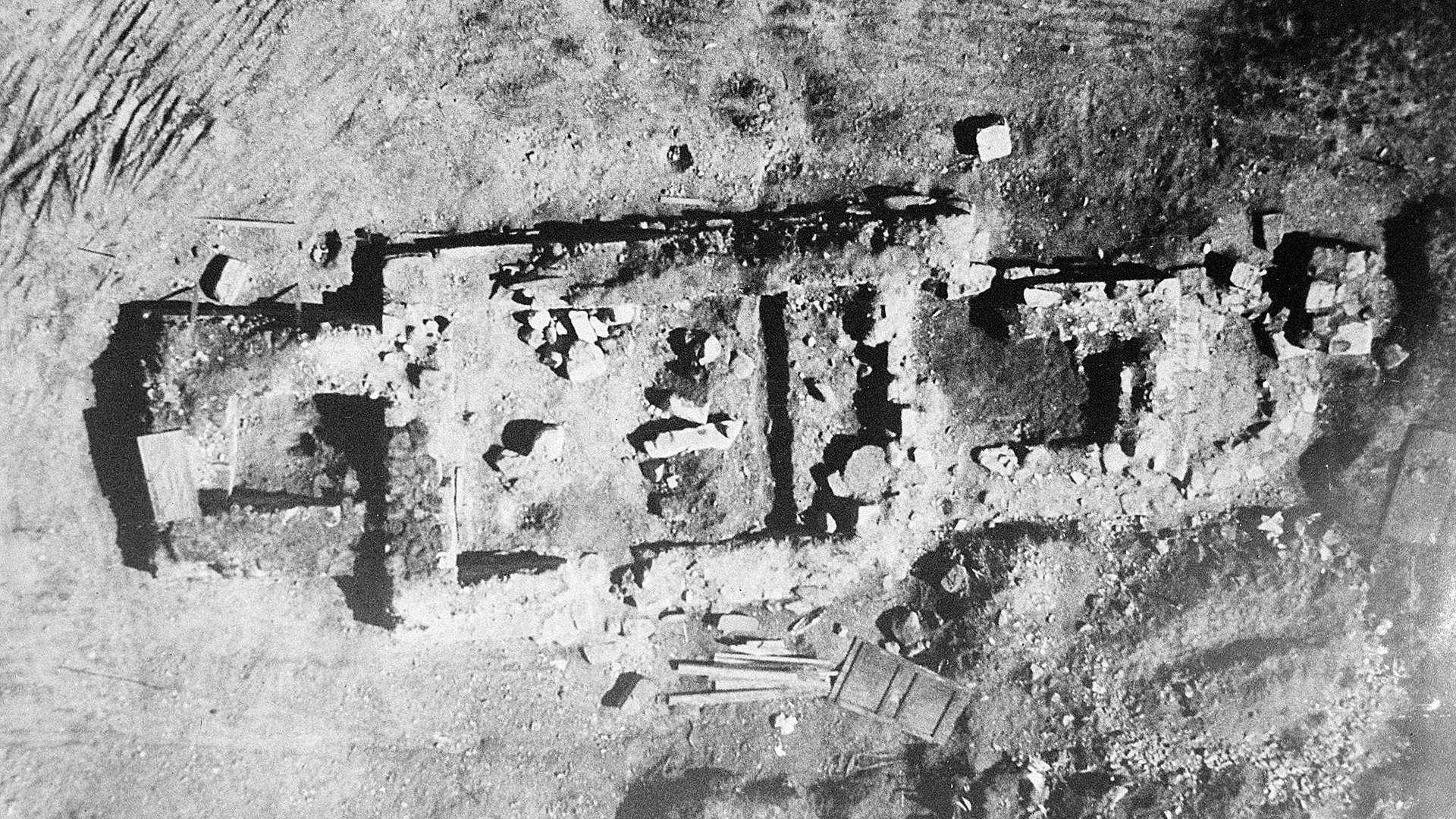
Researchers analyzing ancient DNA from medieval Swedish graves have upended assumptions about burial practices, revealing that people interred together were frequently not biological relatives despite appearing to share family ties based on burial proximity and grave goods.
The study examined skeletal remains from multiple medieval burial sites in Sweden. By sequencing mitochondrial DNA and nuclear DNA from the remains, scientists determined familial relationships among individuals buried in the same graves or burial clusters. The findings contradicted the widespread archaeological assumption that co-burial implied immediate family membership.
"We found that many individuals buried together were not related by blood," the research team documented in their analysis. Instead, burial groupings reflected social bonds, religious affiliations, or community status rather than strictly biological kinship. This discovery reshapes how archaeologists interpret medieval mortuary practices and social organization.
The research team recovered DNA from both adults and children across multiple grave sites. Several burial groups contained unrelated individuals of different ages, suggesting that medieval communities made deliberate choices about who deserved co-burial based on criteria beyond family connection. Gender appeared to play a role in these decisions. The DNA analysis revealed gender-based patterns in burial orientation, artifact placement, and grave positioning that archaeologists had not previously recognized at these sites.
One particularly compelling case emerged from the DNA work: a young woman whose remains suggested a remarkable biographical trajectory. Isotopic analysis of her bones indicated she had consumed a diet consistent with Mediterranean regions before her death in Sweden. Combined with archaeological evidence of her burial goods and her burial context, researchers hypothesize she may have undertaken a long-distance pilgrimage across medieval Europe, traveling from the Mediterranean toward Scandinavia before her death.
This work builds on growing recognition that ancient DNA fundamentally challenges narratives constructed from burial archaeology alone. Traditional interpretation of grave placement, artifact associations, and burial orientation can mislead researchers about past social structures. The Swedish study demonstrates that material evidence requires genetic verification to accurately reconstruct kinship patterns and social organization.
The research has implications for understanding medieval religious life, community formation, and gender roles. If burial decisions reflected spiritual bonds rather than family ties, it suggests medieval communities organized around religious institutions, pilgrimage networks, or other non-kinship structures more than previously understood. The evidence of cross-continental pilgrimage implies well-established medieval travel routes and religious motivation strong enough to draw individuals across vast distances.
These findings highlight the expanding power of ancient DNA analysis to reinterpret archaeological sites. As genetic sequencing becomes routine in archaeological investigations, researchers increasingly uncover discrepancies between what graves appear to show and what DNA reveals about actual relationships. The Swedish burials exemplify how molecular evidence transforms understanding of past lifeways, family structures, and social priorities.
Future research at other medieval European sites using similar DNA approaches will reveal whether these Swedish patterns represent broader medieval practices or regional particulars. The integration of genetics with traditional archaeology continues generating new frameworks for understanding how past communities structured kinship, burial, and social belonging.