# Brain's Energy Paradox During Dreams Challenges Sleep Science
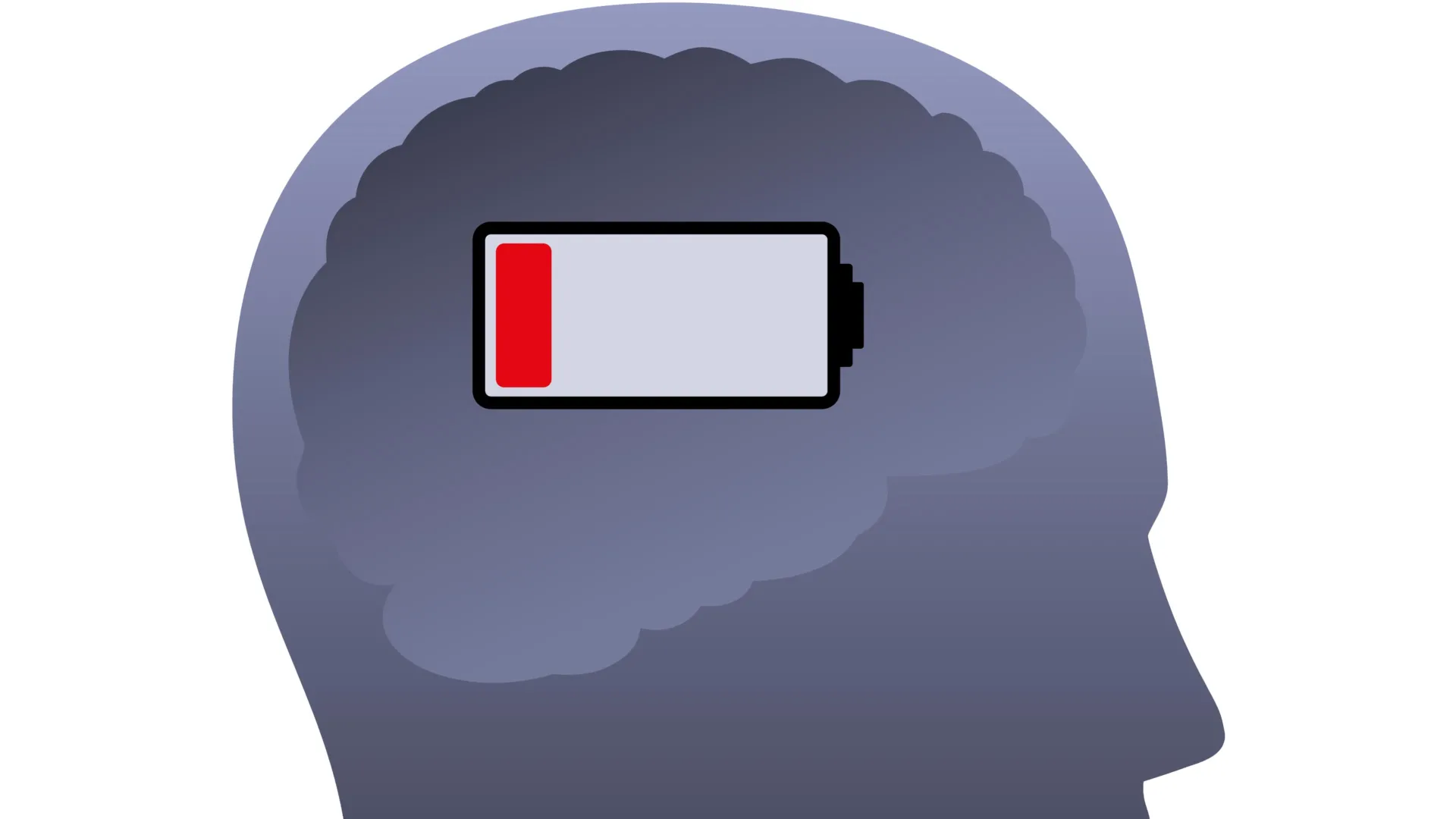
A team of neuroscientists has uncovered a counterintuitive energy puzzle in the brain during REM sleep. The research shows that while blood flow to the brain surges in preparation for dreaming, the neurons' immediate energy supply actually depletes. This disconnect between fuel delivery and fuel consumption reveals that REM sleep may demand more neural processing power than previously understood.
The study examined adenosine triphosphate (ATP), the molecule cells use as their primary energy currency. Researchers observed that ATP levels drop sharply even as cerebral blood flow increases before and during REM sleep. This paradox suggests neurons burn through available energy at a rate that outpaces the brain's ability to resupply it, at least temporarily.
The finding overturns a simpler model of sleep physiology. Scientists had assumed that increased blood flow during REM sleep would automatically translate to plentiful energy for neurons. Instead, the data indicates that the brain's metabolic demands during dreaming create a kind of energy bottleneck. The neurons appear to consume ATP faster than the circulatory system can deliver glucose and oxygen needed to generate new ATP molecules.
The research team identified this pattern through advanced neuroimaging techniques that allowed them to measure both blood oxygenation and ATP availability in real time. The precise methodology enabled them to track the temporal relationship between vascular changes and cellular energy status, revealing a lag that had escaped notice in previous studies.
This paradox carries implications for understanding what dreams actually do. If REM sleep involves such intense metabolic activity despite energy constraints, the neural processing happening during dreams must serve important functions. Current theories suggest REM sleep supports memory consolidation, emotional processing, and cognitive development. The energy demands uncovered by this research imply that these functions require computationally expensive brain activity.
The finding also raises questions about sleep disorders and neurological conditions. REM sleep abnormalities appear in several disorders, including depression, Parkinson's disease, and narcolepsy. If the ATP bottleneck represents a normal part of REM sleep physiology, then dysregulation of this energy system could underlie some sleep pathologies. Researchers may eventually develop interventions targeting the mechanisms that manage neural energy during REM sleep.
Limitations of the current work include the animal models used in initial studies. Most experiments on sleep metabolism use mice or other rodents, which have different brain structures and sleep architecture than humans. Translating these findings to human neurobiology requires additional research, possibly through non-invasive neuroimaging studies in sleeping human subjects.
The next phase of investigation will likely focus on understanding how neurons tolerate this temporary energy deficit without damage, and whether therapeutic approaches could modulate REM sleep metabolism in patients with sleep-related disorders. The paradox also invites closer examination of what happens to neurons when the ATP supply cannot keep pace with demand, and whether this process explains the distinctive features of REM sleep architecture.