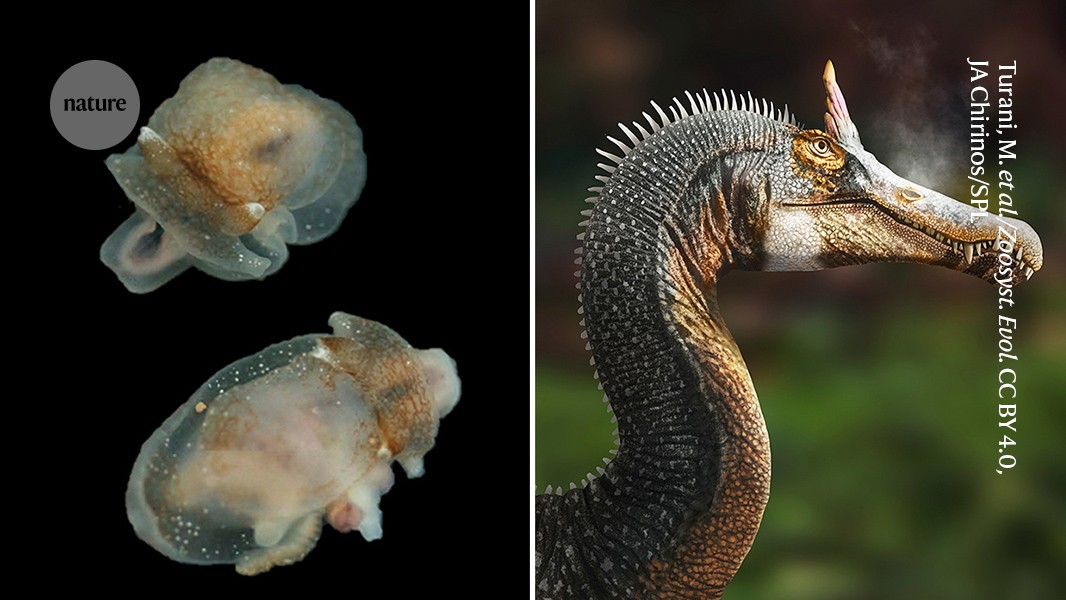
Bryan Gee, a palaeontological researcher at the Burke Museum of Natural History and Culture in Seattle, analysed more than 4,200 research papers published since 2000 describing 8,331 new extinct species. His preprint, posted to bioRxiv this month, found that dinosaurs and other charismatic extinct species are over-represented in high-profile journals relative to specialist publications.
In Science and Nature, more than 50% of fossil species described were Avemetatarsalians (the group including dinosaurs and birds) and mammaliamorphs (which includes mammals and relatives). In specialist journals such as the Journal of Vertebrate Paleontology and the Journal of Paleontology, these groups accounted for only 15% of species described, while invertebrates like molluscs and arthropods made up more than half.
Gee says the bias warps research incentives in palaeontology. "You get a Nature paper, you probably get a tenure-track job," he noted. He argues this potentially drives early-career researchers away from working on less-captivating species.
Francesca Cesari, chief biological, clinical and social sciences editor for Nature, stated that "editorial decisions as to which papers are published are made independently based on the quality and significance of the research presented, and following a rigorous peer-review process." Representatives for Science declined to comment. The preprint has not been peer reviewed.
A 2022 analysis by palaeobiologists Nussaïbah Raja-Schoob and Emma Dunne at Friedrich-Alexander University Erlangen–Nuremberg argued that pressure to publish spectacular finds in high-profile journals favours charismatic fossils over other species, potentially encouraging researchers to overlook questions about fossil provenance, legality, and accessibility.