# Pomegranate Compound Shows Promise for Stubborn Heart Failure in Animal Study
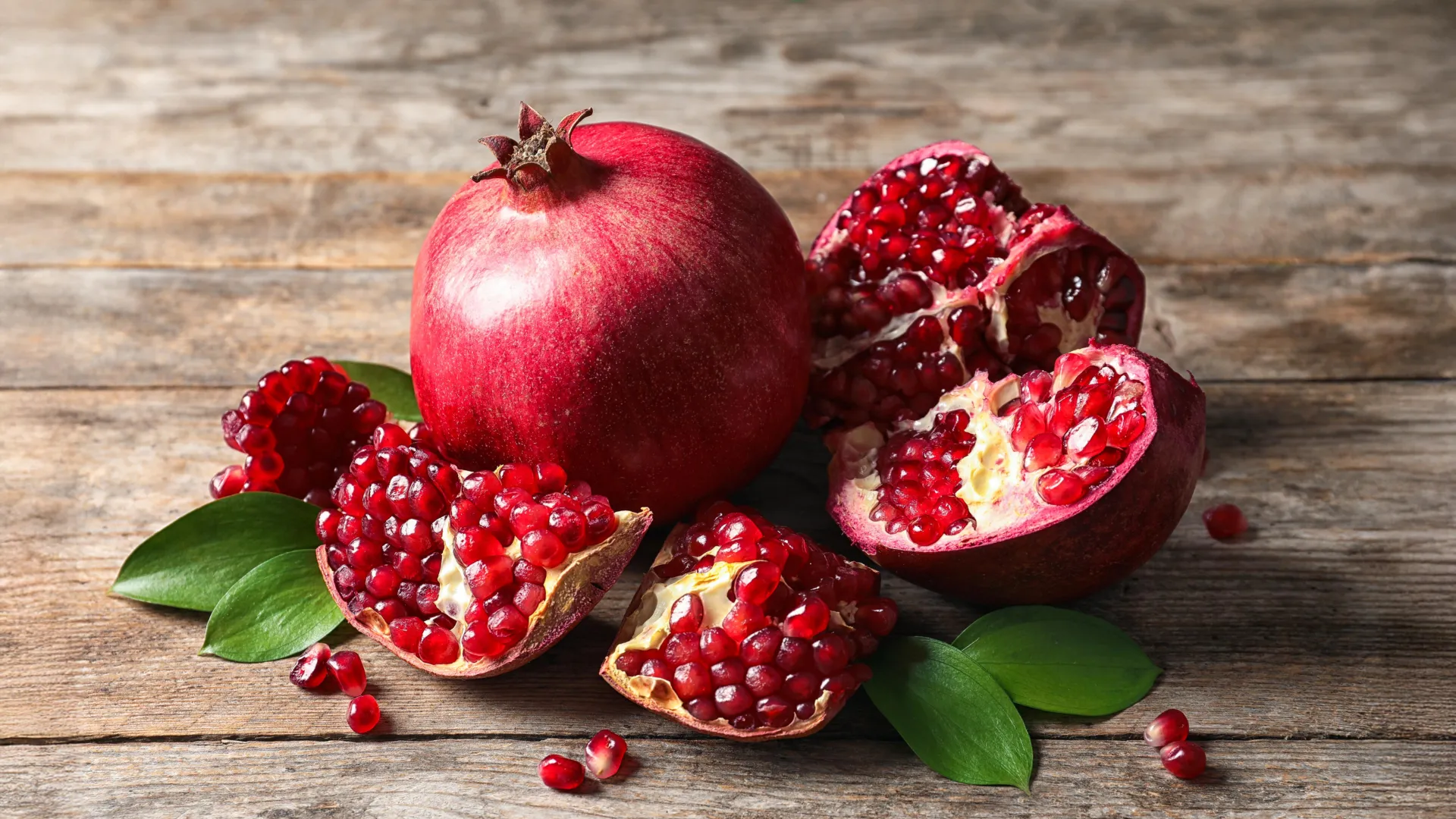
Urolithin A, a compound the body produces when digesting pomegranates, walnuts, and certain berries, improved heart function by up to 80% in animal models of diastolic heart failure, according to new research. The compound helped stiff heart tissue relax, reduced scarring, and prevented abnormal enlargement in the treated subjects. Tests on engineered human heart tissue confirmed the same beneficial effect.
Diastolic heart failure occurs when the heart muscle becomes stiff and cannot relax properly between beats, preventing the organ from filling adequately with blood. This condition affects millions worldwide and remains difficult to treat with existing medications. Most heart failure drugs target systolic dysfunction, where the heart fails to pump blood effectively, leaving diastolic cases relatively neglected.
Urolithin A works through a cellular process called mitophagy, which selectively removes damaged mitochondria, the powerhouses of cells. This cleanup mechanism appears to restore normal function in cardiac muscle cells that have accumulated defective mitochondria over time. The compound essentially resets the metabolic state of heart tissue, allowing it to regain elasticity and contract more efficiently.
The research team demonstrated the effect across multiple models. In living animals with diastolic heart failure, Urolithin A treatment restored measurable improvements in how well the heart relaxed during its filling phase. When applied to human heart tissue grown in the laboratory, the same compound produced equivalent relaxation improvements, suggesting the mechanism translates across species.
Diastolic heart failure disproportionately affects older adults and those with high blood pressure or diabetes. Current treatment options rely on blood pressure medications and diuretics that manage symptoms rather than address the underlying stiffness. The 80% improvement represents a dramatic response compared to existing therapies, though animal studies frequently show larger effects than eventually appear in human trials.
The natural source of Urolithin A matters for practical applications. Pomegranates, walnuts, and berries contain precursor compounds called ellagitannins that gut bacteria convert into Urolithin A. However, this conversion varies significantly between individuals based on their microbiome composition. Some people produce large amounts; others produce almost none. This biological variation means supplementing with pomegranate juice alone would not benefit everyone equally.
Pharmaceutical development offers a solution. Researchers can synthesize Urolithin A directly, bypassing the unreliable gut conversion process. This approach allows precise dosing and ensures consistent delivery. Clinical trials in human patients with diastolic heart failure could begin within several years if preliminary safety testing proceeds smoothly.
The study adds to growing evidence that targeting mitochondrial health represents a viable strategy for age-related diseases. Aging hearts accumulate dysfunctional mitochondria, driving the progression toward heart failure. Urolithin A's ability to selectively clear these damaged structures addresses a root cause rather than just managing consequences.
Limitations include the reliance on animal models, which cannot fully replicate human heart disease complexity. The engineered tissue studies used isolated cells rather than intact organs with nerve and hormonal inputs that affect real cardiac function. Human trials remain necessary to confirm whether these promising laboratory results translate to meaningful clinical benefits and acceptable safety profiles.