# CRISPR Gene Therapy Halves "Bad" Cholesterol in Yearlong Trial
Researchers testing an experimental CRISPR gene therapy achieved a major win in treating stubborn cholesterol disorders. A single injection cut LDL cholesterol and triglycerides by roughly half in patients with genetic lipid conditions that resist standard drugs. The effects persisted for a full year after treatment.
The highest dose produced a 52.5% reduction in LDL cholesterol and a 47.8% drop in triglycerides. These numbers exceed what most conventional statins achieve. For patients with familial hypercholesterolemia or other inherited lipid disorders, such results could transform treatment options.
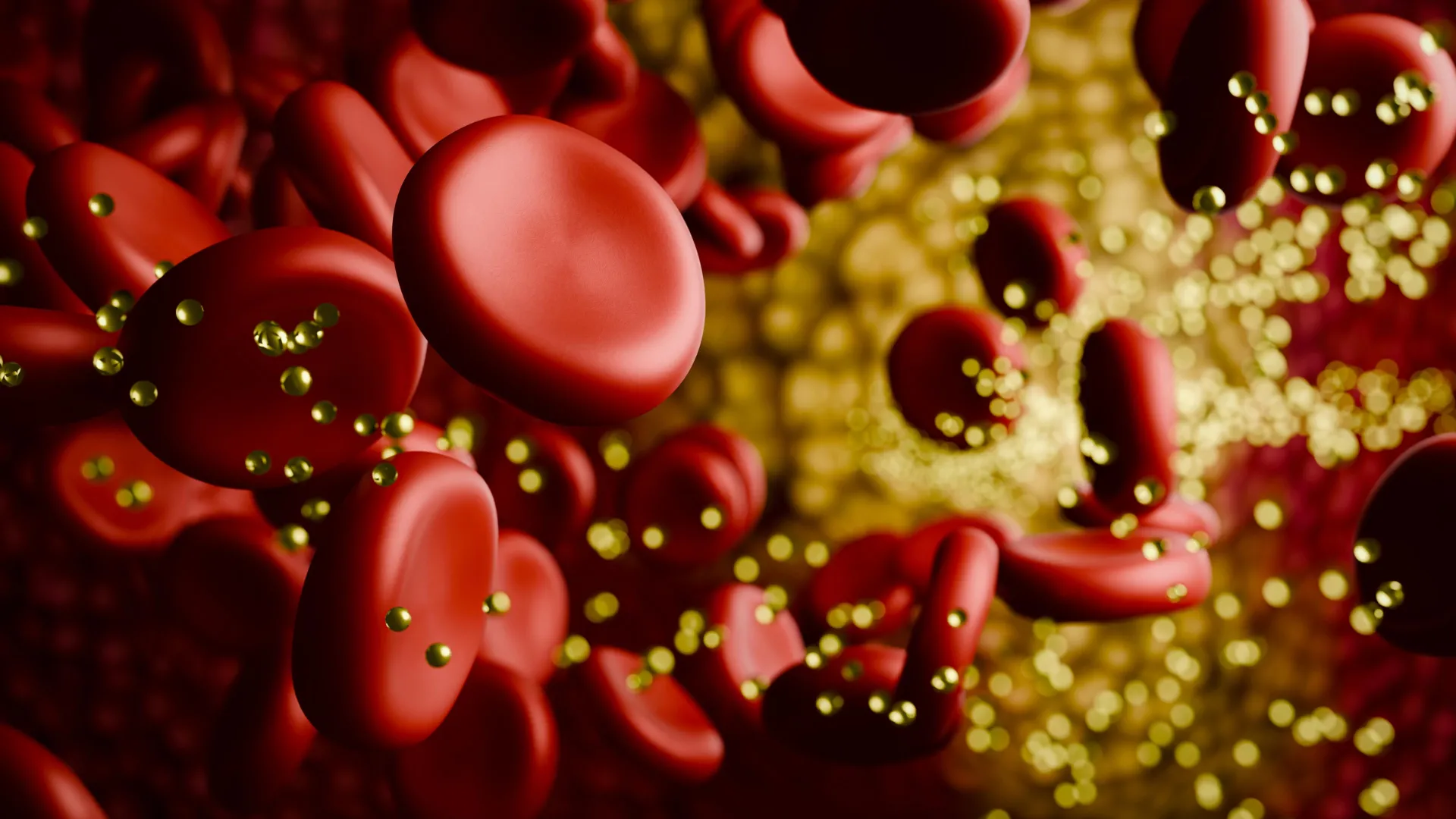
LDL cholesterol accumulates in arteries and drives heart disease. Triglycerides, another blood fat, elevate heart attack risk independently. Patients with genetic lipid disorders often inherit mutations that prevent their bodies from clearing these fats properly. Standard cholesterol drugs help but frequently fail to bring levels low enough to prevent early heart attacks. Some patients face bypass surgery in their 20s or 30s.
This trial tested a CRISPR therapy that targets the PCSK9 gene, which controls a protein that regulates LDL removal from blood. The therapy edited liver cells directly inside the body. Researchers gave patients one intravenous infusion and tracked their cholesterol levels over twelve months.
The therapy works differently than existing drugs. Monoclonal antibody drugs like evolocumab or alirocumab block the PCSK9 protein temporarily, requiring frequent injections or infusions. This CRISPR approach permanently modifies liver cells, potentially offering durable cholesterol control from a single treatment.
One year of sustained effect demonstrates durability beyond what interim data suggested. The stability matters because single-dose treatments require confidence in long-term safety and efficacy. Researchers will need to confirm effects persist beyond one year and assess whether additional doses become necessary over time.
The trial included patients with treatment-resistant lipid disorders who had exhausted other options. Most participants showed the predicted response, though variation existed. Some experienced greater reductions than others, hinting that genetic factors may influence how well the therapy works for individual patients. Identifying these factors could help doctors predict who benefits most.
Safety data remains crucial. CRISPR therapies can cause off-target cuts to DNA, and liver injection carries risks. The published results do not detail adverse events extensively, a limitation for evaluating whether the treatment trades cholesterol reduction for other harms. Researchers must complete longer safety follow-up and larger trials before regulators approve the therapy.
The field has moved quickly. CRISPR therapies for blood disorders and transthyretin amyloidosis have entered clinical use or late-stage trials in recent years. A gene-editing therapy for sickle cell disease and beta thalassemia received FDA approval in December 2023. Cholesterol treatment represents a natural next application because the liver is accessible and PCSK9's role is well understood.
The one-year data point represents a significant milestone but not a finish line. Regulators will demand multi-year safety and efficacy data from larger patient groups before approving any CRISPR lipid therapy for widespread use. Patients currently relying on frequent infusions or facing early cardiovascular disease may see this treatment become available within several years if ongoing trials maintain these results.