# Fungi Could Unlock Mars Agriculture, Scientists Say
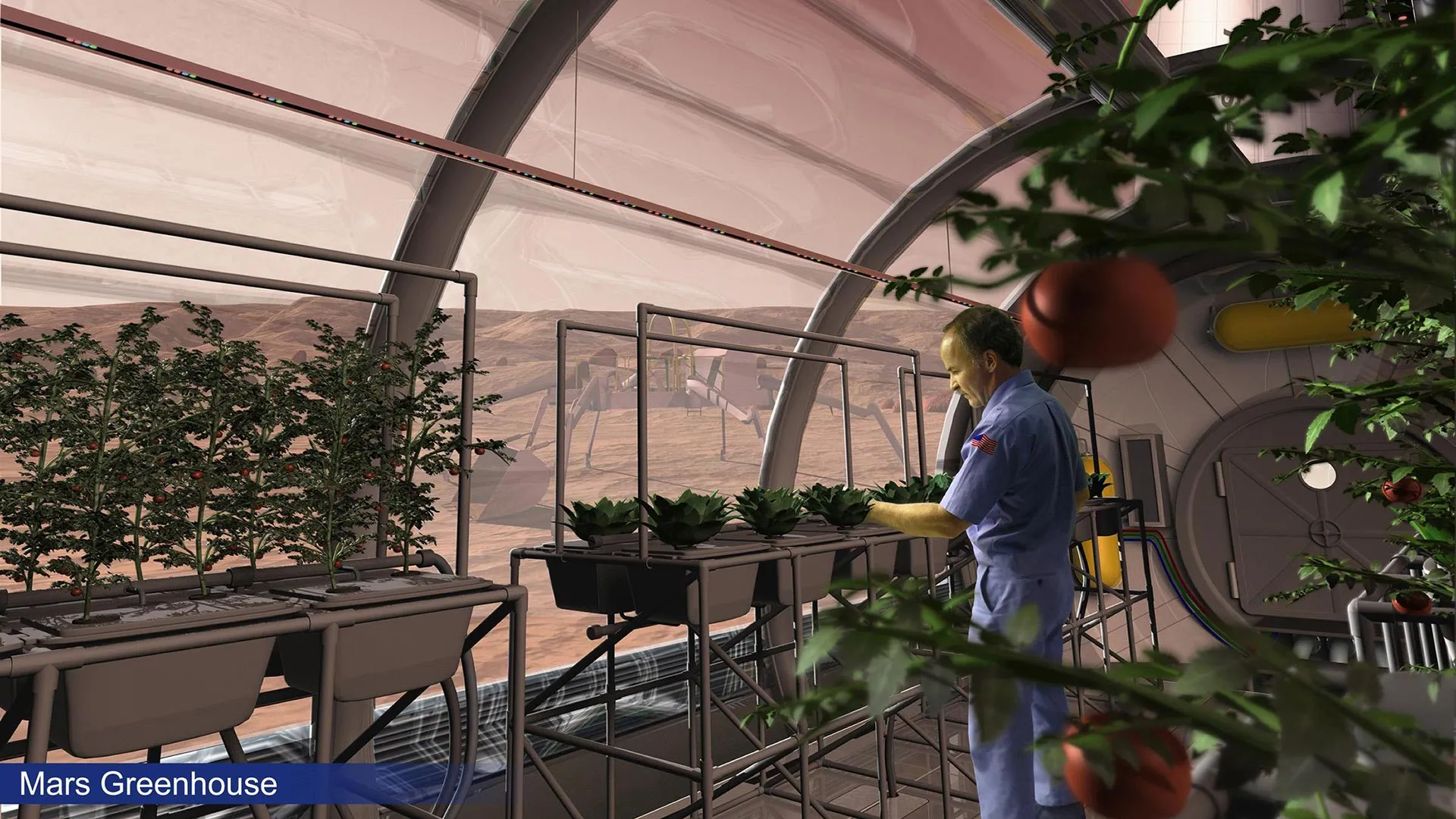
Researchers exploring solutions for off-world farming have identified a promising biological partner: beneficial fungi. These microorganisms could transform the barren regolith covering the Moon and Mars into soil capable of growing crops, offering a pathway toward self-sustaining human settlements beyond Earth.
The challenge is stark. Martian and lunar regolith lacks the organic matter, microbial communities, and nutrient cycling systems that make Earth soil fertile. A handful of Martian dirt contains virtually no nitrogen, phosphorus, or other elements plants need to survive. Simply planting seeds in this substrate fails. Astronauts would need to either import massive quantities of processed soil or develop biological solutions on-site, making fungi an attractive option.
Mycorrhizal fungi, which form symbiotic relationships with plant roots, address multiple problems simultaneously. These fungi extend underground networks called hyphae that dramatically increase a plant's ability to absorb water and nutrients from poor-quality substrates. More importantly, the fungi break down minerals in regolith through biochemical processes, releasing locked-away phosphorus and other essential elements into forms plants can use. In Earth ecosystems, these fungi-plant partnerships are fundamental to survival in harsh environments from deserts to tundra.
The secondary benefit lies in stress tolerance. Martian and lunar environments present extreme conditions: intense radiation, low atmospheric pressure, frigid temperatures, and oxidative soil chemistry. Mycorrhizal associations help host plants tolerate these stressors by improving water uptake and producing protective compounds. On Mars, where subsurface ice could be melted for water, and where protective habitats would shield crops from radiation, fungi could serve as biological intermediaries making hostile regolith habitable.
Current research builds on decades of space agriculture work. NASA and international space agencies have tested growing plants in simulated lunar and Martian regolith in controlled environments. Adding mycorrhizal fungi to these experiments showed improved plant growth compared to regolith alone. The fungi colonized root systems and visibly altered soil structure, creating aggregate formations that improve water retention and aeration.
The next phase requires identifying which fungal species perform best under simulated Martian conditions. Different fungi show varying tolerance to low pressure, radiation exposure, and the chemical composition of regolith analogues. Scientists must also determine optimal inoculation methods, timing, and the infrastructure needed to maintain fungal cultures during long-duration space missions.
This approach differs from other proposed solutions like bioengineering crops or importing Earth soil. Relying on established symbiotic relationships harnesses 450 million years of co-evolution between fungi and plants. Rather than reinventing agriculture from scratch, space farmers would essentially transport a proven Earth system to an alien environment.
The timeline remains uncertain. First human missions to Mars are decades away, and establishing functioning agricultural systems will require years of testing in increasingly realistic conditions. However, fungi represent a low-mass, self-propagating solution to one of humanity's greatest space exploration challenges. If successful, mycorrhizal networks could transform red soil into living soil, making permanent human presence on Mars genuinely feasible.