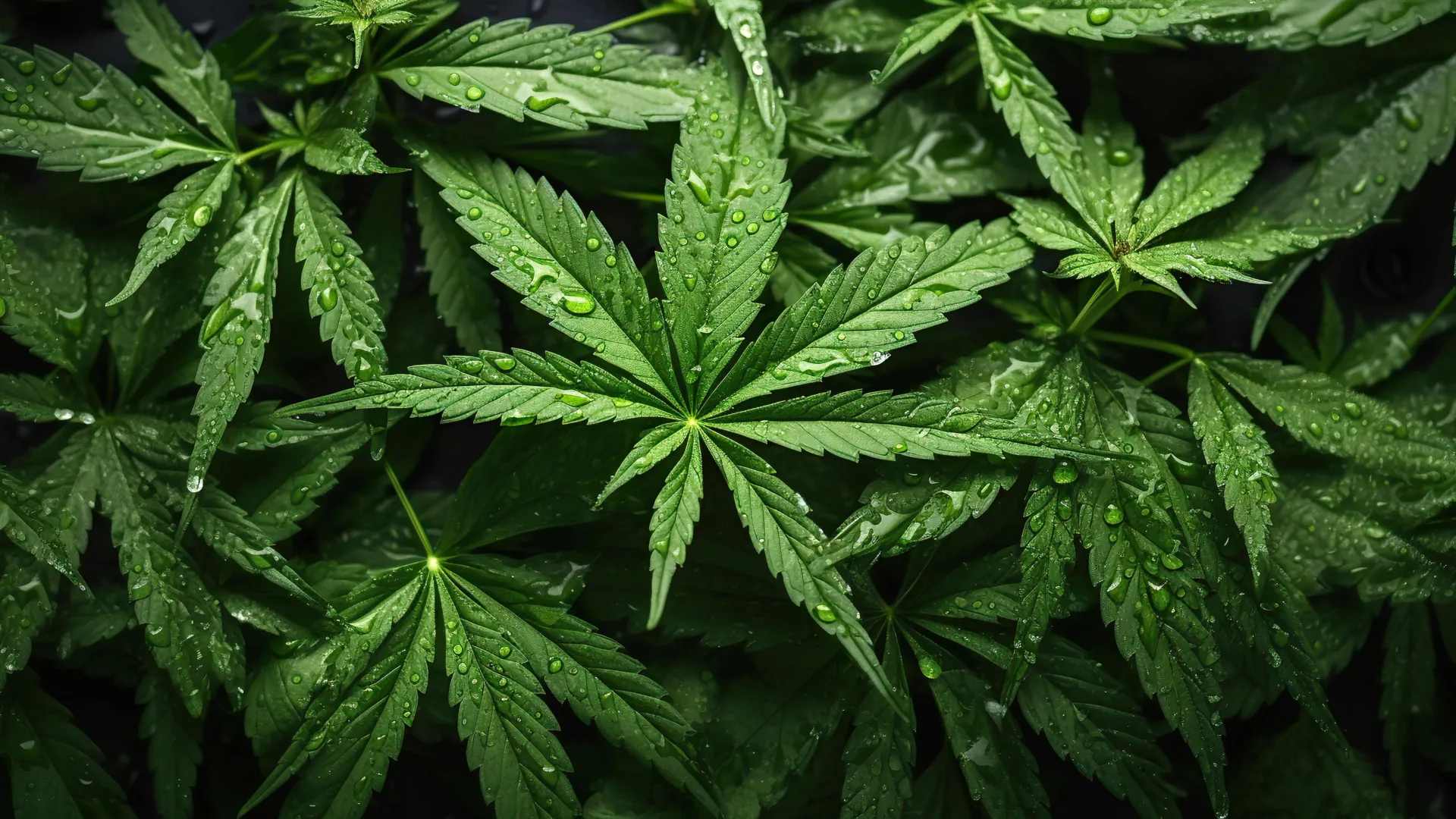
Researchers have identified rare flavoalkaloids in cannabis leaves for the first time, discovering a trove of previously unknown compounds that could reshape how the plant is processed and valued. The team found dozens of phenolic compounds never before documented in cannabis, opening new possibilities for pharmaceutical and industrial applications.
The research challenges the common practice of discarding cannabis leaves as waste material. Leaves represent a substantial byproduct of cannabis cultivation and processing. Cannabis producers typically focus extraction efforts on flowers, where cannabinoids like THC and CBD concentrate at highest levels. This new analysis reveals that leaves harbor a chemical diversity that rivals the prized flower material in certain respects.
Flavoalkaloids represent a particularly rare class of plant compounds. These molecules combine structural features of both flavonoids and alkaloids, two important classes of plant metabolites. Their presence in cannabis leaves had gone undetected until now, likely because previous research emphasized flowers and buds. The phenolic compounds identified include antioxidants and anti-inflammatory molecules with established value in medical research.
The discovery stems from advanced analytical chemistry techniques that separate and identify individual compounds within plant extracts. High-performance liquid chromatography and mass spectrometry allowed researchers to map the complete chemical profile of cannabis leaves with unprecedented precision. This methodological approach revealed compounds present in lower concentrations that traditional extraction methods might overlook.
Phenolic compounds occupy a central role in human health. These molecules reduce oxidative stress in cells and modulate immune responses. Many existing pharmaceuticals derive from plant phenolics or target the same biological pathways. Cannabis already contains well-studied cannabinoids with proven therapeutic applications for pain, nausea, and epilepsy. The newly identified compounds could expand the plant's medical utility beyond current applications.
The leaves also contain compounds that could prove valuable in cosmetics, food additives, and other commercial products. Companies currently waste this biomass or use it for low-value applications like compost. Extracting and purifying high-value compounds from leaves could improve the economics of cannabis production while reducing waste.
Several practical obstacles remain before these compounds reach clinical use. Researchers must verify that the identified flavoalkaloids actually demonstrate biological activity in living cells and organisms. Safety testing would follow any promising leads. Patent landscape considerations could complicate commercial development. Regulatory pathways for cannabis-derived products remain fragmented across jurisdictions.
The work also highlights cannabis chemistry's continuing surprises. Despite decades of research, the plant still yields novel discoveries. This reflects both the plant's chemical complexity and historical research limitations imposed by legal restrictions on cannabis science in many countries. As those restrictions ease, systematic investigation of cannabis biochemistry accelerates.
Moving forward, cultivators and processors may implement leaf collection protocols designed to preserve these rare compounds. Extraction methods could shift toward capturing this broader chemistry rather than focusing exclusively on cannabinoids. Agricultural practices might optimize conditions that increase flavoalkaloid production in leaves.
The findings represent a transition point in how the cannabis industry values its raw materials. What was formerly waste now appears as potential treasure, provided researchers can translate chemical novelty into proven medical or commercial benefit.