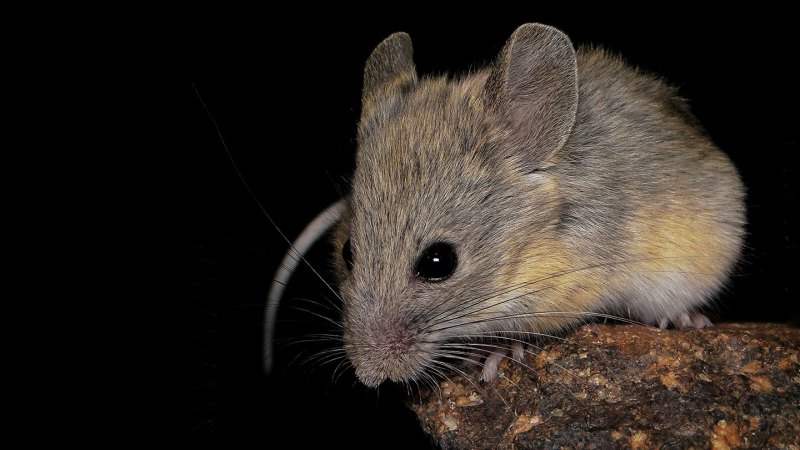
Andean leaf-eared mice possess physiological adaptations that allow them to thrive at extreme altitudes where most mammals struggle, according to research examining their metabolic capabilities. These small rodents live in the Andes Mountains at elevations above 4,000 meters, where oxygen levels drop roughly 40 percent compared to sea level.
Scientists studying these mice found two key adaptations. First, the animals generate heat more efficiently than lowland species, maintaining body temperature despite the harsh mountain environment. Second, their respiratory systems extract oxygen more effectively from thin air. The enhanced oxygen uptake appears linked to increased lung capacity and elevated hemoglobin levels, the protein that carries oxygen through the bloodstream.
The research reveals how evolution solves extreme environmental challenges. Rather than relying on a single mechanism, Andean leaf-eared mice employ multiple coordinated physiological strategies. Their enhanced heat production prevents dangerous drops in core body temperature. Their improved oxygen extraction enables sufficient cellular energy production despite atmospheric constraints.
These adaptations develop rapidly in young mice, suggesting both genetic and developmental flexibility. The animals adjust their physiology during growth, fine-tuning their systems for mountain living. This plasticity helps explain how populations can establish themselves at altitude within relatively few generations.
The findings have implications beyond basic biology. Understanding how animals cope with low-oxygen environments informs research on human altitude adaptation and high-altitude pulmonary edema. Some human populations in the Andes show similar physiological changes, including enhanced oxygen utilization.
The study demonstrates that extreme environments select for integrated physiological solutions rather than isolated traits. Andean leaf-eared mice represent a natural experiment in adaptation, showing how metabolic rate, oxygen transport, and heat regulation work together. Their success at 4,000 meters reveals the remarkable plasticity of mammalian physiology when survival demands it.