# Hidden Cell Skeleton May Block Alzheimer's Damage
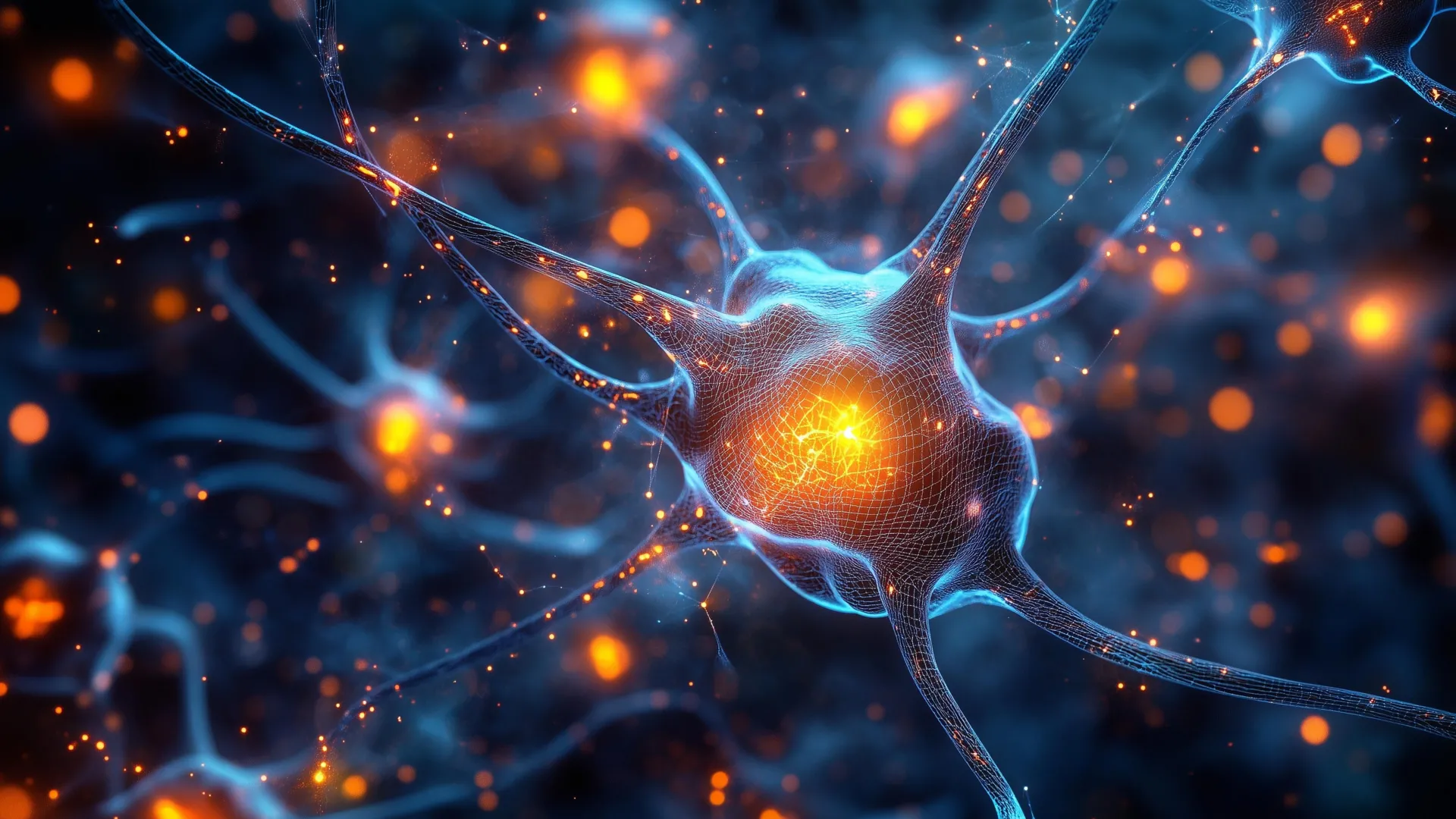
Researchers have identified a previously underappreciated role for the cytoskeleton, the microscopic framework that provides structural support inside neurons. Rather than simply maintaining cell shape, this protein network acts as a selective gatekeeper controlling what substances brain cells absorb and when they absorb them.
When this cytoskeletal barrier weakens, neurons rapidly accumulate harmful proteins linked to Alzheimer's disease. This discovery suggests that reinforcing this cellular gatekeeper could prevent the protein buildup that drives neurodegeneration.
The cytoskeleton consists of protein filaments including microtubules and actin networks that span the cell interior. Scientists had understood these structures provided mechanical support, but new research reveals they regulate molecular transport into cells. The study found that neurons with compromised cytoskeletal integrity lose their ability to control protein intake, allowing toxic Alzheimer's-associated proteins to accumulate rapidly.
This finding reframes how researchers think about early Alzheimer's pathology. Rather than focusing solely on what happens after harmful proteins enter neurons, stabilizing the cytoskeleton offers a preventive approach by stopping unwanted molecules from entering in the first place.
The research opens potential therapeutic pathways. Drugs that strengthen cytoskeletal components could potentially maintain the gatekeeper function, preventing neurons from absorbing damaging proteins before symptoms develop. This approach complements existing Alzheimer's research targeting amyloid-beta and tau protein accumulation.
The study builds on growing evidence that cellular housekeeping mechanisms, often overlooked in neurodegenerative disease research, play critical roles in brain health. By understanding how neurons control molecular traffic, scientists may identify intervention points earlier in the disease process than currently possible.
Researchers emphasize that while these findings are promising, translating cytoskeleton stabilization into effective treatments remains years away