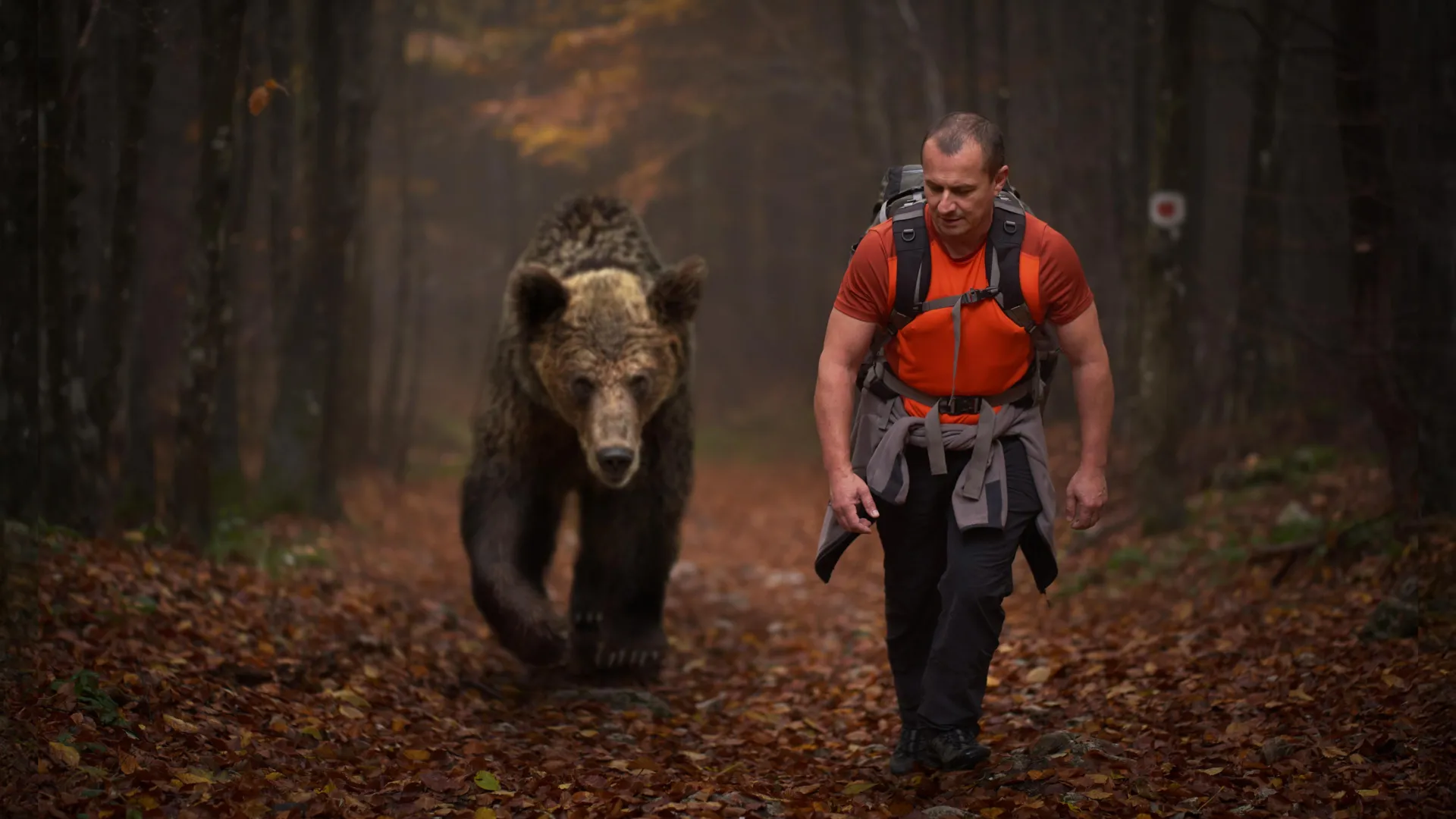
Humans possess the label of planet Earth's ultimate super-predator, but new research reveals the reality proves more nuanced. Scientists analyzing thirty years of behavioral studies found that wild animals calibrate their fear responses based on the actual threat level humans present.
Animals display heightened alertness and reduced feeding time when encountering hunters and fishers, groups that pose genuine mortality risks. These predatory humans trigger consistent, strong defensive behaviors across species. The opposite holds for tourists, researchers, and other non-lethal human visitors, who provoke weak and inconsistent reactions in wildlife.
The research synthesizes decades of field observations documenting animal behavior in human-occupied landscapes. The findings challenge the assumption that all human presence equally frightens wild populations. Instead, animals appear capable of distinguishing between humans based on behavioral cues and learned experience.
This distinction carries practical implications for conservation and wildlife management. Protected areas hosting tourists may experience different ecological impacts than regions frequented by hunters. Tourist disruption remains real, yet pales compared to the behavioral shifts triggered by lethal predation pressure.
The study suggests animals possess contextual risk assessment abilities. They recognize which human encounters genuinely threaten survival versus which represent manageable disturbances. This cognitive flexibility reflects evolutionary adaptation to human-dominated ecosystems spanning millennia in some regions.
Understanding these nuanced fear responses helps managers balance conservation goals with human access to natural areas. The research indicates that not all human-wildlife interactions carry equal ecological weight. Researchers emphasize that while humans retain the super-predator designation due to our hunting capacity and ecosystem dominance, our actual ecological impact varies sharply depending on the type of human presence.