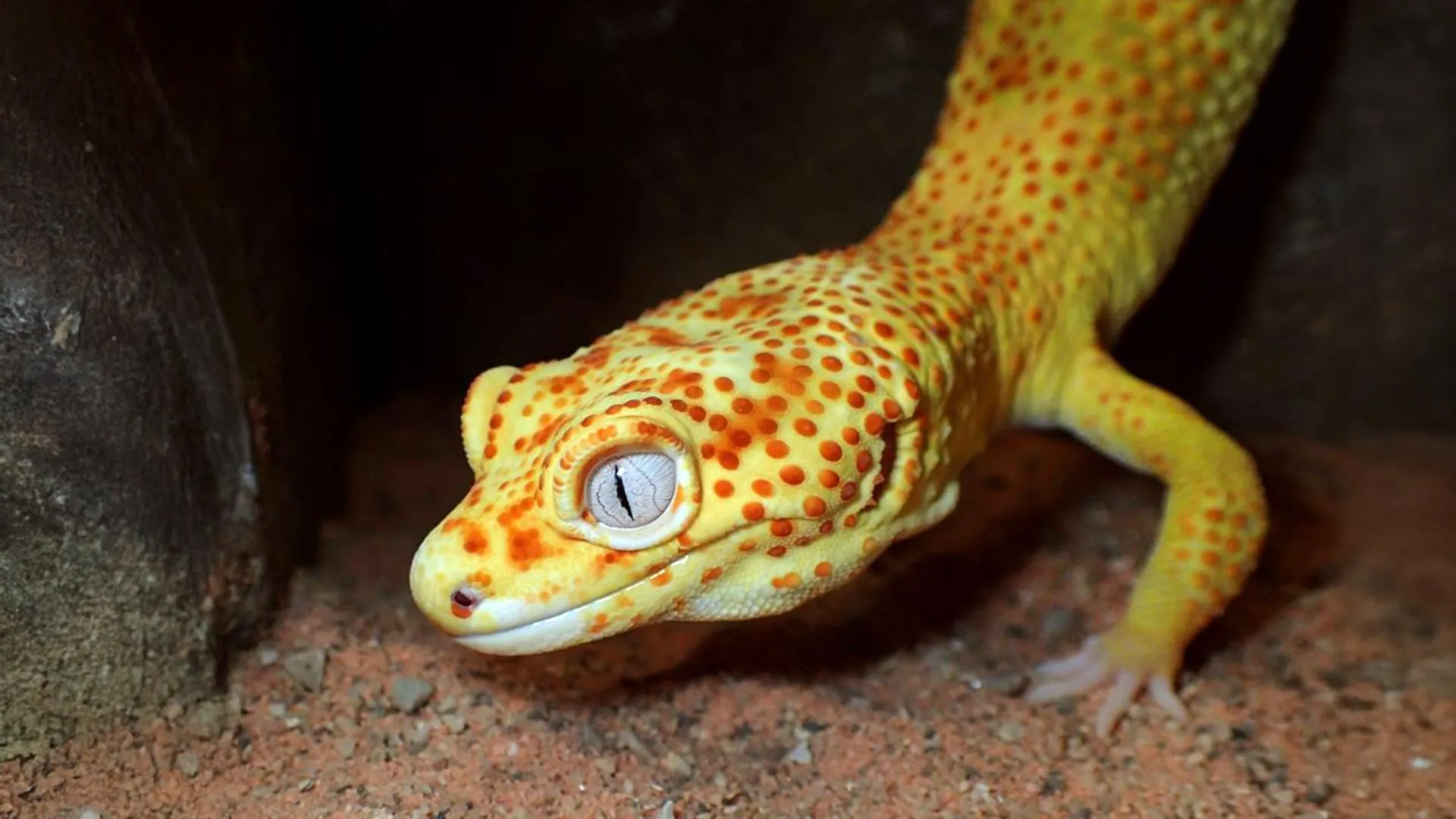
Researchers have identified a leopard gecko that spontaneously develops aggressive tumors carrying genetic mutations found in human cancers. This discovery provides scientists with a novel animal model to study how tumors form and progress in a living organism.
The gecko's tumors share critical genetic alterations with human malignancies, making it valuable for cancer biology. Unlike laboratory mice engineered to develop specific cancers, this gecko exhibits natural tumor formation, allowing researchers to observe disease progression without artificial genetic modifications.
The finding emerged from systematic study of wild and captive gecko populations. Scientists documented that certain leopard geckos developed tumors at higher rates than other reptiles, prompting genetic analysis of the affected animals. Sequencing revealed mutations in tumor suppressor genes and oncogenes that parallel those driving human cancers.
This discovery holds implications for understanding cancer development across species. Reptile models offer distinct advantages over traditional mammalian systems. Their different physiology, immune systems, and metabolic rates may reveal how cancers develop under conditions distinct from mice or rats. Natural tumor development also avoids complications from genetic engineering.
The research team plans expanded studies examining tumor progression in these geckos. They will track how tumors evolve genetically and phenotypically over time, potentially identifying early warning signs and intervention points applicable to human oncology.
Limitations remain. The gecko population with high tumor rates appears small, potentially limiting sample sizes for some studies. Translating gecko biology to human medicine requires careful consideration of species differences. Additionally, researchers must establish whether the genetic mutations are sufficient to cause tumors or whether environmental factors contribute.
This work exemplifies how studying disease in unexpected organisms can advance medicine. Natural animal models sometimes reveal patterns missed in controlled laboratory settings, opening new research directions for cancer biologists investigating fundamental disease mechanisms.