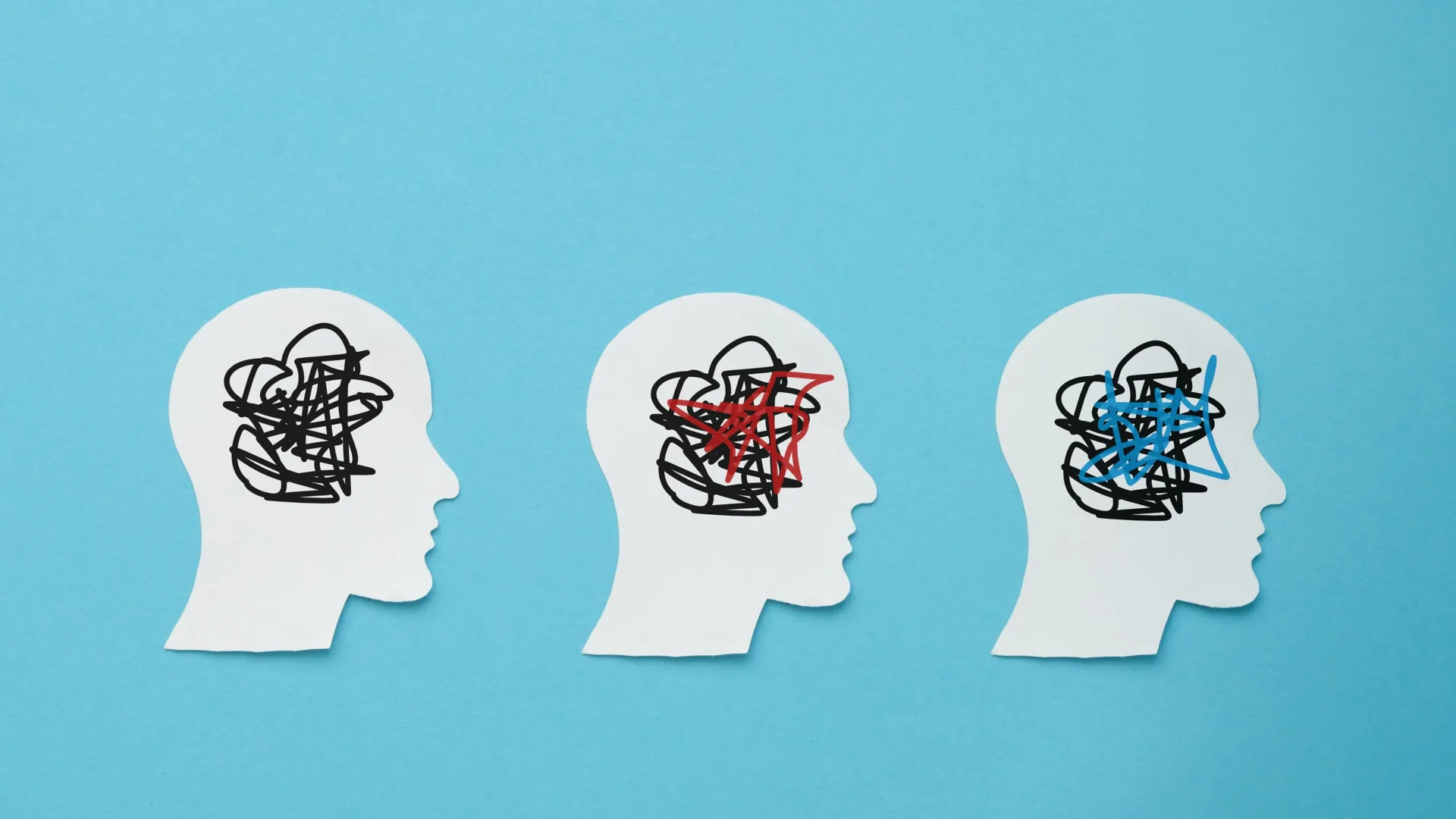
Stanford Medicine researchers identified three distinct biological brain types, or biotypes, in children with ADHD, anxiety disorder, or both conditions. The study, published in Nature Mental Health, examined thousands of functional magnetic resonance imaging (fMRI) scans to map brain circuit disruptions.
Yong Jiao, a postdoctoral scholar at the University of Iowa, led the research. Co-senior authors Yu Zhang, assistant professor of psychiatry and behavioral sciences at Stanford, and Jing Jiang, assistant professor of pediatric neurology at the University of Iowa, directed the work.
The team analyzed 3,508 children already diagnosed with ADHD, anxiety, or both when they enrolled in the Adolescent Brain Cognitive Development study. They also examined 693 children who developed one or both conditions later and 1,947 children who never received either diagnosis. All participants underwent fMRI scans and cognitive assessments.
Using an artificial intelligence model, researchers identified patterns of brain connectivity linked to two dimensions of dysfunction: cognitive-behavioral dysfunction and emotion-attention dysfunction. These patterns produced three distinct biotypes: the externalizing-disinhibited biotype, characterized by impulsivity and aggression; the internalizing-distressed biotype, marked by anxiety and perfectionism; and the mixed biotype, involving attention difficulties and irritability.
Notably, children diagnosed with ADHD, anxiety, or both could belong to any of the three brain biotypes, though some patterns were more prevalent in particular diagnoses.
The most surprising finding emerged when researchers examined brain scans from children who had not yet been diagnosed. The distinctive biological patterns were already detectable in their initial scans before diagnosis.
"We think this means we may be able to use the biotypes as an early indicator of these conditions," Zhang said. "It could help us provide more timely intervention for these conditions and slow down or, we hope, even reverse their progression."
Zhang stated the biotypes should not replace symptom-based diagnoses but instead complement them. Finding the right ADHD or anxiety medication currently requires considerable experimentation. Future clinical trials could investigate how different treatments affect specific brain activity patterns, potentially helping doctors match therapies to individual biotypes.