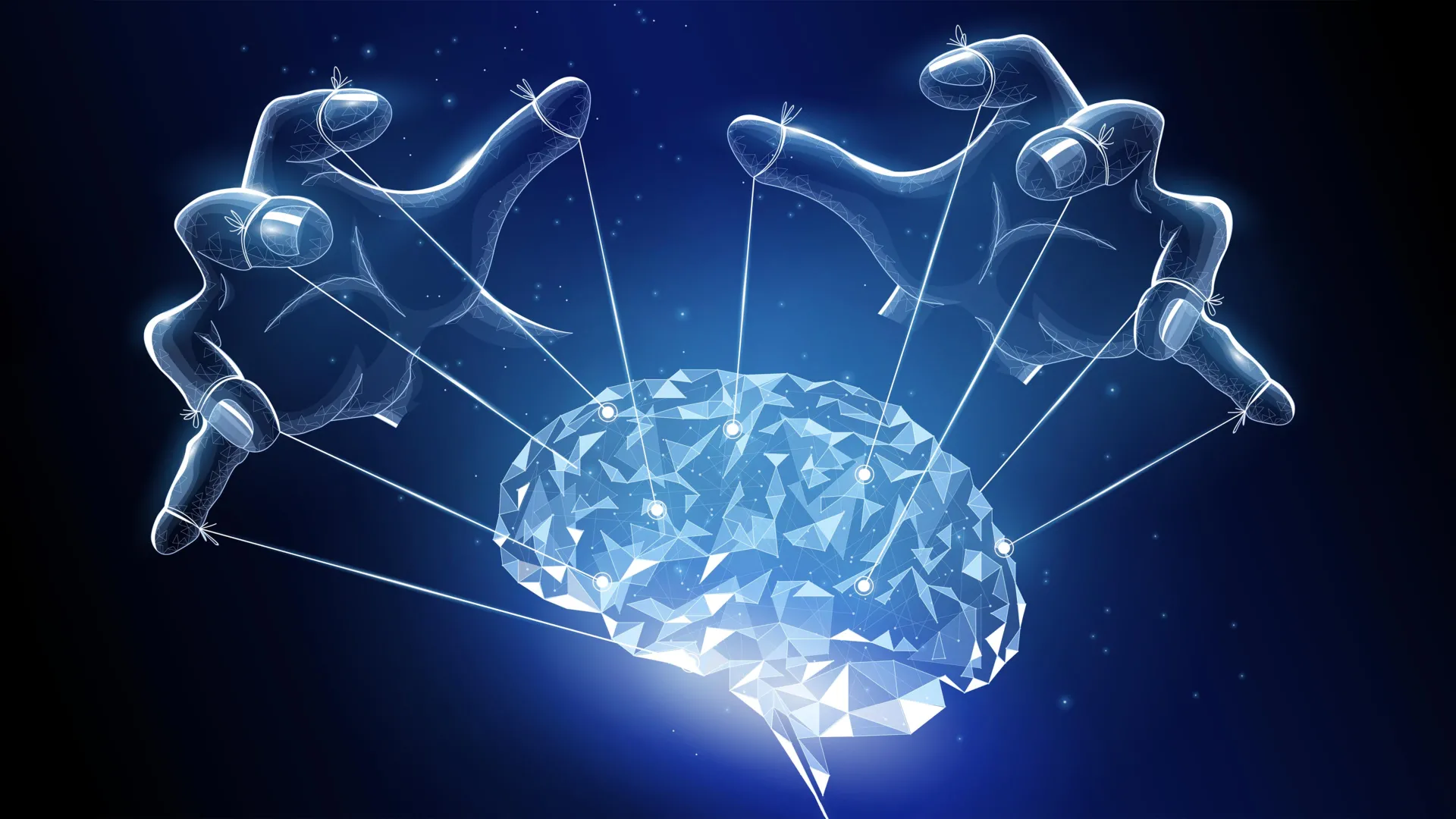
Researchers studying brain activity during decision-making found that free choices and forced choices activate the brain in strikingly similar ways, according to research published in Imaging Neuroscience.
The team recorded electrical brain activity while people chose between colored balloons. In one condition, participants freely selected between two different balloons. In another, they were forced to pick a single balloon. Brain signals unfolded identically in both cases, climbing steadily to the same peak level just before the choice was made.
The pattern matches what neuroscientists call evidence accumulation. The brain gradually gathers support for each option, like a loading bar building toward a decision threshold. When participants chose quickly, the signal rose faster. When they took longer, it climbed more slowly.
This similarity between free and forced decisions suggests that the neural machinery underlying choice may be more automatic than conscious experience suggests. The findings align with decades of research showing the brain accumulates evidence gradually during simple decisions like judging a traffic light's color.
However, the researchers note an important distinction. Although the decision-making process appears automatic in both cases, what distinguishes a free choice is the source of the evidence being weighed. In free decisions, the brain accumulates evidence drawn from internal factors: personal preferences, goals, and experiences. In forced decisions, the brain simply identifies and selects the only available option.
The noisy nature of neural activity also explains why preferences alone do not determine choices. Brain signals fluctuate between alternatives, partly accounting for inconsistency in decisions even when preferences remain stable.