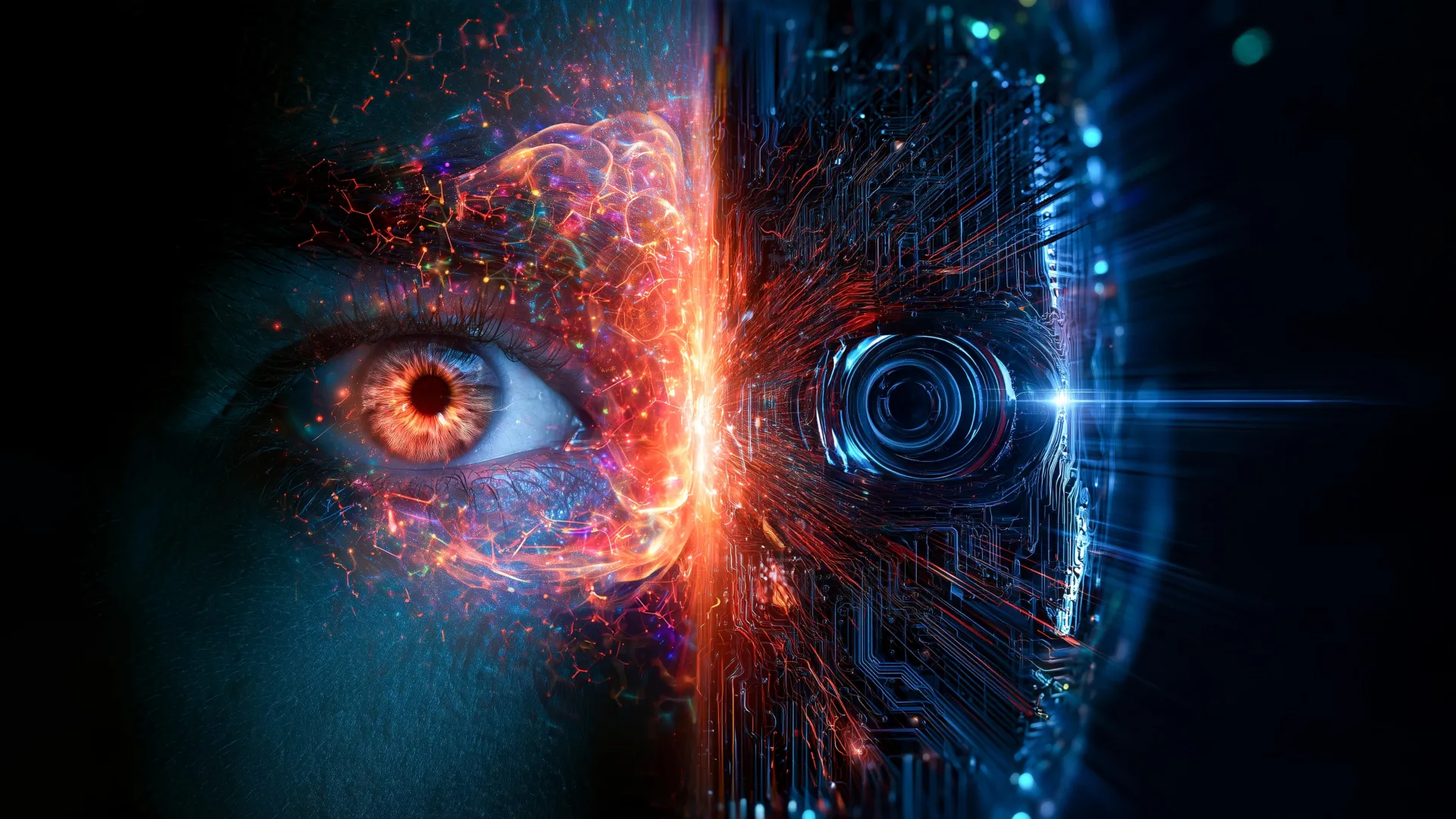
Dr. Gerard Marx of MX Biotech Ltd. and Professor Chaim Gilon of the Department of Chemistry at the Hebrew University of Jerusalem propose that human memory operates through chemical interactions between neurons, astrocytes, and surrounding molecules, not just electrical signals. Their review, "Consciousness, Memory and Intelligence: A Mechanistic Perspective," suggests the brain uses a process they call the Tripartite Mechanism of Memory, which involves interactions between brain cells, extracellular molecular material, and chemical messengers including neurotransmitters and metal ions.
The researchers argue that biological memory contains emotional associations encoded alongside cognitive information. A scent can trigger feelings of happiness. A frightening memory can produce immediate physical reactions. This biochemical connection between memory and emotion may underlie thought formation itself.
Marx and Gilon raise a question about artificial intelligence: whether computational power alone can produce consciousness comparable to living organisms. They argue that electronic systems lack the biological structures and emotional mechanisms found in brain tissue. The researchers do not claim their theory solves the mystery of consciousness. They acknowledge that the nature of conscious life remains poorly understood. However, they propose their biochemical framework offers a path to investigate how living brain tissue transforms experience into memory and what distinguishes biological intelligence from artificial intelligence.