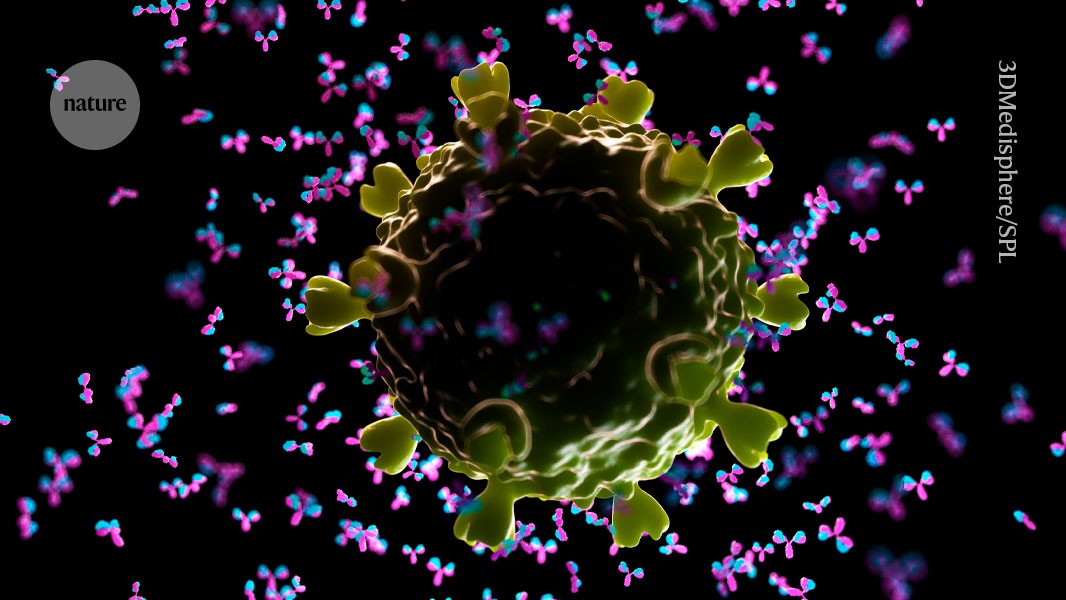
A South African woman infected with HIV in the mid-2000s has become central to vaccine development efforts. Known in scientific literature as CAP256, she developed exceptionally strong antibodies against the virus despite being unable to control infection without medication. Researchers documented her immune response through regular blood samples over several years as part of a study tracking newly acquired infections in KwaZulu-Natal province.
Scientists now aim to design HIV vaccines that trigger antibodies similar to those CAP256 produced. These antibodies could potentially block multiple HIV strains, an approach researchers believe might lead to an effective HIV vaccine. The strategy focuses on mimicking key elements of natural infections like hers to train immune systems to generate similarly potent antibodies.