The International Court of Justice ruled last week that Myanmar committed genocide against the Rohingya minority group, finding Myanmar breached its obligations under the UN genocide convention to prevent and punish genocide.
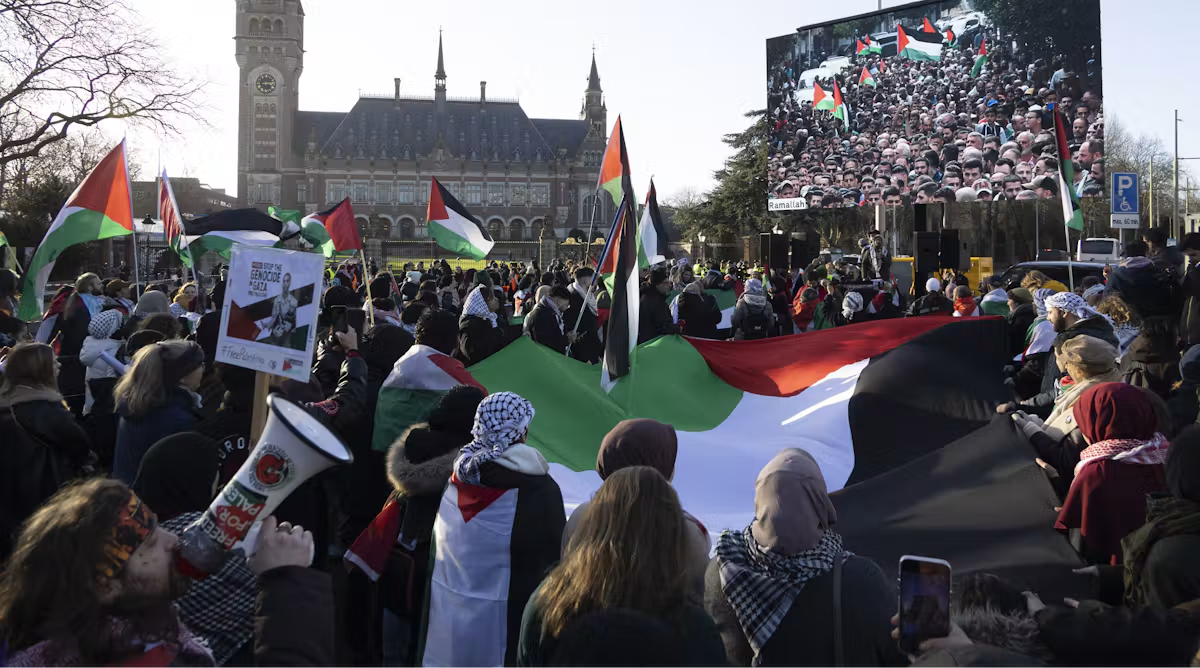
The ruling has potential legal repercussions for other genocide cases before the court, particularly South Africa's case alleging Israel committed genocide in Gaza.
Genocide requires proof of "special intent" (dolus specialis), meaning the intent to destroy a national, racial, ethnic or religious group in whole or in part. This must be proven alongside general criminal intent.
In the Myanmar case, the court considered hate speech by Myanmar authorities against the Rohingya to be incitement to genocide. The judges also examined the military's pattern of conduct. Myanmar argued it conducted a counterinsurgency operation against the Arakan Rohingya Salvation Army (ARSA), but the court determined the security forces' conduct did not align with legitimate counterinsurgency. Acts such as killing civilians including children, raping women, and destroying villages did not form part of lawful military operations.
This reasoning applies to Israel's case. Israel argues it fights in self-defense against Hamas. However, statements from Israeli government ministers about denying Palestinians necessities of life or erasing Palestine from the map may suggest different intent. The violence in Gaza has included killing of civilians including children, widespread destruction of buildings, and sexual violence, mirroring the Myanmar case.
The Myanmar judgment noted that killing children demonstrates genocidal intent because it is not a legitimate military objective. The court held that killing up to 2,000 children under five was a significant indicator Myanmar intended to destroy the Rohingya people's future. According to Gaza's Ministry of Health, Israel has killed almost 22,000 children under 18 in Gaza. Some were killed in indiscriminate attacks; others were deliberately targeted, according to the UN Commission of Inquiry on the Occupied Palestinian Territory, including East Jerusalem, and Israel.
The Myanmar case placed the 2017 "clearance operations" against the Rohingya within a lengthy history of discrimination and persecution. The court recognized that human rights violations, while not necessarily genocidal crimes, were part of a larger genocide picture. Rohingya exclusion from citizenship denied them access to education, employment, healthcare, food and free movement.
South Africa's case similarly positions Gaza violence since 2023 as an escalating step in decades of discrimination and persecution against Palestinians, described as a system of apartheid.
The Myanmar court also found the scale of crimes relevant to genocide findings, alongside violence specifically targeting the Rohingya. Thousands were killed and raped, myriad villages destroyed, while non-Rohingya were not attacked and their villages were not burned. Large numbers of Palestinians have been killed and injured in Gaza, with huge swathes destroyed. Clearing and rebuilding Gaza is estimated to take many years and billions of dollars.
South Africa will likely draw on these findings as its case against Israel progresses in coming years.