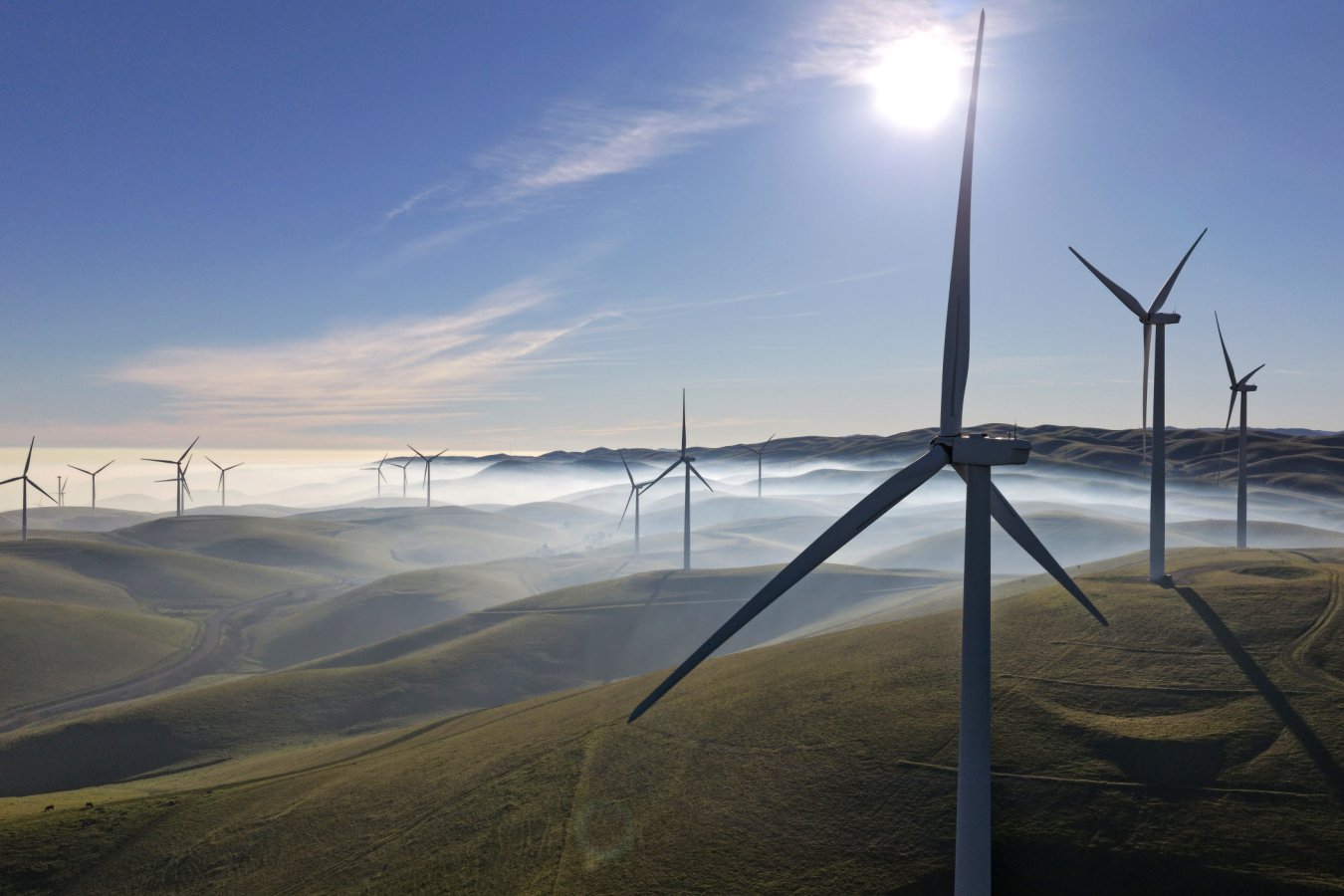
A 400-page permitting reform bill that passed the Senate would speed up construction of renewable energy projects and transmission lines, but would also accelerate approvals for natural gas plants, pipelines, coal mines, and data centres while weakening environmental regulations.
The Bipartisan American Affordability and Jobs Act, or BAAJA, targets delays that have plagued clean energy development. A wind farm in Rawlins, Wyoming took 18 years to receive approvals, while simpler projects now typically wait five years to connect to the grid. Senator Sheldon Whitehouse, one of the bill's authors, calls it the country's "biggest implemented climate bill".
But the bill's effects on emissions remain contested. Think tanks at Rhodium Group projected the bill would reduce US annual emissions by 0 to 4 per cent, depending on future technology and fuel costs, while boosting renewable build-out more than fossil fuel plants. However, modelling by Kevin Kircher at Purdue University found BAAJA would raise US annual emissions by 2 per cent, arguing that lower electricity prices would increase overall demand through the Jevons paradox, potentially leading businesses to consume more power.
"Unless all of that additional new electricity demand is met by clean energy, if even 10 per cent of it is met by fossil fuels, then emissions increase overall," Kircher says. "People are severely underestimating the amount of new fossil fuel combustion that we will also see as a result of BAAJA."
The American Petroleum Institute has promoted the bill, handing out free tacos at Capitol Hill. Former Vice President Al Gore called it a "serious mistake". The bill will now go to the House.