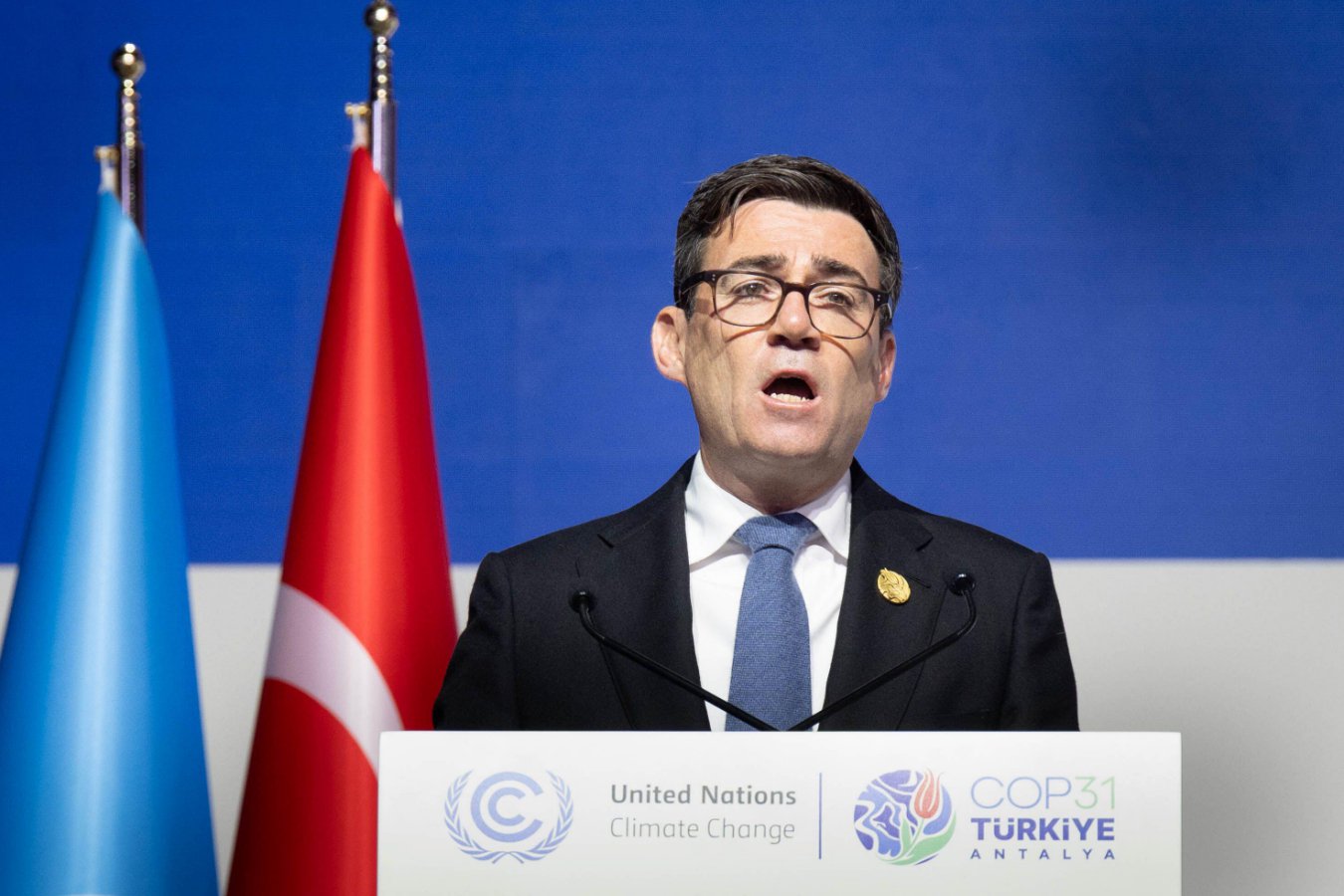
Fossil fuel approvals by major nations are undermining climate commitments at the COP31 summit in Turkey, even as clean energy economics accelerate the transition away from oil and gas.
UK Prime Minister Andy Burnham promised British climate leadership while his government approved the Jackdaw gas field, projected to emit 36 million tonnes of carbon dioxide. Turkey and Australia, the summit's joint hosts, announced new oil and gas projects despite calling for a clean energy revolution. The US, the second largest emitter, boycotted the summit again.
Yet economic forces are driving change faster than policy. Auke Hoekstra at Eindhoven University of Technology notes that clean technologies are "simply superior." Solar panel production has repeatedly exceeded International Energy Agency expectations. Solar now provides 10 times more energy than it did when the Paris Agreement was signed in 2015, making it the fastest-growing electricity source, followed by wind.
Electricity from solar and wind costs less on average than from natural gas or coal. Texas, the top US oil-producing state and a region won by climate denier Donald Trump, has become the top producer of both solar and wind power. In countries like Nigeria and Pakistan, people install cheap Chinese solar panels on roofs, bypassing expensive fossil fuel infrastructure entirely.
Battery storage, now growing faster than renewable generation, addresses the earlier drawback that solar and wind don't generate much evening energy during peak demand.
The Global Carbon Budget announced that fossil fuel emissions are expected to slightly decrease in 2026, a decline partly driven by growth in cheap solar, wind, and electric vehicles offsetting an oil price spike from the Iran war. Climate Action Tracker reports that current policies put the world on track for a 2.7°C warming rise by 2100, but Kingsmill Bond at think tank Ember Energy believes clean tech economics could limit warming to much less if policy supports grid expansion.