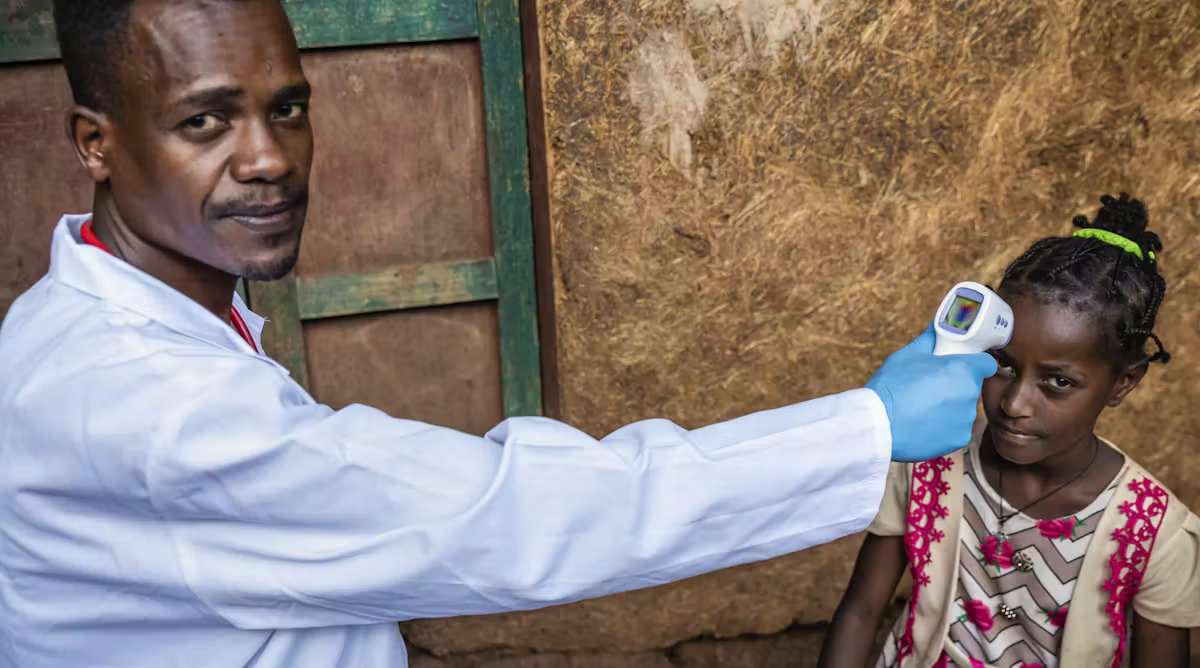
A developing super El Niño is expected to strengthen toward the end of 2026 and persist into early 2027, intensifying heat and drought across parts of Africa and raising risks of heat-related illness, deaths, water shortages and disrupted electricity and food supplies.
Oluwafemi E. Adeyeri, a hydroclimate and health scientist at the Australian National University's ARC Centre of Excellence for the Weather of the 21st Century, led research examining heat stress across Africa. A continent-wide study analyzed heat stress conditions between 1974 and 2023 and found that very strong and extreme heat stress became more frequent, more persistent and more geographically widespread, with the sharpest increases in the Sahel. Across most African countries, the proportion of hours during the three hottest months when people experienced strong or extreme heat stress increased by 2 to 25 percentage points over 50 years.
A separate multi-model study of nine African regions projected that by the end of the century, more than 60% of urban populations in west and central Africa could experience strong or extreme heat stress.
Heat stress results from combined effects of temperature, humidity, wind and sunlight that make it difficult for the body to cool itself. High humidity, direct sunlight and still air raise risks of heat illness. Older people, infants, pregnant women, people with chronic illnesses and outdoor workers face particular vulnerability. Poorly ventilated homes and limited access to electricity, fans or air conditioning can keep people dangerously hot even at night.
Adeyeri recommends that meteorological agencies and health ministries issue joint heat-health warnings, that hospitals and clinics develop heat-response plans with reliable water and backup electricity, and that governments adjust school and outdoor working hours during severe heat forecasts. He also calls for improved recording of heat-related illnesses and deaths through better health surveillance and death registration.