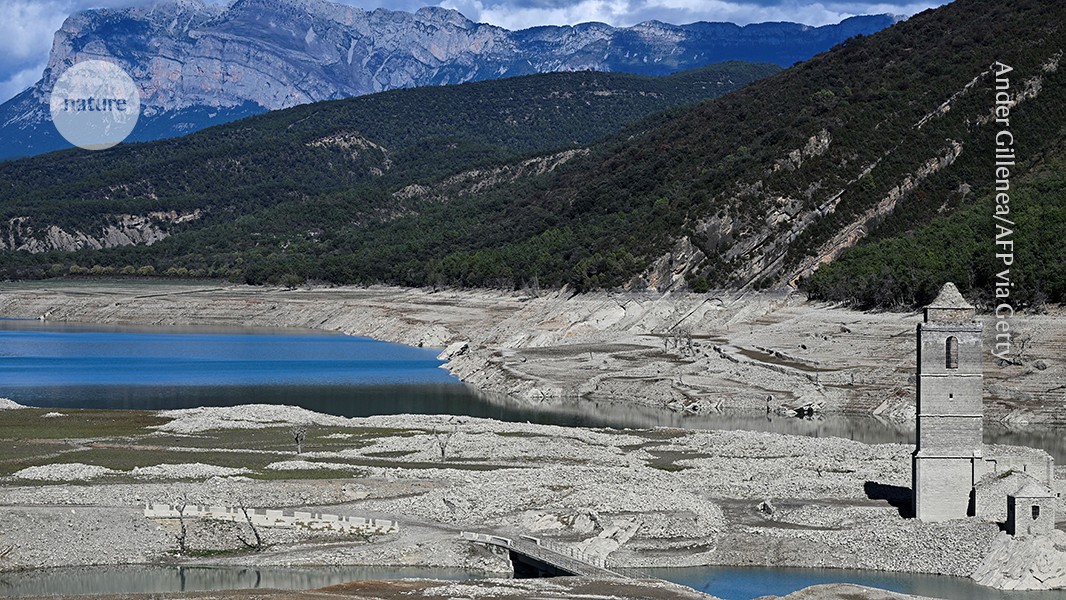
Saroj Kanta Mishra, a professor at the Indian Institute of Technology Delhi who leads the Department of Science and Technology Centre of Excellence for Climate Information, argues that infrastructure planning must incorporate future climate conditions or risk wasting trillions of dollars.
The World Meteorological Organization warned governments earlier this year to prepare for El Niño, prompting adjustments to agricultural practices and water supply security. Mishra contends that climate action should not wait for hazardous events to approach but should form part of wider planning for a warmer future.
Repeated disasters cause immense disruption and economic losses that can reach trillions of dollars. Climate warnings and anticipatory actions reduce impact on people and economies, but their effectiveness faces constraints from limited community resources and infrastructure access.
Vulnerabilities must be addressed when development and infrastructure decisions are made, Mishra writes, so climate risks decrease through better planning rather than reactive responses to individual events. Decisions about reservoir location and capacity, agricultural drainage systems, and city and transport infrastructure design cannot easily change once implemented.
Infrastructure built now will shape societies for decades. Meeting global climate and development objectives by 2030 requires nearly $7 trillion in annual infrastructure investment. Global annual infrastructure spending is projected to increase from $4.4 trillion in 2024 to $6.9 trillion by 2050. This investment will be wasted if projects are designed inadequately for the climate conditions people will face.