Pakistan has experienced a solar power boom driven by household purchases rather than government policy. From 2018 to 2025, solar energy's share of the country's electricity generation rose from 1% to 28%, with approximately seven million households now owning panels, according to Renewables First, a Pakistan-based think tank.
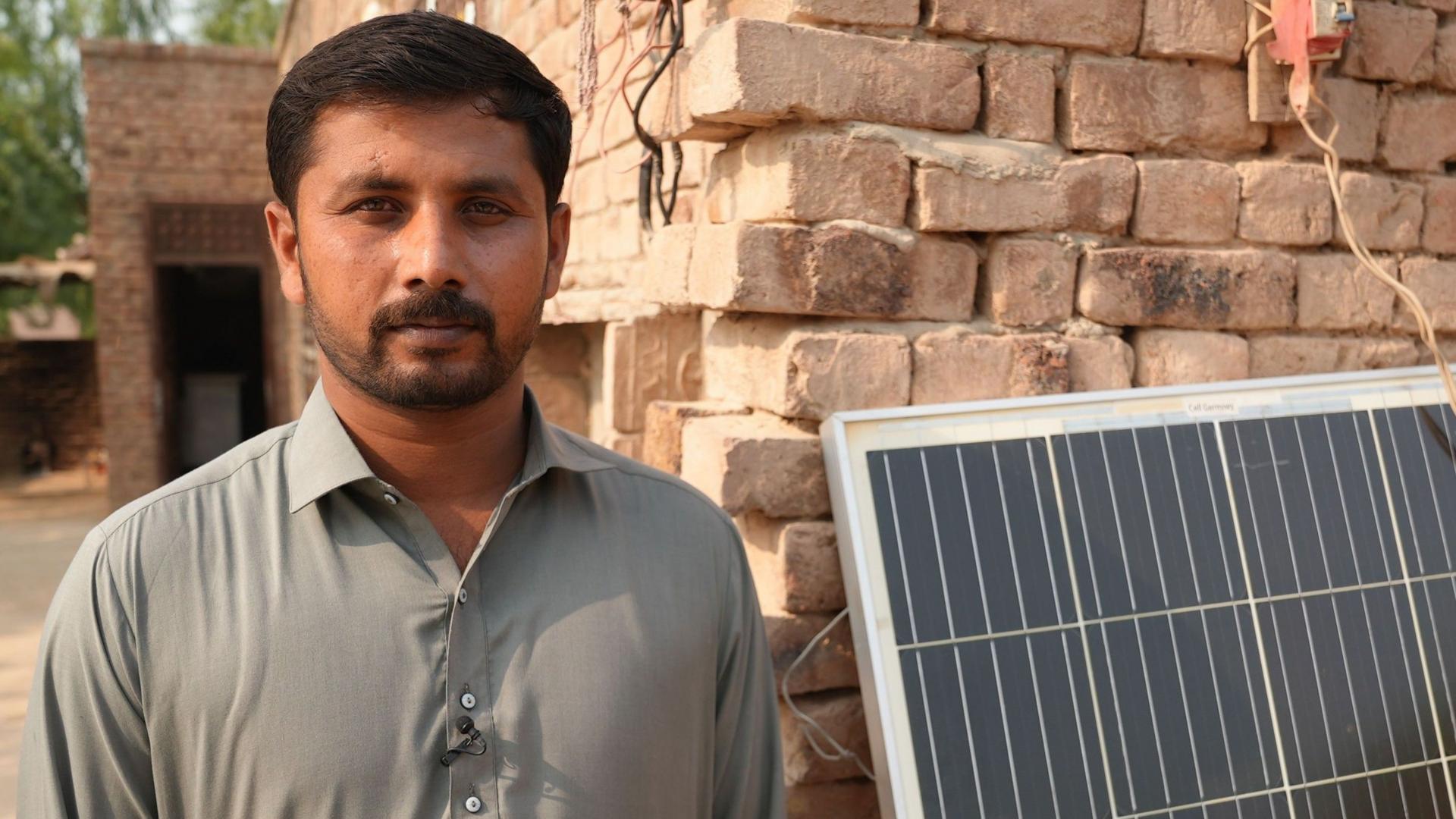
Households installed panels primarily to escape rising electricity costs. Muhammad Hassan Dajana, industry liaison at Renewables First, reports that electricity tariffs have more than doubled in recent years while the cost of Chinese solar panels has decreased by 93%. In rural Punjab, Faizal Shahzad uses a 340W solar panel to power his home during daylight hours, running an air cooler without drawing grid power during the summer.
The rapid shift creates challenges for Pakistan's national grid. When customers reduce grid purchases, fewer people remain to cover maintenance costs, potentially triggering what energy analysts call a utility death spiral. Electricity Minister Awais Ahmad Leghari states that the exodus from the grid has cost remaining consumers more than $500 million per year over the past two years.
Industrial facilities are adopting solar as well. Kohinoor Textiles Mills in Islamabad uses hundreds of large solar panels to power machines during daylight, with mothballed heavy-furnace-oil engines now unused.
The government changed solar policy earlier this year. Previously, households could feed excess electricity into the grid and earn credits. Now the grid purchases solar electricity at lower rates than it charges consumers. Arif Ehsan Malik, president of Faisalabad's chamber of commerce, says this policy shift disadvantages small and medium businesses.
Leghari argues the original policy proved unsustainable, claiming it would have burdened remaining grid customers by 150 to 200 billion rupees annually. He states the government aims for Pakistan to run on up to 90% clean power by the end of 2036, reducing dependence on imported energy from 26% to 4%.