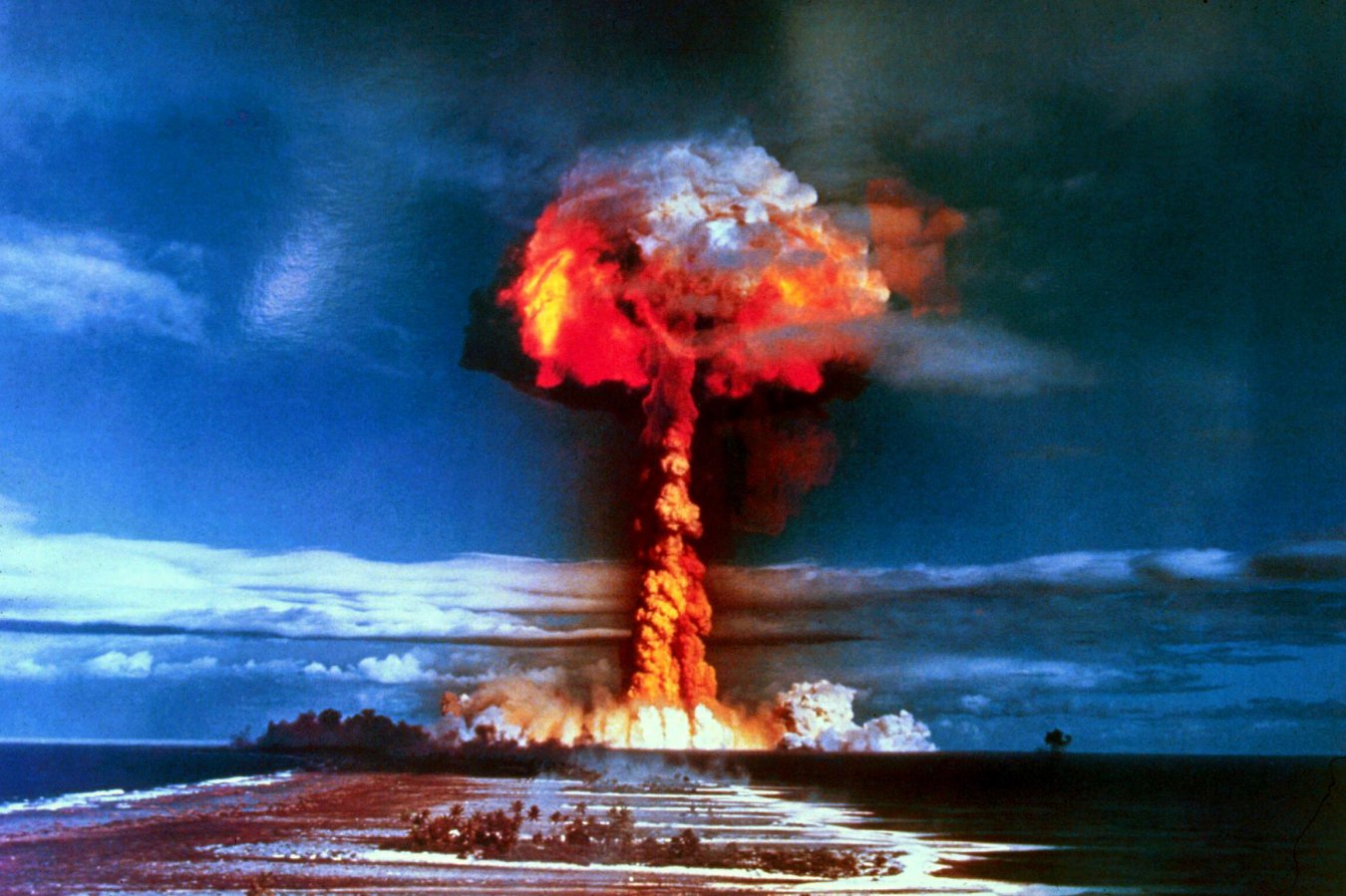
Zachary Petersen at the University of Wisconsin–Madison and colleagues modeled the effects of a 1 megaton nuclear explosion 500 kilometers above the South Atlantic. They found that such a blast would destroy 98 percent of satellites within one week.
The initial X-rays from the explosion cause damage, but the main problem comes from electrons released by radioactive fission. These electrons become trapped in Earth's magnetic field, creating an artificial radiation belt that repeatedly exposes satellites to harmful radiation. Even when the researchers assumed satellites were three times more resistant to radiation, 97 percent still failed within two weeks.
The U.S. detonated a 1.4 megaton nuclear bomb at 400 kilometers altitude in 1962, disrupting satellites. Today, humans have launched around 25,000 objects into space. GPS systems, internet connections, and weather forecasts depend on these satellites.
The researchers warn of additional dangers. An estimated 20 collisions would occur within two years as broken satellites drifted aimlessly. This risks Kessler syndrome, a chain reaction of debris hitting other satellites that could make orbit unusable for decades.
The Outer Space Treaty bans launching nuclear weapons into space, with all major spacefaring nations as signatories. Russia vetoed a 2024 UN vote to reaffirm commitment to the rule. Earlier that year, the U.S. warned that Russia plans to launch a space weapon with possible nuclear capabilities.
Craig Underwood at the University of Surrey said losing so many satellites would be catastrophic because society depends heavily on space technology. Chantal Cappelletti at the University of Nottingham stated that while individual satellites could be replaced relatively quickly, recovery would take years due to elevated radiation levels and increased debris limiting new satellites' operational lifetime and effectiveness.