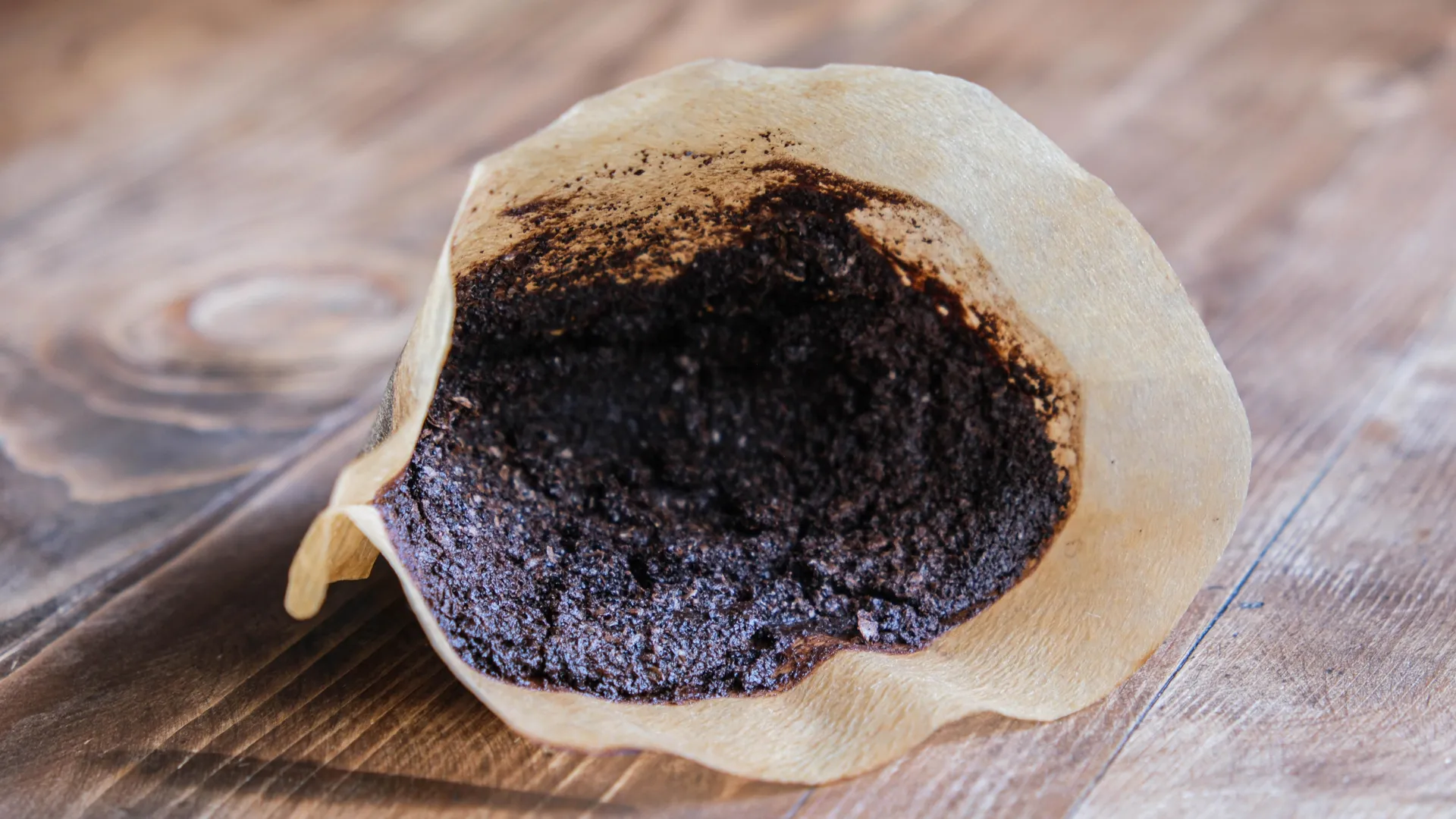
Researchers at Universitat Rovira i Virgili have developed an efficient method to extract oil from spent coffee grounds, according to findings published in Biomass and Bioenergy. The team, led by Jorge F. Romero, Alberto Tampieri, Daniel Montané, Magdalena Constantí, and Francesc Medina from the Department of Chemical Engineering, tested three variables: extraction temperature, processing duration, and solvent quantity.
The optimal conditions proved to be 45 degrees Celsius for 60 minutes using 35 milliliters of n-hexane per gram of dry residue. This approach recovered approximately 90% as much oil as Soxhlet, the standard laboratory extraction method, while producing considerably cleaner oil. The optimized extraction yielded just 0.3% impurities compared with 3.9% using Soxhlet.
Global coffee bean production reaches approximately 10 million metric tons annually. Spent coffee grounds contain roughly 15% lipids that can serve as ingredients for producing biodiesel. The oil's fatty acid composition, dominated by linoleic and palmitic acids, supports its potential use in biodiesel production.
The researchers also ensured that oil extraction would not destroy the remaining coffee material. The leftover grounds contain cellulose, hemicellulose, and lignin, substances that can be processed into bioethanol, lactic acid, polyhydroxyalkanoates, phenolic compounds, and ingredients for sustainable aviation fuels. Removing the oil may actually make this remaining material easier to process by eliminating a barrier that prevents solvents and catalysts from reaching other useful components.
The team investigated ultrasound and microwave extraction methods but found that conventional batch processing using n-hexane under moderate conditions offered the most balanced option when considering oil purity, extraction efficiency, energy requirements, and industrial scalability. Montané stated the goal is "to transform a typically underused waste product into various energy vectors and bio-based chemical products, and to reduce the environmental impact associated with its accumulation."