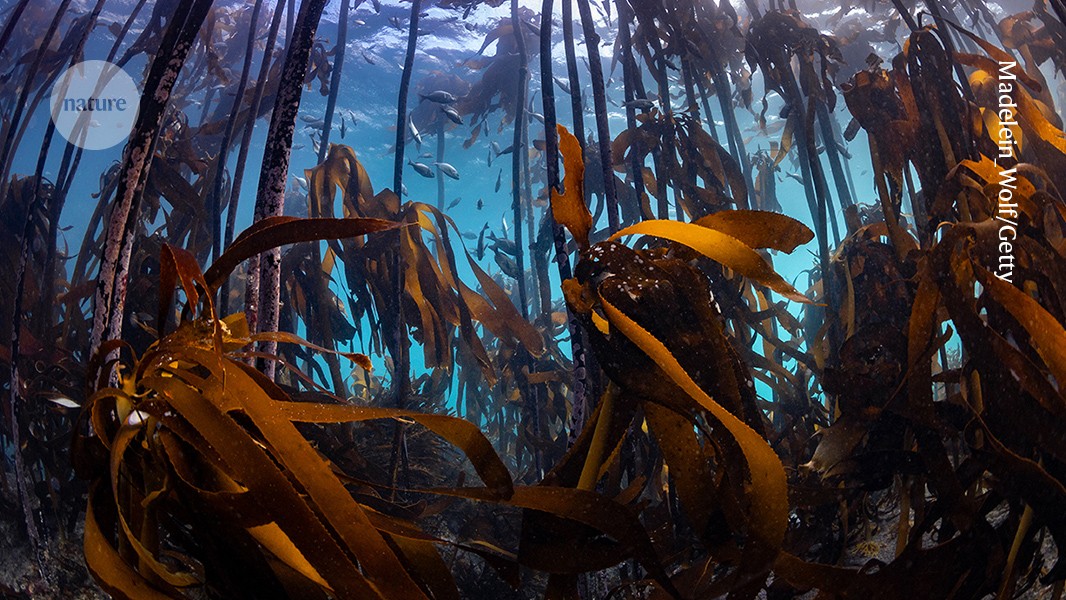
Kelp species can reproduce asexually when potential mates are scarce, according to research published on 12 November in PLoS Biology. Researchers led by Daniel Liesner, a marine biologist at the GEOMAR Helmholtz Centre for Ocean Research Kiel in Germany, studied Laminaria pallida, a kelp species found along the Atlantic coasts of South Africa and Namibia.
In laboratory conditions, both male and female L. pallida grown in separate dishes produced offspring without fertilization. In wild populations, 523 individual kelp showed no clear evidence of asexual reproduction. The ability of male reproductive cells to develop without fertilization is notable, according to Olivier De Clerck, a seaweed biologist at Ghent University in Belgium, because sperm cells are small and have few resources to support development.
During asexual reproduction, gene expression in males changed, making them more similar to females. When male and female kelp were grown together in the laboratory, they favoured sexual reproduction instead, suggesting they can detect nearby partners through chemical signals.
"Our findings highlight that kelp are even more flexible in their reproduction than previously appreciated," Liesner said.