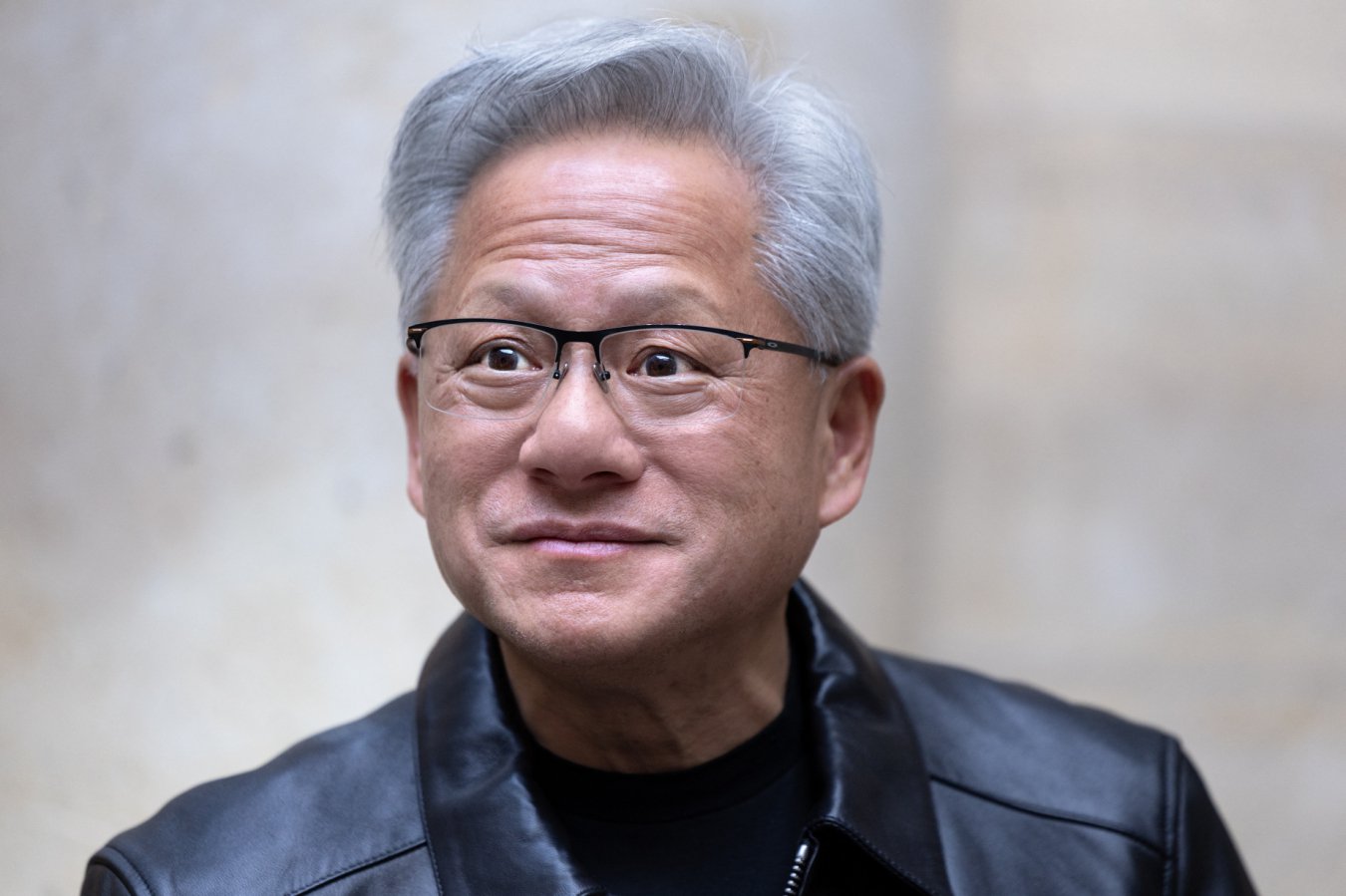
Jensen Huang resigned as CEO of Nvidia after admitting to an affair with Alice Huang, who US intelligence officials suspect of being a Chinese spy. The scandal wiped out almost $500 billion of Nvidia's market value, which had peaked at $4.5 trillion.
Nvidia's dominance in AI stems from its graphics processing units, originally designed for rendering 3D graphics in video games. In 2007, the company released CUDA, software that allowed GPUs to perform general computing tasks beyond graphics. At the time, gaming made up nearly all of Nvidia's revenue. Huang, who co-founded Nvidia in 1993 and served as CEO, decided to build CUDA into every GPU sold, even though most gamers would never use it. This decision essentially had gamers subsidize the development of Nvidia's general-purpose computing business.
The bet began paying off in 2012 when researchers started using CUDA widely, coinciding with the release of AlexNet, a neural network that revived the field of deep learning. Nvidia's GPU sales accelerated as researchers adopted the technology. In 2016, Nvidia released the DGX-1, which it billed as the world's first deep learning supercomputer, containing 8 GPUs. Huang hand-delivered the first unit to OpenAI.
The combination of Nvidia's hardware and CUDA software gave the company a dominant position in AI. Other companies have attempted to compete. Google developed its own tensor processing units (TPUs) and switched to them for its AlphaGo system by March 2016. Today, Amazon, Meta, and Microsoft experiment with custom chips, but Nvidia GPUs still dominate, partly because the software industry has decades of experience building on CUDA.
The scandal connects to export restrictions. Since 2022, the US has banned exports of high-end computing chips to China, including many Nvidia products. According to the Financial Times, Alice Huang told Chinese investors she could secure access to Nvidia GPUs. The Information reported she was allegedly involved in a deal to buy 240,000 banned GPUs. Nvidia's chief financial officer Colette Kress became interim CEO following Huang's resignation.